
Culture & Traditions
Cultures and Traditions takes a look at how people interact with each other. This might be through sub-cultures, relationships, fads or religion and spirituality.

Inside LA's Forest Lawn, Where the Biggest Celebrities Rest in Peace

Is Human Composting the Greenest Burial Option?

What's With Germany's Strict Burial Regulations?
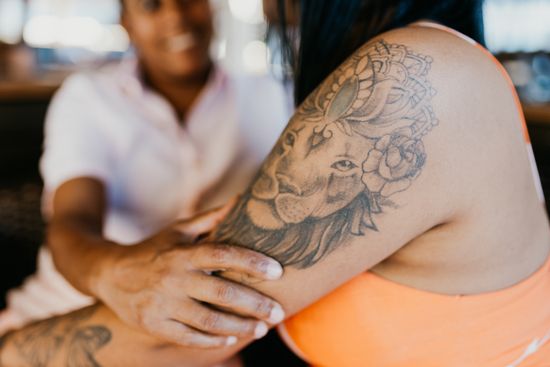
Unleashing Majestic Power: Exploring the Symbolism of Lion Tattoos
Unveiling the Profound Symbolism of Spider Tattoos
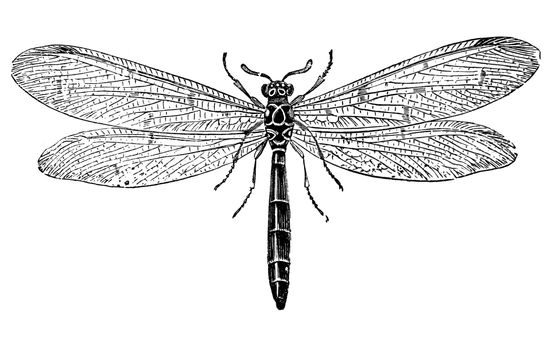
Unraveling the Symbolic Tapestry of Dragonfly Tattoos: Meanings, Designs, and Transformative Power

The 10 Weirdest Foods in the World Have Us Struggling to Finish Lunch
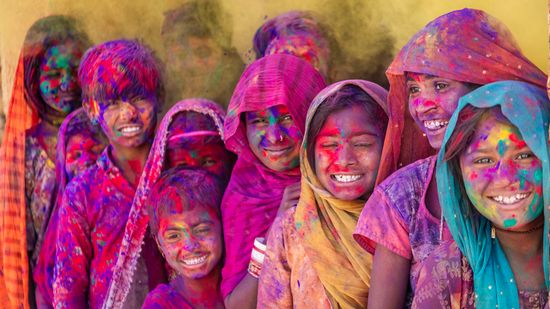
13 Indian Festivals That Celebrate Life, Love and Renewal

10 Japanese Festivals With Distinctly Different Vibes

12 Russian-Speaking Countries Where Hundreds of Millions Use Russian
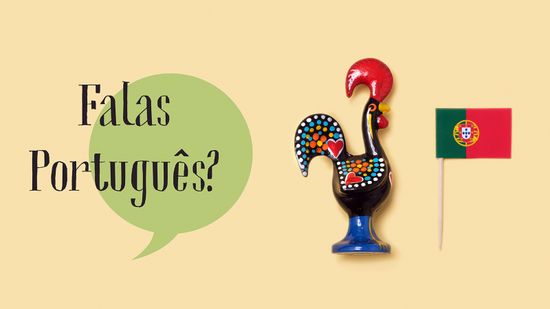
10 Portuguese Speaking Countries and Regions Spanning 4 Continents

11 Arabic-Speaking Countries Spanning Massive Continents

Why Do Kids Say '6 7'? What Does '6 7' Actually Mean?
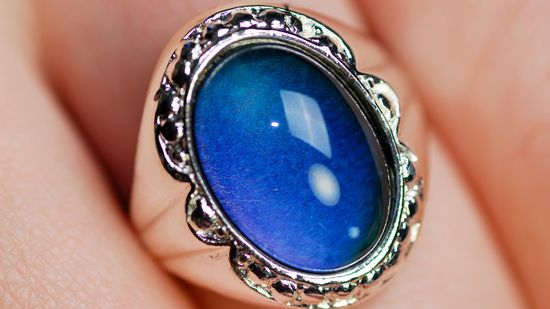
What's the Science Behind Mood Rings?
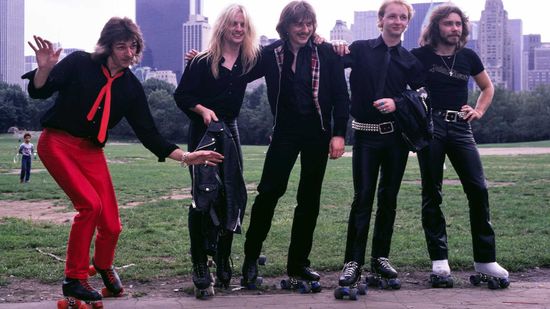
10 Things We Love to Hate About the '70s and '80s

5 Family Traditions for New Babies

5 Family Anniversary Traditions
5 Family Traditions for Daughters

13 Types of Dragons Humans Have Dreamt Up Over Millennia

Foo Dog: A Mythical Mix of Lion and Chow Chow

Are Black Magic Spells Powerful? The Truth Behind Their Strength

20 Old Money Last Names That Scream Aristocracy

20 Most Common Surnames in the U.S. (and What They Mean)
What Are the Most and Least Popular Birthdays in the U.S.?

90s Slang You Don't See Anywhere but TikTok Anymore

7 Gen Z Characteristics to Help You Understand Zoomers

10 Millennial Characteristics to Decode a Generation

How Many Sentences Are in a Paragraph, Really?

All About Adjectives: Examples, Types and Uses

Simile Examples in Literature and Everyday Language

The Origins of Valentine's Day: A Surprisingly Dark Roman Tradition

Russian Christmas Traditions: Jan. 7, Nativity Fast (Not Feast!) and More

Origins of Santa Claus: A Turkish Saint and American Poetry

Mexico's Flag Represents Ancient History and Everlasting Hope

5 Black-Red-Yellow Flag Designs Around the World

Which Blue and White Flag Is That? 9 Possibilities

How to Tell If She’s Cheating: Common Clues and Behaviors

Signs She’s Not in Love with You – She’s Just Playing Along

7 Signs He Likes You More Than Just a Friend
10 Prayers for Peace in Daily Life and Around the World
12 Prayers for Protection in Times of Uncertainty
10 Prayers for Strength to Seek Support in Troubled Times

5 Most Bike-friendly Cities in the U.S.

The Zizians: A Strange and Dangerous Techno-Cult

How Synanon Went From Rehab Philosophy to Violent Cult

Quiz: Finish That Jingle!
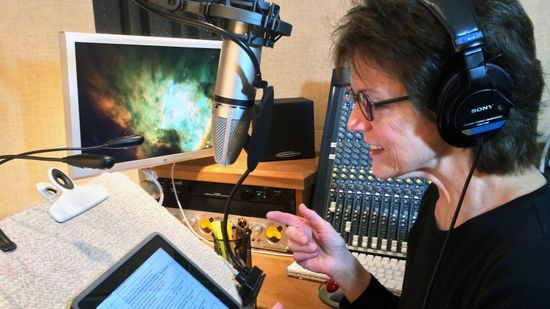
How One Woman Unexpectedly Became the Voice of Siri
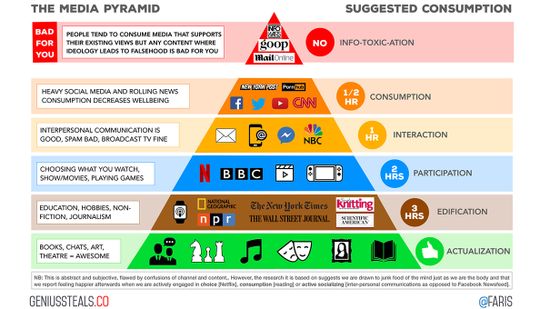
There's a Healthier Way to Consume Your Media
Learn More / Page 30
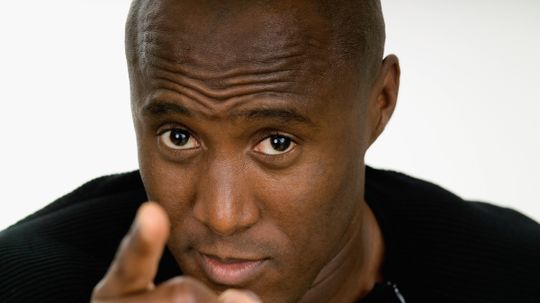
Pointing is such a simple and effective gesture, yet it's a source of controversy in many cultures. But exactly why is it rude for someone to point?

Ah, the modern office cubicle. It's the ultimate illusion of privacy, because we all know that it won't protect you from your co-workers' loud conversations or food smells, not to mention their use of the speakerphone.

Attended a really nice dinner lately? You probably couldn't help but notice all of the fancy silverware. Believe it or not, there's a reason for all of it.
Advertisement

Adherence to etiquette and other social rules seems to be on the decline, but one rule seems to live on: males shall not wear hats inside.

In every nation and culture, people stare. And it's universally considered rude behavior, but who made the rule that staring at someone was uncool?
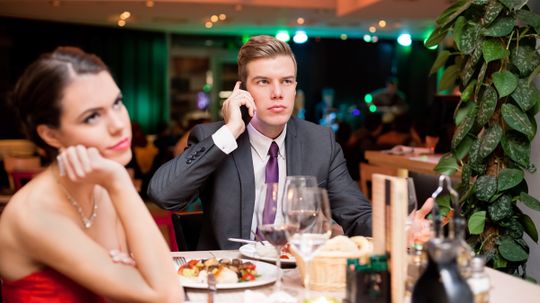
It's dinner time! And everyone is enjoying the meal, excepting those folks texting away on their phones. Are they being rude or is this an acceptable part of modern life?

Your phone is ringing, but you just don't want to talk to the caller. So you let the call go to voicemail and now you feel guilty. Is it ever OK to screen your calls?
Advertisement

We are taught not to talk about our salary with anyone, but there are actually some very good reasons why you sometimes should.
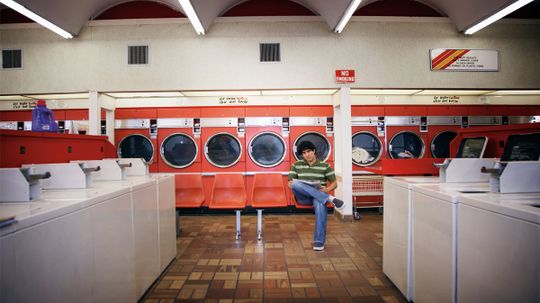
You toss your clothes and detergent in, let the cycle run and then pop that laundry in the dryer. Easy peasy. But there are some nuances to laundromat manners you may not be privy to.
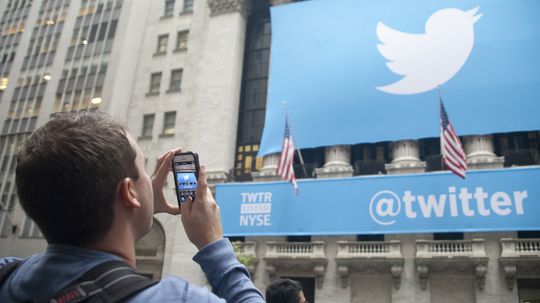
Using the @ sign on Twitter can be helpful, but many people unwittingly -- and sometimes knowingly -- misuse it when dogging someone out.

You've heard of tattoos and tongue rings, maybe even split tongues. Transdermals, however, take body modification to a whole new level.
By Julia Layton
Advertisement

You close your eyes over your birthday cake, make a wish and take a deep breath. Everything is riding on this solitary exhale. Why do we think it's bad luck not to blow out all the birthday candles in one breath?
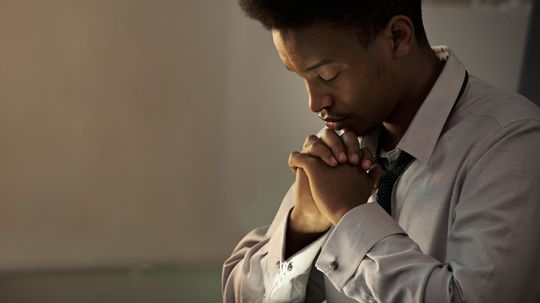
There are many rituals that surround the act of prayer, one of the most prevalent of which is closing one's eyes. Why do so many people close their eyes to pray?
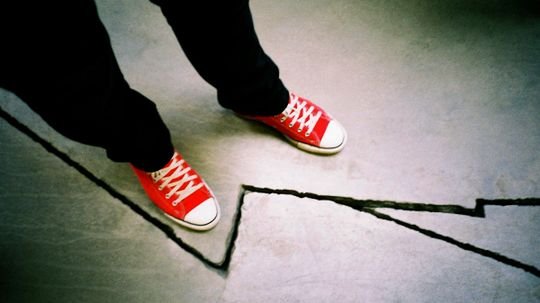
Generations of pedestrians have avoided stepping on cracks to prevent their poor mothers' backs from being broken. Is there a reason for this practice, or is it just another baseless superstition?
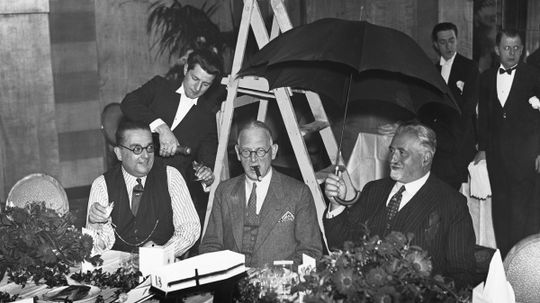
Everyone knows you're not supposed to open an umbrella indoors. Explore the history behind this long-held superstition.
Advertisement

That uncomfortable, frightened, jittery feeling known as "the willies" is probably a familiar one. How did "the willies" get its name?
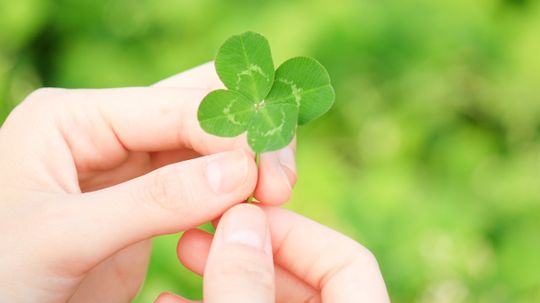
About one out of every 10,000 clovers in a patch has four leaves. How do you increase your odds of finding a lucky one in a sea of three-leaf clovers?

You've probably tossed dozens of coins into various fountains over the years. What happens to all that money?

Gifting knives has long been considered bad luck. Learn about the superstitions behind the knife gift.
Advertisement

Emily Post might've been born into high society, but it took years of ups and downs before she would emerge as America's preeminent - and surprisingly open-minded - etiquette expert.
By Jane McGrath

The WWE Experience draws many every year. Learn more about the WWE Experience in this video from HowStuffWorks.com.
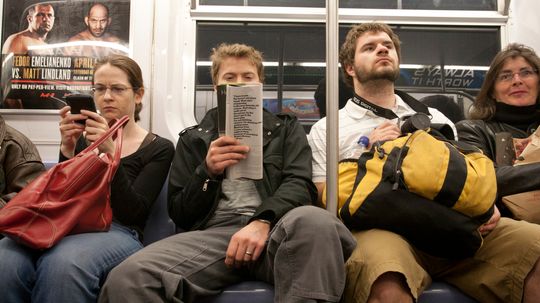
The train seems to bring out the wackadoodle and boorishness in commuters in ways that are still uncommon on planes. Which 10 things must you never do when riding the rails?
Who's the worst in the restroom? The person who drips on the seat, talks on the phone or hogs the mirror? We put all three - and some others - on our list of annoyances.
By Chris Opfer
Advertisement

For the rule-loving (and germaphobic) people among us, IKEA can be a nightmare: Huge crowds, long lines and loud kids can make things seem chaotic. Help bring order to the madness by following our etiquette outline.
By Jeff Harder

Emergency rooms on TV are fraught with drama and tension. While nonfictional ERs have their share of stressful moments, a lot of the work they do is misrepresented when it's transferred to the entertainment sphere.