
Generation Gaps
Generation differences have existed since the first parents had their first children -- but what sets modern generations apart from each other? Are we really that different?

Inside LA's Forest Lawn, Where the Biggest Celebrities Rest in Peace

Is Human Composting the Greenest Burial Option?

What's With Germany's Strict Burial Regulations?
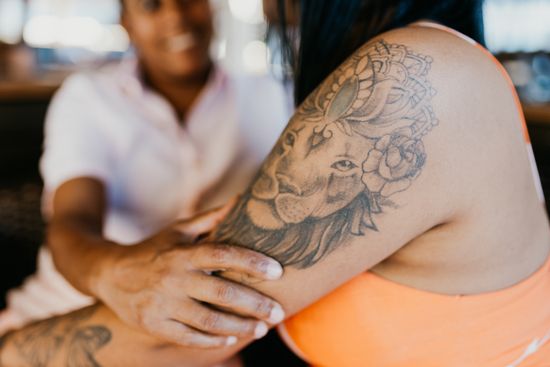
Unleashing Majestic Power: Exploring the Symbolism of Lion Tattoos
Unveiling the Profound Symbolism of Spider Tattoos
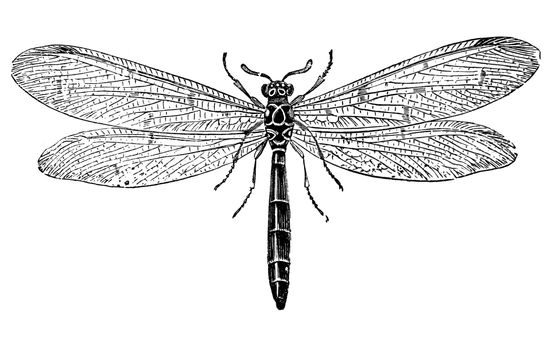
Unraveling the Symbolic Tapestry of Dragonfly Tattoos: Meanings, Designs, and Transformative Power
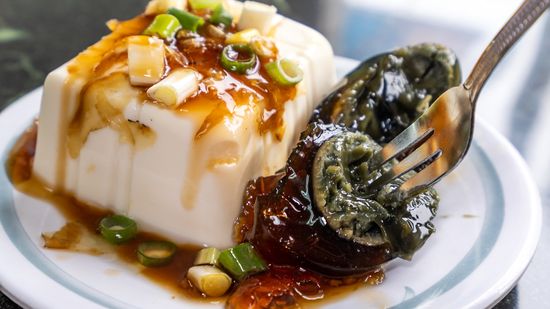
The 10 Weirdest Foods in the World Have Us Struggling to Finish Lunch
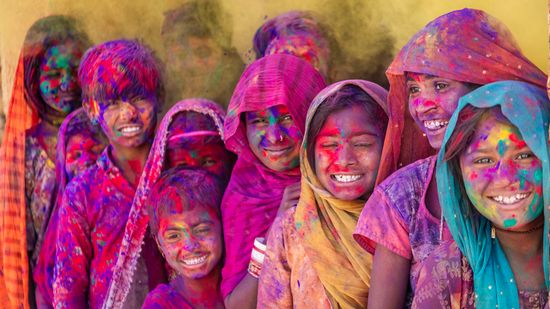
13 Indian Festivals That Celebrate Life, Love and Renewal
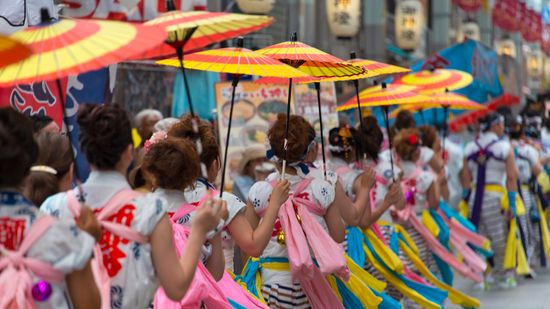
10 Japanese Festivals With Distinctly Different Vibes
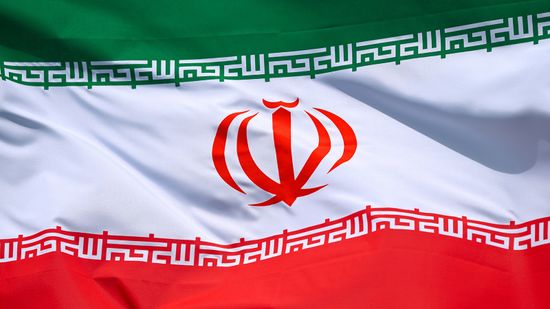
What Language Does Iran Speak? About Farsi, Persian, and Regional Dialects

12 Russian-Speaking Countries Where Hundreds of Millions Use Russian
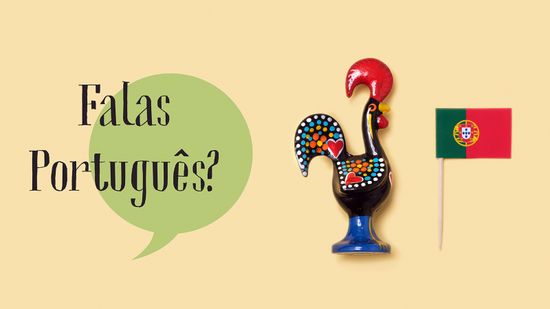
10 Portuguese Speaking Countries and Regions Spanning 4 Continents

Why Do Kids Say '6 7'? What Does '6 7' Actually Mean?
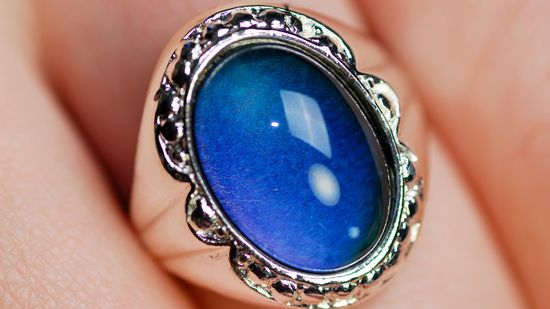
What's the Science Behind Mood Rings?
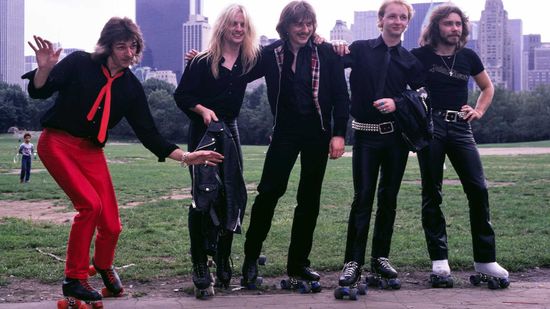
10 Things We Love to Hate About the '70s and '80s

5 Family Traditions for New Babies
5 Family Anniversary Traditions

5 Family Traditions for Daughters
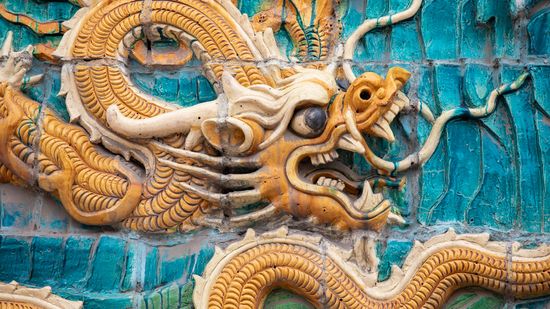
13 Types of Dragons Humans Have Dreamt Up Over Millennia

Foo Dog: A Mythical Mix of Lion and Chow Chow

Are Black Magic Spells Powerful? The Truth Behind Their Strength

20 Old Money Last Names That Scream Aristocracy

20 Most Common Surnames in the U.S. (and What They Mean)
What Are the Most and Least Popular Birthdays in the U.S.?

How Many Sentences Are in a Paragraph, Really?

All About Adjectives: Examples, Types and Uses

Simile Examples in Literature and Everyday Language
Origins of Easter, Chocolate eggs, and the Giant Bunny

The Origins of Valentine's Day: A Surprisingly Dark Roman Tradition

Russian Christmas Traditions: Jan. 7, Nativity Fast (Not Feast!) and More
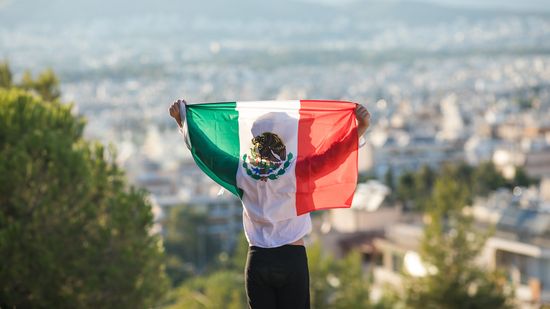
Mexico's Flag Represents Ancient History and Everlasting Hope
5 Black-Red-Yellow Flag Designs Around the World
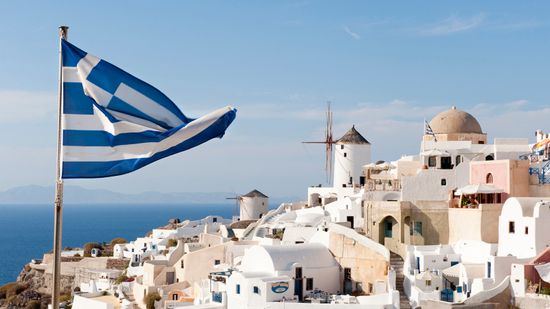
Which Blue and White Flag Is That? 9 Possibilities

How to Tell If She’s Cheating: Common Clues and Behaviors

Signs She’s Not in Love with You – She’s Just Playing Along

7 Signs He Likes You More Than Just a Friend

10 Prayers for Peace in Daily Life and Around the World
12 Prayers for Protection in Times of Uncertainty
10 Prayers for Strength to Seek Support in Troubled Times

5 Most Bike-friendly Cities in the U.S.

The Zizians: A Strange and Dangerous Techno-Cult

How Synanon Went From Rehab Philosophy to Violent Cult
Quiz: Finish That Jingle!
How One Woman Unexpectedly Became the Voice of Siri
There's a Healthier Way to Consume Your Media
Learn More

The 1990s gave us flannel shirts, bucket hats and a tidal wave of new lingo. If you weren’t talking like a character from "Clueless" or quoting "Fresh Prince," were you even there?

Gen Z characteristics are already reshaping how we think about work, communication, and identity in our everyday lives.

Millennial characteristics are the product of an era shaped by rapid technological change, economic turbulence, and evolving social values.
Advertisement

Language evolves, and Gen Z — born between the 1997 and 2012 — has introduced an entire dictionary of expressive, clever, and sometimes confusing slang.
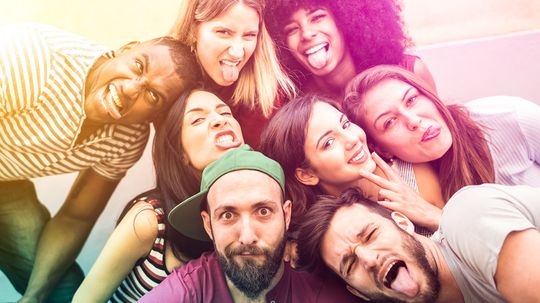
When it comes to shaping modern culture, few age groups get more attention than Millennials and Gen Z.
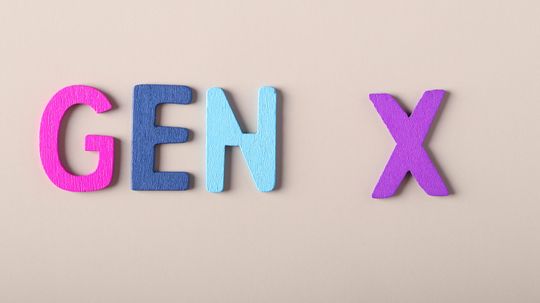
Gen X — born roughly between 1965 and 1980 — came of age surrounded by cassette tapes, arcades, and MTV. This generation created a language all its own.
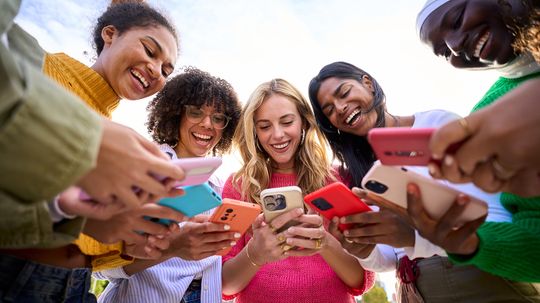
Here we have two generations born into the digital world, yet shaped by different global events and technologies.
Advertisement

Every generation has its own way of talking, and Millennials — those born between 1981 and 1996 — have added plenty to the pop culture lexicon.

From sock hops and bell bottoms to low-rise jeans and TikTok dance challenges, each generation has many characteristics and trends that set it apart from the next.
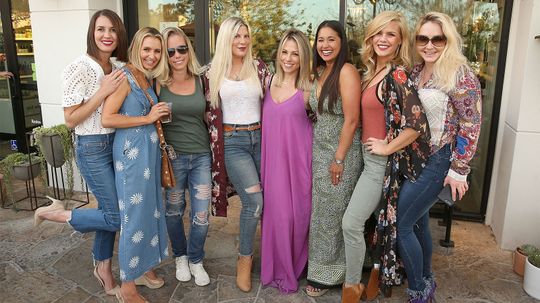
The millennial generation is steadily increasing in numbers. This group often gets a bad rap from older people, but what's the truth about millennials?
By Alia Hoyt & Jane McGrath

Despite the overall slump in greeting card sales, millennials are surprisingly drawn to cards and their low-tech charms.
By Alia Hoyt
Advertisement

Never mind the generation gap: Here is what's really going on in the workplace.
By Dave Roos
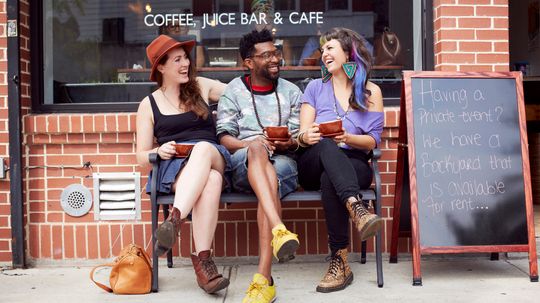
Not all millennials see themselves as special snowflakes. In fact, many of the qualities people think are inherent in Generation Y actually aren't. Which misconceptions about millennials are really just slights against youth?

If you were born sometime between the mid-60s and the beginning of the 80s, you're considered part of Generation X, a loose demographic that came after the postwar Baby Boomers and before the so-called Millennials. What makes Gen-Xers tick?

Members of Generation Y are a mosaic of traits that often seem incompatible: They're egotistical and brash, yet eager to learn and contribute; they want to make lots of money, and they support nonprofit causes. Here, learn how Generation Y works.
Advertisement

Ernest Hemingway used the term as a shorthand description for his generation. What did he mean by it?
By Jill Jaracz
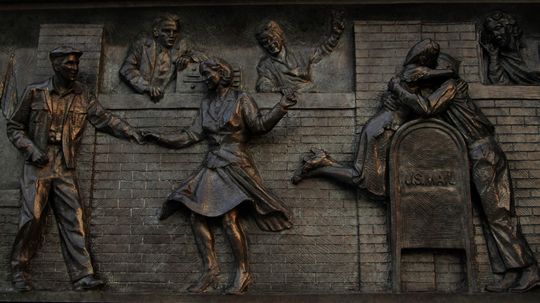
Tom Brokaw dubbed this generation "the greatest generation any society has produced," marked by values like "personal responsibility, duty, honor and faith." What else makes this group of Americans so remarkable?

We have a tendency to group generations into tidy little groups based on age and shared cultural traits, but Generation Me is harder to define than most -- perhaps because it's hard to put people so determined to be individuals in boxes.
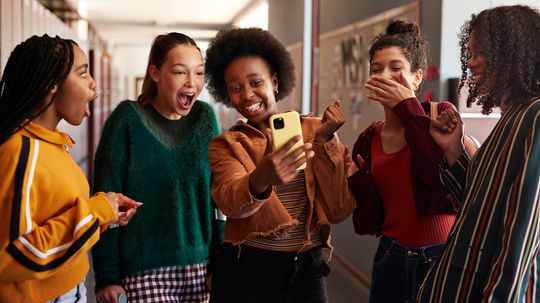
They're Generation Z, the newest kids on the demographic block. Technological wizards who have never known life without Internet access, they're the future leaders of our world. What else sets them apart from previous generations, and what challenges do they face?
Advertisement

Baby boomers, boomers, Generation "Me" -- whatever you call them, they're members of the most famous and talked-about generation in history. What are the defining characteristics of this aging generation, and how will their retirement impact the rest of us? Find out in How the Baby Boom Generation Works.

Generation gaps are usually harmless; it's fine if you don't really understand the perspective of someone significantly younger or older than you. However, it can really do some damage in the workplace.
By Dave Roos