
Culture & Traditions
Cultures and Traditions takes a look at how people interact with each other. This might be through sub-cultures, relationships, fads or religion and spirituality.
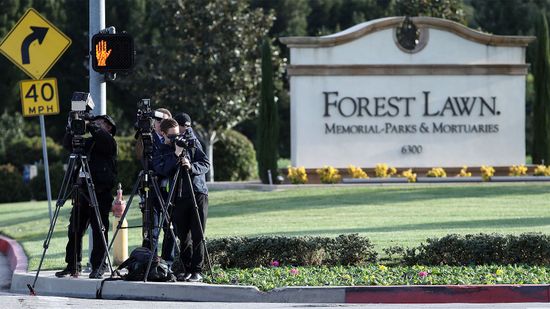
Inside LA's Forest Lawn, Where the Biggest Celebrities Rest in Peace

Is Human Composting the Greenest Burial Option?
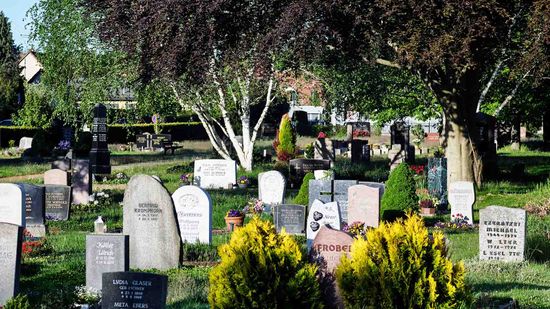
What's With Germany's Strict Burial Regulations?

Unleashing Majestic Power: Exploring the Symbolism of Lion Tattoos
Unveiling the Profound Symbolism of Spider Tattoos
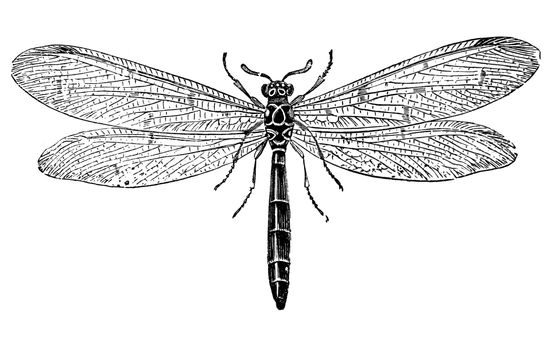
Unraveling the Symbolic Tapestry of Dragonfly Tattoos: Meanings, Designs, and Transformative Power

The 10 Weirdest Foods in the World Have Us Struggling to Finish Lunch
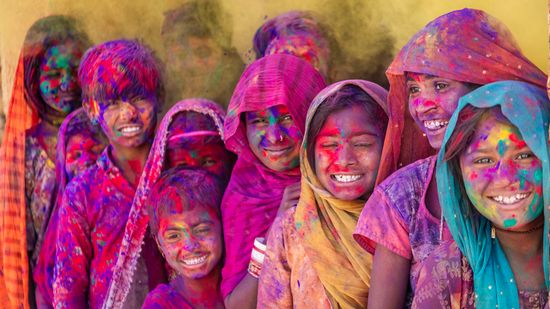
13 Indian Festivals That Celebrate Life, Love and Renewal
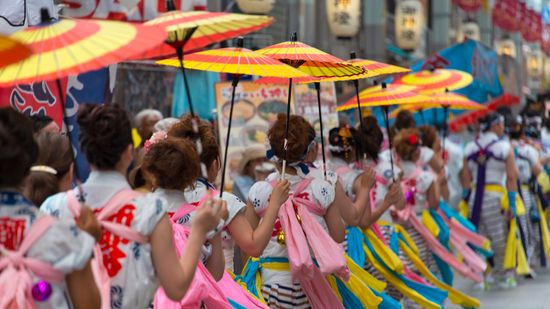
10 Japanese Festivals With Distinctly Different Vibes
12 Russian-Speaking Countries Where Hundreds of Millions Use Russian
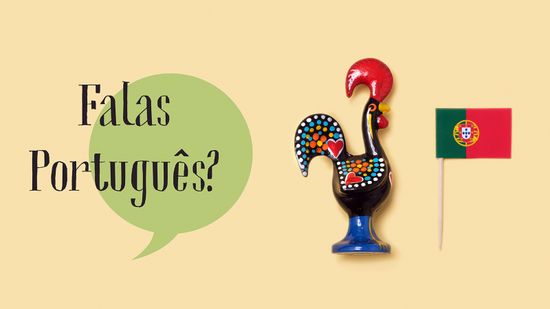
10 Portuguese Speaking Countries and Regions Spanning 4 Continents
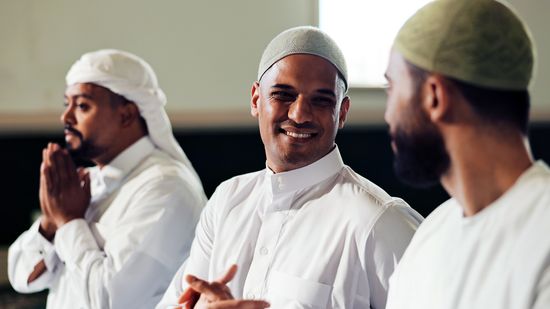
11 Arabic-Speaking Countries Spanning Massive Continents

Why Do Kids Say '6 7'? What Does '6 7' Actually Mean?

What's the Science Behind Mood Rings?
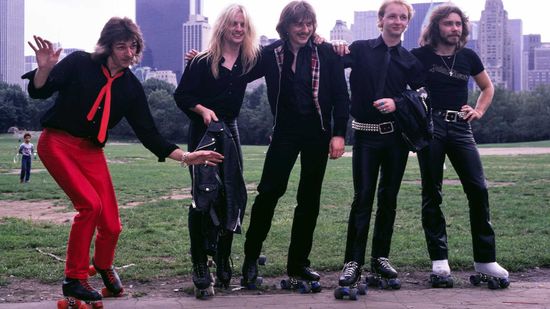
10 Things We Love to Hate About the '70s and '80s

5 Family Traditions for New Babies
5 Family Anniversary Traditions

5 Family Traditions for Daughters
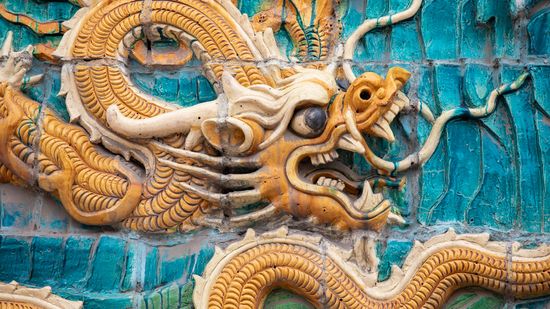
13 Types of Dragons Humans Have Dreamt Up Over Millennia
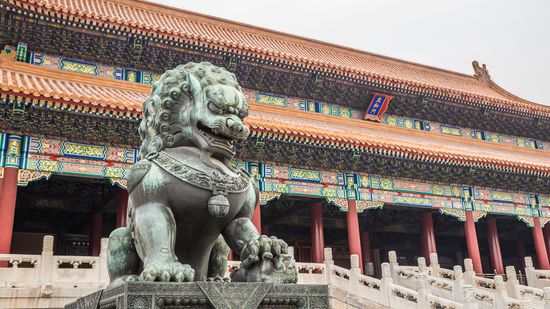
Foo Dog: A Mythical Mix of Lion and Chow Chow

Are Black Magic Spells Powerful? The Truth Behind Their Strength

20 Old Money Last Names That Scream Aristocracy

20 Most Common Surnames in the U.S. (and What They Mean)

What Are the Most and Least Popular Birthdays in the U.S.?

90s Slang You Don't See Anywhere but TikTok Anymore

7 Gen Z Characteristics to Help You Understand Zoomers

10 Millennial Characteristics to Decode a Generation

How Many Sentences Are in a Paragraph, Really?

All About Adjectives: Examples, Types and Uses

Simile Examples in Literature and Everyday Language

The Origins of Valentine's Day: A Surprisingly Dark Roman Tradition
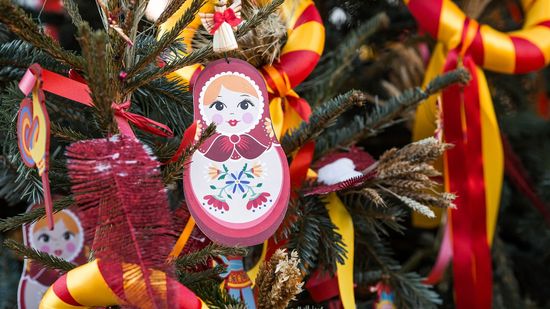
Russian Christmas Traditions: Jan. 7, Nativity Fast (Not Feast!) and More

Origins of Santa Claus: A Turkish Saint and American Poetry
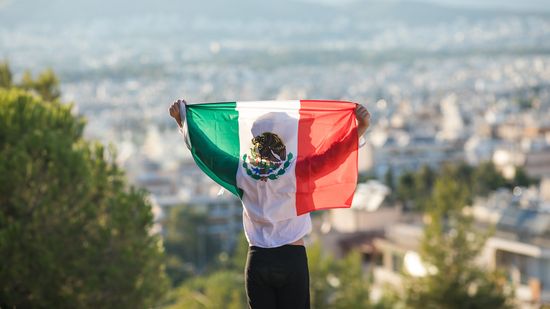
Mexico's Flag Represents Ancient History and Everlasting Hope
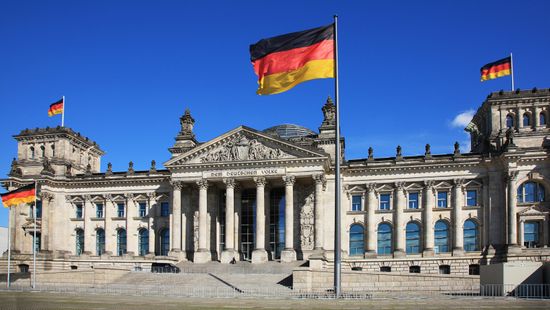
5 Black-Red-Yellow Flag Designs Around the World
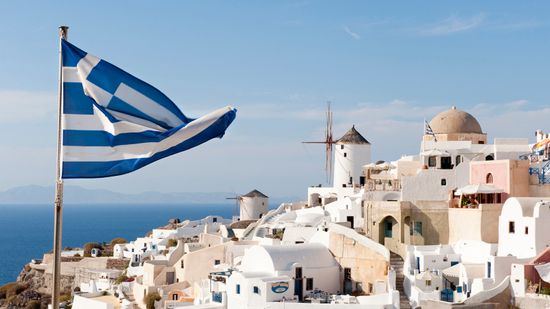
Which Blue and White Flag Is That? 9 Possibilities

How to Tell If She’s Cheating: Common Clues and Behaviors

Signs She’s Not in Love with You – She’s Just Playing Along

7 Signs He Likes You More Than Just a Friend
10 Prayers for Peace in Daily Life and Around the World

12 Prayers for Protection in Times of Uncertainty
10 Prayers for Strength to Seek Support in Troubled Times

5 Most Bike-friendly Cities in the U.S.

The Zizians: A Strange and Dangerous Techno-Cult

How Synanon Went From Rehab Philosophy to Violent Cult
Quiz: Finish That Jingle!

How One Woman Unexpectedly Became the Voice of Siri
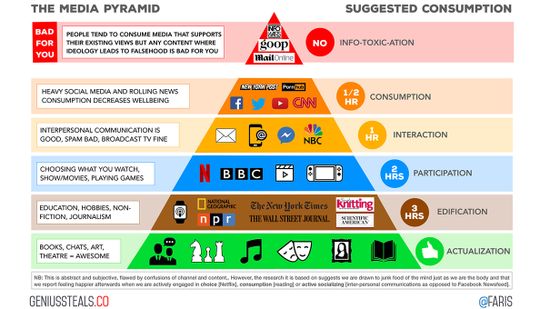
There's a Healthier Way to Consume Your Media
Learn More / Page 7
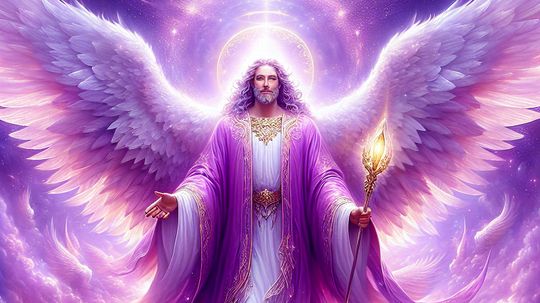
In many New Age spiritual practices, it's believed that angelic beings — such as the archangel Zadkiel — can be called upon to help guide and empower the passionate seeker. Here, we'll take a look at this celestial figure, and how you might draw upon his angelic wisdom and power to improve your life.
By Zach Taras
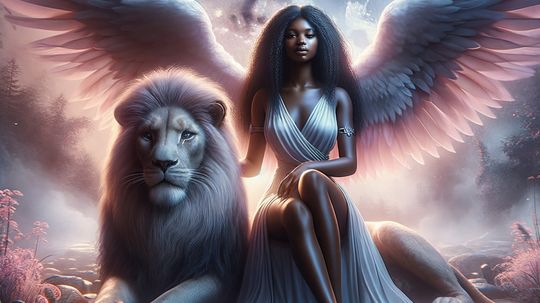
Archangel Ariel, whose name means "Lion of God" or "Lioness of God," tends to the natural world and the physical universe. Sometimes depicted as a male and sometimes as female (we use she/her pronouns in this article), Ariel's role extends to overseeing the elements, wild animals and the environment.
By Mack Hayden
While the popular understanding of most major, monotheistic religions tends to emphasize God, certain prophets and the written teachings of the spiritual tradition, there is a whole world of lesser-known entities who can be deeply significant.
By Zach Taras
Advertisement
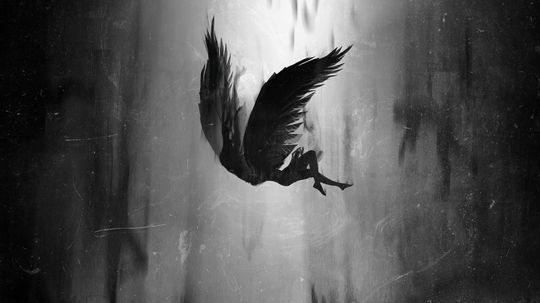
Lucifer, whose name means "light bearer," is one of the most complex and significant figures in Christian tradition. Originally a high-ranking angel created by God, Lucifer's fall from grace is a powerful narrative that has shaped religious and literary depictions of evil for centuries.
By Talon Homer
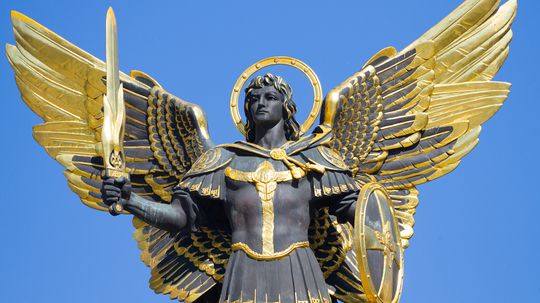
The figure of Saint Michael, or Michael the Archangel, is one of the most powerful and revered beings in religious history. Known as the protector of the faithful and a warrior against evil, Archangel Michael is venerated across Christianity, Judaism and Islam.
By Mitch Ryan
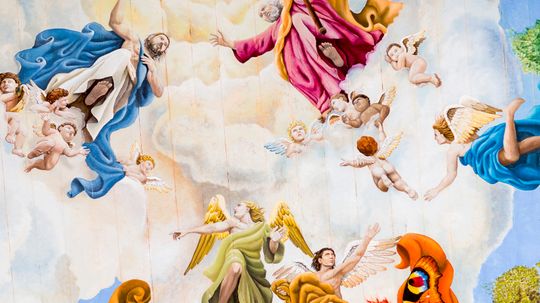
In Christian tradition, an archangel is among of the most revered and powerful spiritual beings in the celestial hierarchy. Mentioned directly in both the Old and New Testaments, these angels serve as messengers, protectors and agents of God's divine will.
By Mitch Ryan
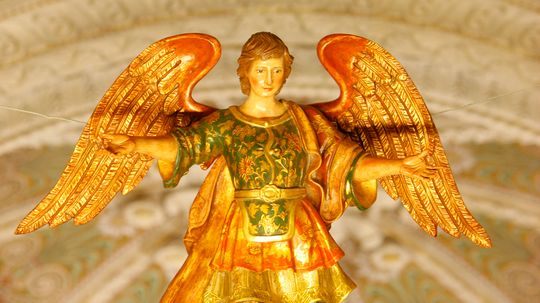
Archangel Gabriel is one of the most revered and influential figures in religious traditions across the world, often seen as a messenger of divine will and a guide to those seeking spiritual clarity.
By Karina Ryan
Advertisement
Metatron, angel and mediator between God and humanity, is one of the most mysterious and powerful figures in angelology.
By Mack Hayden
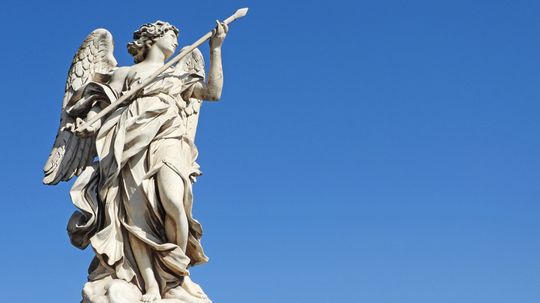
The Archangel Uriel is one of the seven angels who sit at the top of the heavenly food chain. He's one of seven archangels mentioned throughout Christian tradition. These archangels oversee God's legions of heavenly servants and help run the world as we know it.
By Mack Hayden
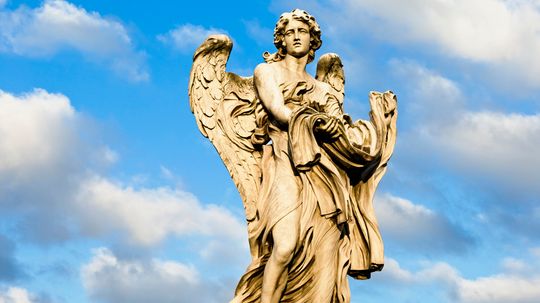
Archangel Jophiel, whose name means "Beauty of God," is said to emanate divine inspiration and wisdom, transforming negative emotions into positive energy. His energy encourages both inner and outer beauty, helping people cultivate not just physical grace but also a deeper sense of spiritual self.
By Mack Hayden

Ah, the humble cup of joe — our reliable morning sidekick. It's hard to imagine a time when coffee didn't cost half your paycheck or come with a laundry list of milk options. But once upon a time, you could get a steaming mug for under a buck, no barista needed.
Advertisement
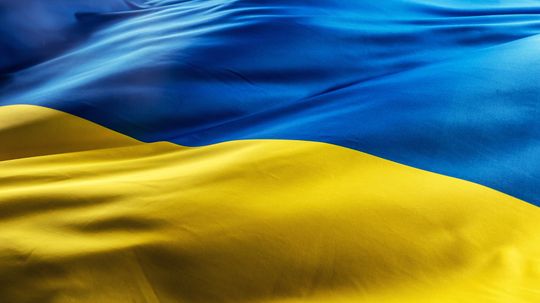
Blue and yellow flags are common among national and state flags, and the blue and yellow color combinations often symbolize nature.
By Ada Tseng

The English language is challenging due to complicated grammar, inconsistent sentence structure and colloquial idioms that it doesn't share with related languages. However, English is a target language that sees significantly more resources and opportunities for immersion than many other languages.
By Karina Ryan
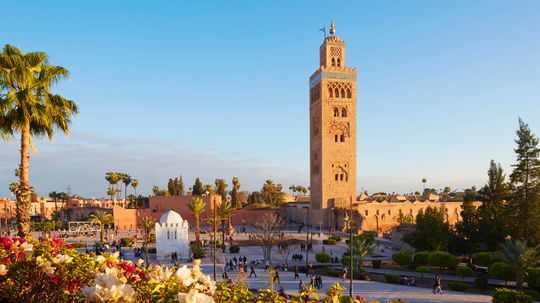
Islam is one of the world's largest religions, practiced by over 1.9 billion people across the globe — that's nearly a quarter of the world population. The world's Muslims are spread out across the globe, but the largest Muslim population is in the Middle East and other surrounding regions.
By Mack Hayden
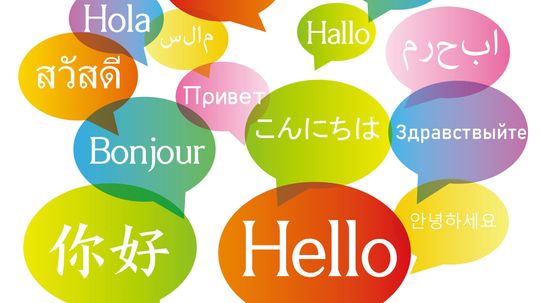
Languages exist as ever-evolving systems of human communication that go beyond complex grammar or words you could learn from a quick search on Google Translate. Language consists of body language, social cues and mother tongue idioms that are shaped by culture and context. That said, how many languages are there in our vast world?
By Karina Ryan
Advertisement
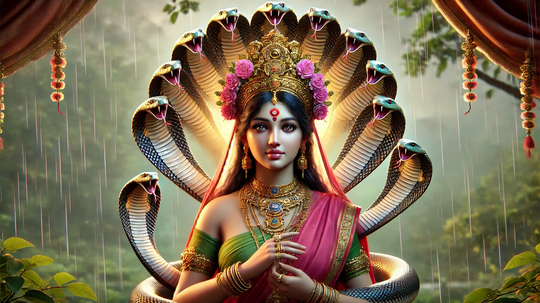
The snake goddess trope has slid through various cultures throughout history, embodying powerful symbols of fertility, protection and transformation. From the ancient temples of Crete to the mythological landscapes of Egypt and India, these deities have played significant roles in religious practices and storytelling.
By Mitch Ryan
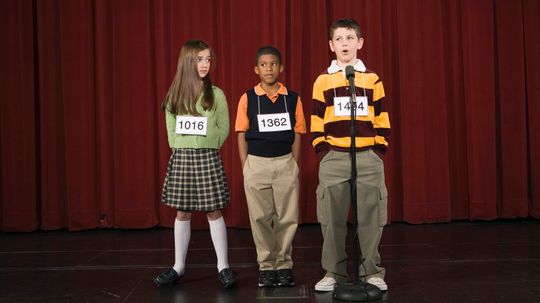
Many people struggle with learning the English language because there are so many nuanced spellings and usages for different words that don't conform to logical patterns. The hardest words to spell don't always have to be the longest but often contain minor differences from common speech patterns.
By Mitch Ryan
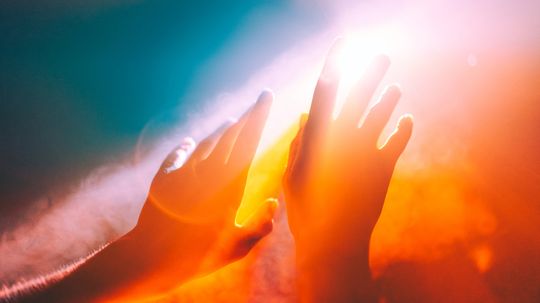
When you think of angels, you probably imagine beautiful beings with flowing white robes, gentle faces and perhaps a pair of wings. However, you might be surprised to learn that a biblically accurate angel can be a far cry from these modern depictions.
By Marie Look

The letter "ñ" is Latin small letter (aka lowercase letter) found in Spanish words. A tilde (the squiggly line over the letter) distinguishes "ñ" from "n" and gives it different pronunciation. For instance, in Spanish, "ano" is pronounced "ah-no" and "año" is pronounced "ahn-yo." And for the record, these two words have very different meanings as well.
By Mitch Ryan
Advertisement
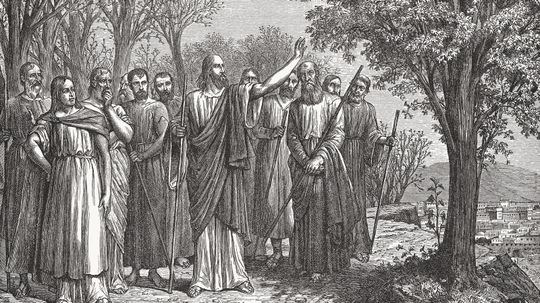
The New Testament is filled to the brim with symbolic acts, but the Christian messiah, Jesus of Nazareth, was a master of this tactic. Jesus answered the toughest philosophical questions with stories and miracles to help each follower find spiritual fruitfulness and lead a fruitful life.
By Mitch Ryan

What is the easiest language to learn as a second language? The answer will vary depending on your native language. Learning a new language can open up opportunities, from connecting with people in your community or embracing your own culture to being able to live and work abroad.
By Karina Ryan

The Mennonite vs. Amish distinction is difficult to pinpoint for most outsiders since they both represent some of the most conservative groups in the modern world. Although closely related in traditional dress and customs, there are several notable differences once you dig a bit deeper.
By Mitch Ryan
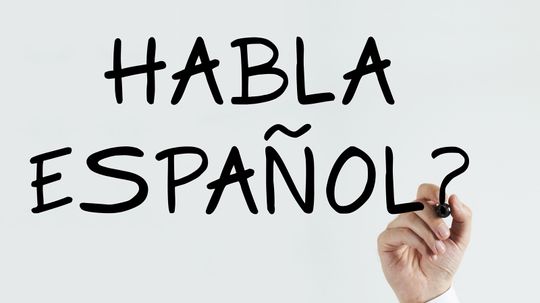
Like English, Spanish is a global language with nearly 600 million Spanish speakers worldwide. There are many Spanish-speaking countries, from the 21 nations with Spanish as their official language, to other countries with significant populations of people who speak Spanish as their native language or as a second language.
By Karina Ryan
Advertisement
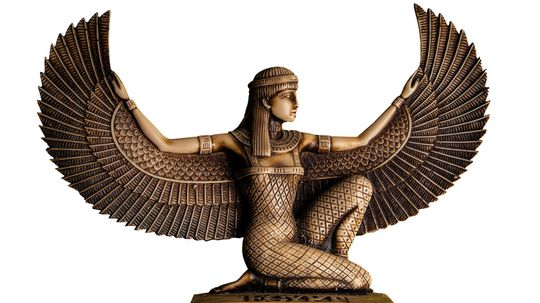
Isis, goddess of healing and funeral rites, was one of the most important Egyptian deities and arguably one of the most prominent female deities in the ancient world.
By Mitch Ryan
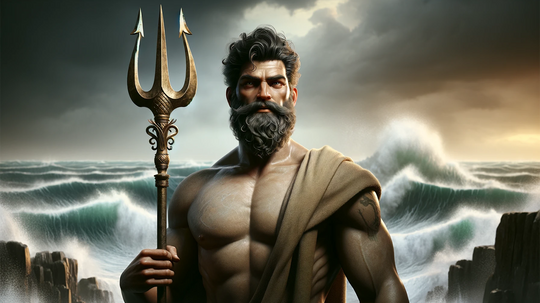
Poseidon, god of the sea, was an integral figure in ancient Greek mythology. Although the name Poseidon means "lord of the earth," this powerful god mostly controlled the oceans and waterways. The Aegean Sea fell and rose by his hand, and sailors prayed for mercy during every nautical voyage.
By Mitch Ryan