
Political Issues
The Political Issues Channel discusses hot topics and important political issues such as conventions, scandals and theories.
What Is a Postal Code? A Brief History of Zip Codes
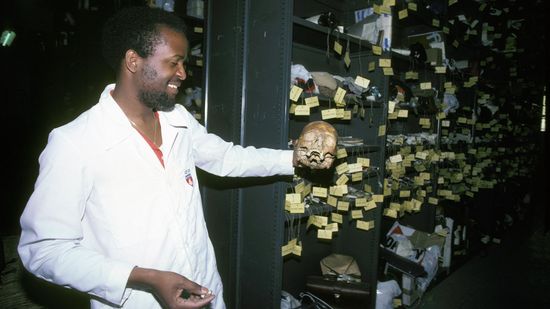
From Human Skulls to Handguns, the Paris Lost and Found Has Seen It All
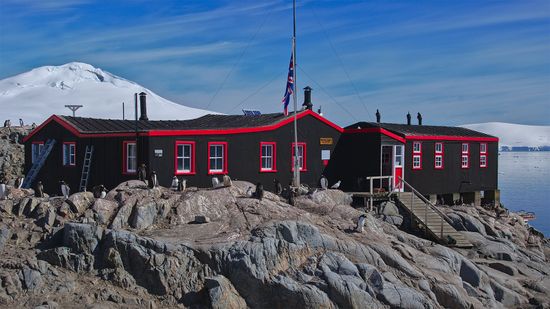
Running Antarctica's 'Penguin Post Office': Coolest Job Ever?
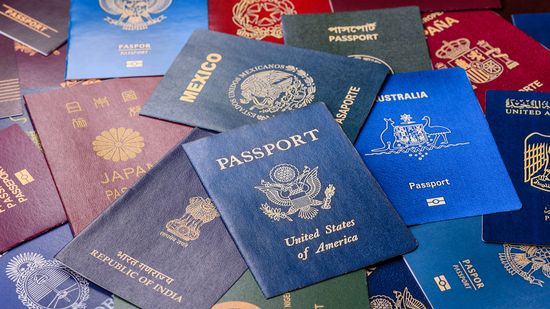
Which Countries Allow Dual Citizenship?
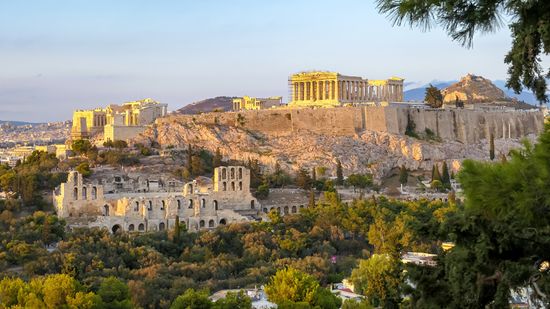
How Athenian Democracy Laid the Foundation for Modern Voting
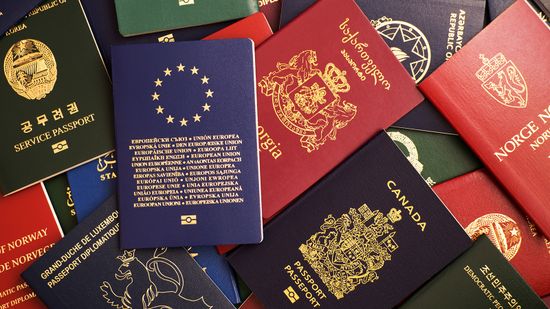
6 Easiest Countries to Get Citizenship
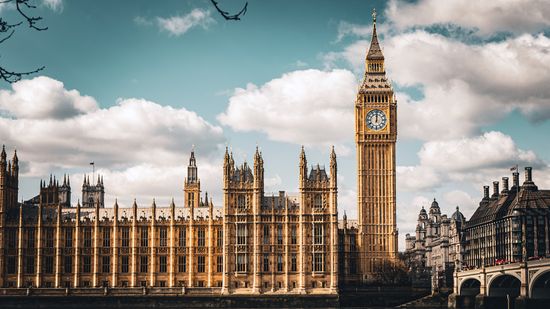
Parliamentary Democracy, Explained Simply
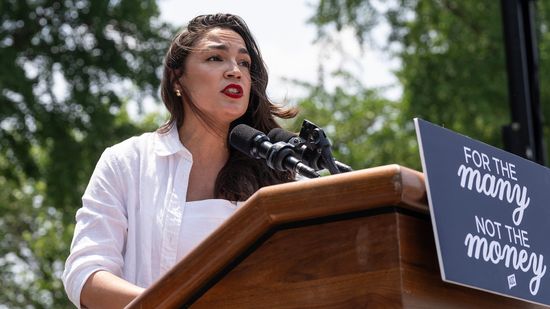
Representative Democracy: How It Started and How It's Going
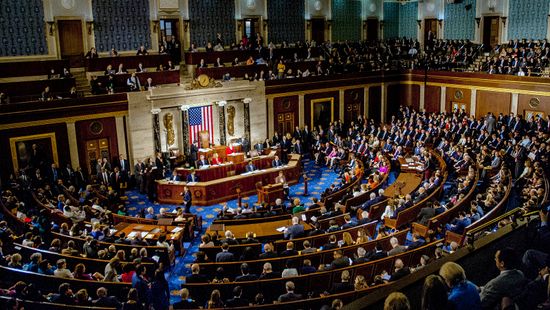
10 States With the Most Electoral Votes: NY's Fall to No. 4
The Safest Place During Martial Law Depends on Your Resources

Is the U.S. Prepared to Handle Natural Disasters During the COVID-19 Pandemic?
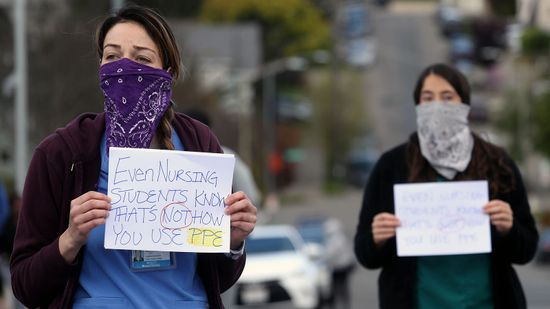
The Defense Production Act Was Designed for Emergencies Like Coronavirus

10 Safest Cities in California (You'll Be Surprised How Many Are in SoCal)
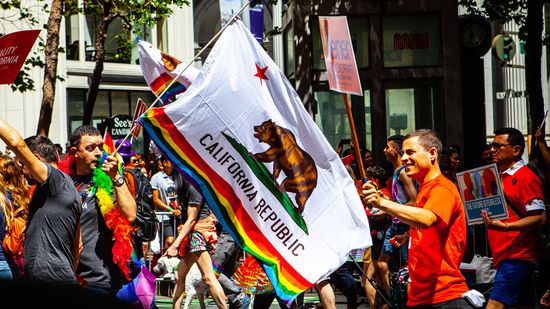
8 Most Liberal Cities in the U.S., Including 2 Not on the Coasts

7 Fastest-growing Cities in the U.S.: San Antonio, Phoenix, and More
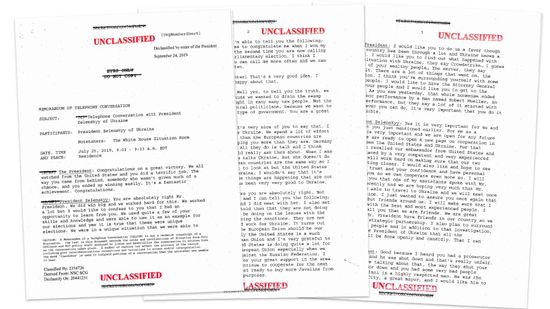
How Does the U.S. Government Declassify Top Secret Documents?
How Does the U.S. Classify Its Most Sensitive Documents?
Why Data Encryption Remains a Really Complex Issue
Learn More / Page 4
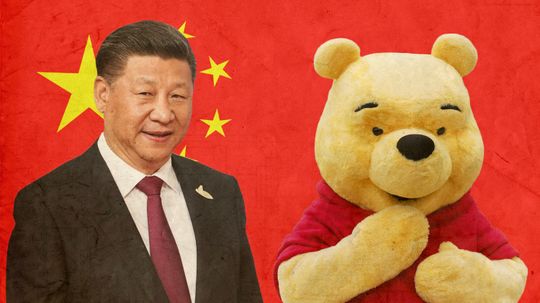
This time it's not honey that got Winnie the Pooh in trouble.
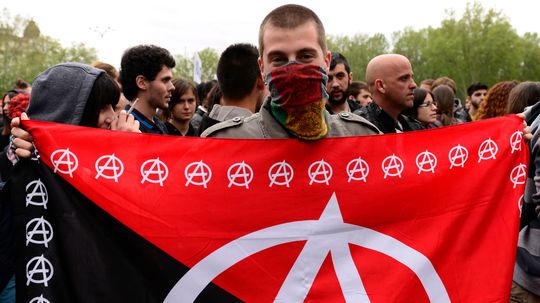
Anarchism is often thought of as a synonym for chaos and violence, but the philosophy of anarchism is far more nuanced than that.
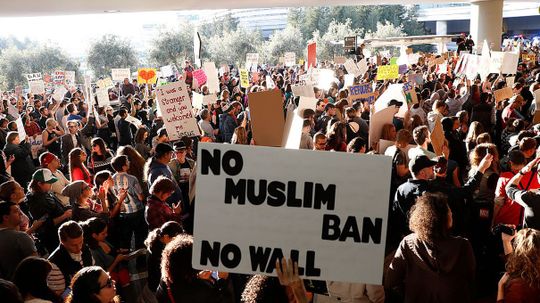
President Trump and Congressional Republicans have claimed that protesters who've shown up in force are being paid by their political opponents. Is there any evidence that's true?
Advertisement
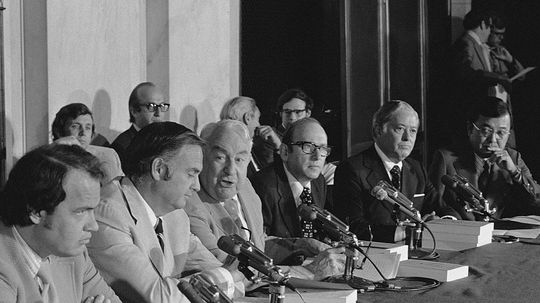
Investigations have been a part of the U.S. Congress since 1790. Who decides on an investigation and how effective are they?
If you're a U.S. citizen with a passport, driver's license or state-issued ID, your face could wind up in a virtual lineup.
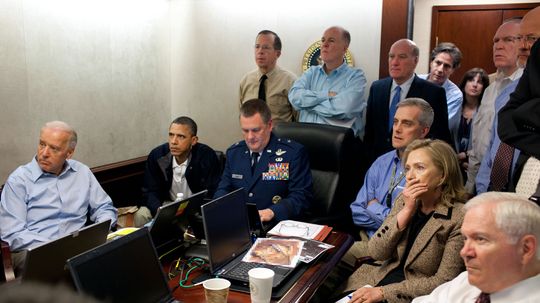
The National Security Council provides advice to the president on intelligence matters and coordinates activities in various government agencies. At least in theory. In reality, each U.S. president has used the council in the way that suits him.

Whether an item is labeled as "made," "assembled" or "manufactured" in a country makes a big difference.
Advertisement

Once enacted by President Lyndon B. Johnson in 1966, the Freedom of Information Act provided citizens and journalists more access to government documents and material.

Scandalgate! The connotative suffix has been affixed to imbroglios aplenty. But has its overuse made us forget its original context?
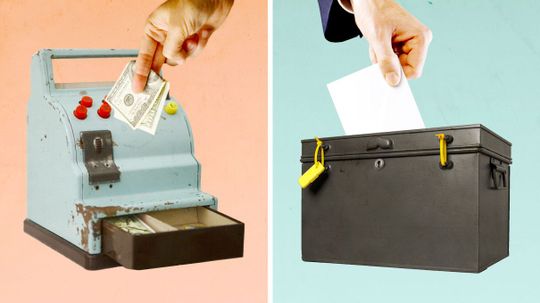
The words we use can suggest transactional or participatory relationships. What's your role in a country? To consume, spend and buy? Or to participate, vote and engage?
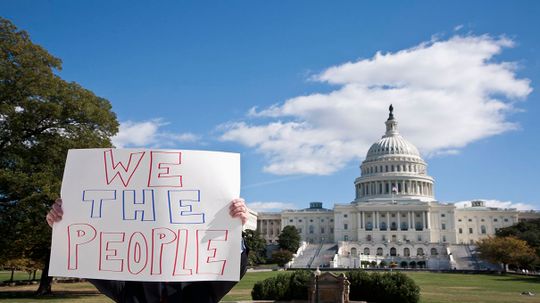
The first and only Constitutional Convention was held in Philadelphia in 1787. Why haven't there been others since?
By Dave Roos
Advertisement

Eight Republican members of Congress are pushing legislation to remove the U.S. from the United Nations. Is that even possible? Has it ever happened before?
You may be surprised at which states are feeding the most at the government trough.
By Dave Roos
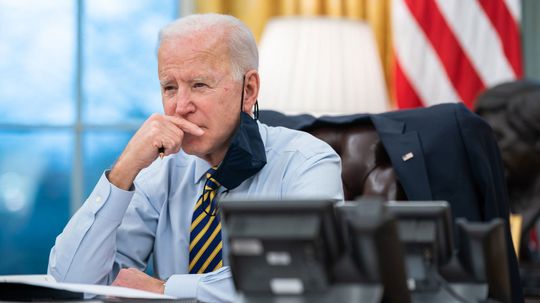
A new U.S. president is under pressure to produce in those first 100 days in office. Why is that and does it really matter?
By Dave Roos

Born Melanija Knavs in Yugoslavia, the former model is only the second foreign-born first lady of the United States.
Advertisement
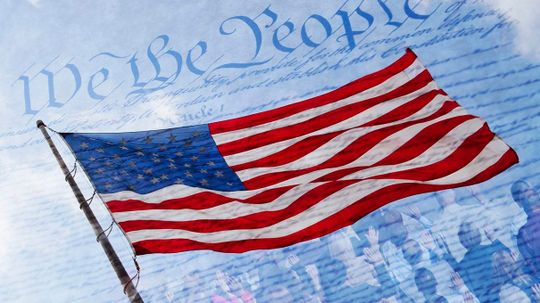
Donald Trump proposed stripping flag burners of citizenship. Regardless of the fact that flag-burning is legal, whether the United States can even do that is tricky.
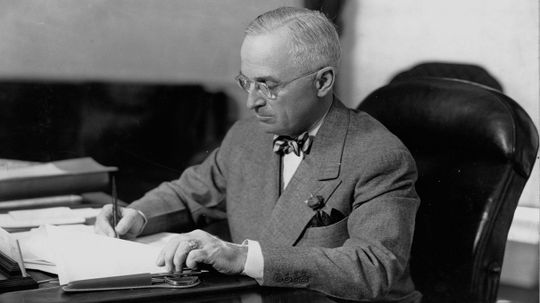
The intelligence community has been keeping the U.S. president up to date on world events since 1946 with the President's Daily Brief. Why would a president skip it?
By John Donovan
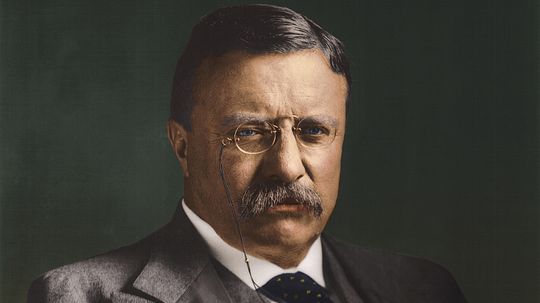
The powers wielded by the U.S. president have waxed and waned over the years.
By Oisin Curran
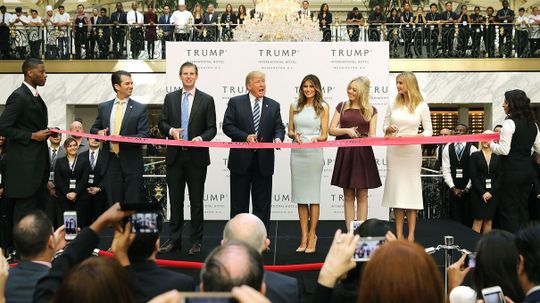
The law actually says 'yes', but precedent says 'no.' Here's why.
By Dave Roos
Advertisement
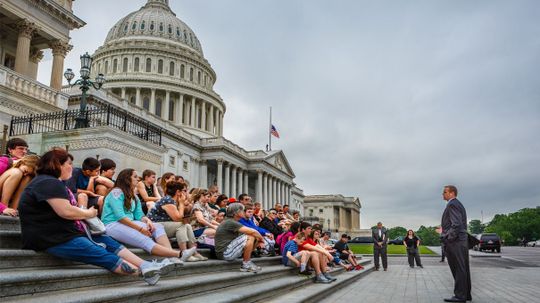
Democracy requires citizen participation. But sometimes emailing and signing petitions can feel like shouting into a black hole. What's your best strategy to be heard?
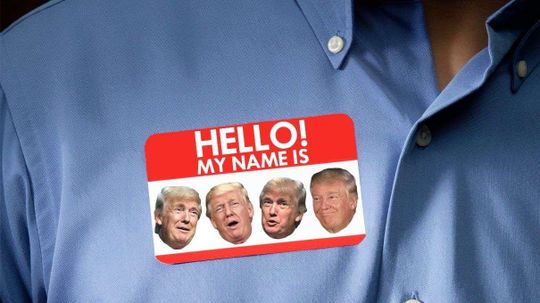
Donald Trump may be the most prominent Trump, but he's not the only one. His polarizing candidacy is affecting ordinary people who share the surname.

A new study says you may get different treatment options depending on your doctors' political beliefs? What's a patient to do?
By Dave Roos
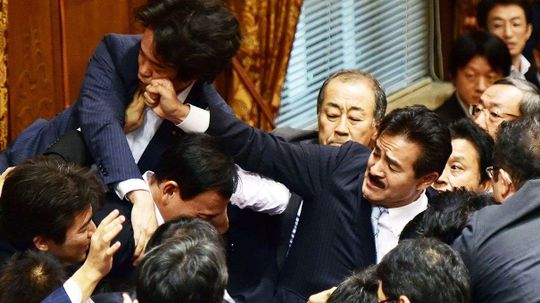
Think that a debate is intense? When tempers rise, elected officials can land more than metaphorical blows, as these examples from the past year alone show.
By Chris Opfer
Advertisement
A low-level cabinet member becomes U.S. president when everyone else is killed during a State of the Union address. It's the plot of a new TV show - and based in reality.
By Dave Roos
Think you have an original idea for a Constitutional amendment? Are you sure it hasn't been brought up one of the other 11,000 times?