
Political Issues
The Political Issues Channel discusses hot topics and important political issues such as conventions, scandals and theories.
What Is a Postal Code? A Brief History of Zip Codes
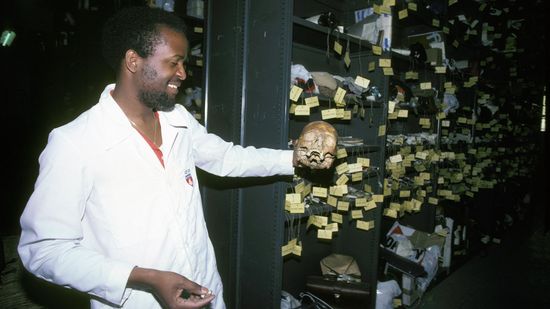
From Human Skulls to Handguns, the Paris Lost and Found Has Seen It All
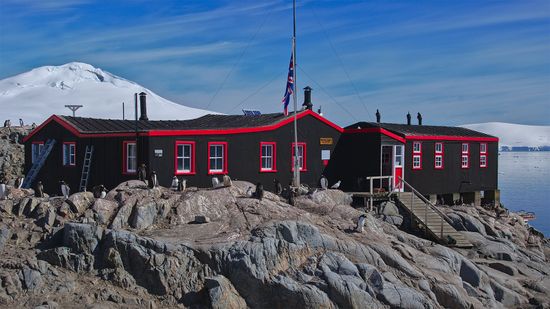
Running Antarctica's 'Penguin Post Office': Coolest Job Ever?
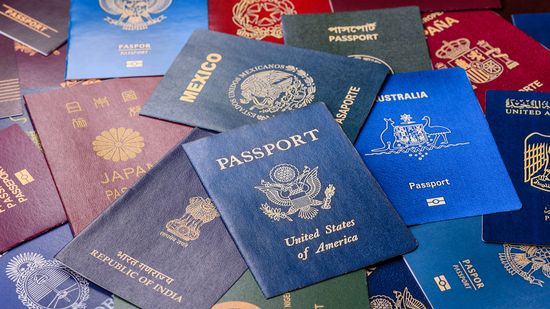
Which Countries Allow Dual Citizenship?
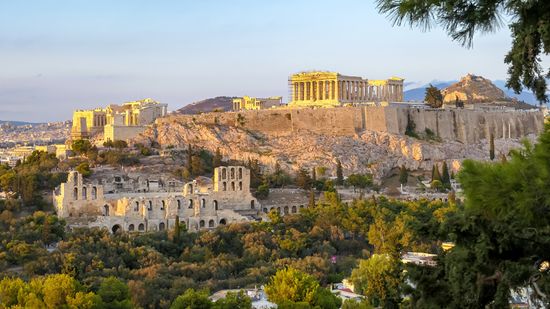
How Athenian Democracy Laid the Foundation for Modern Voting
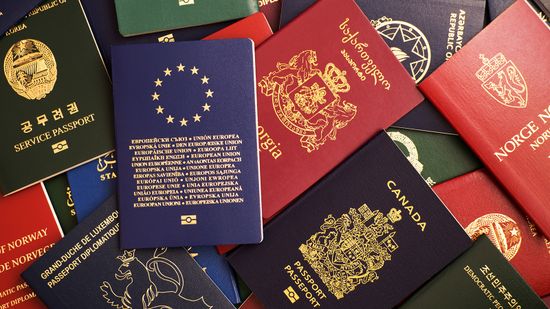
6 Easiest Countries to Get Citizenship
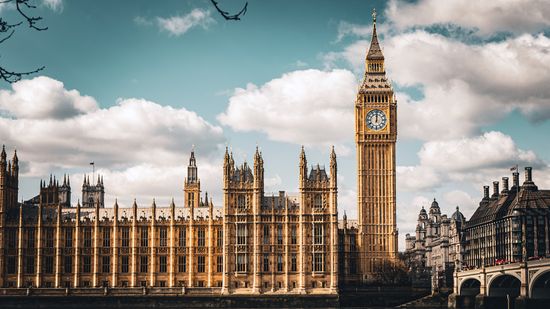
Parliamentary Democracy, Explained Simply
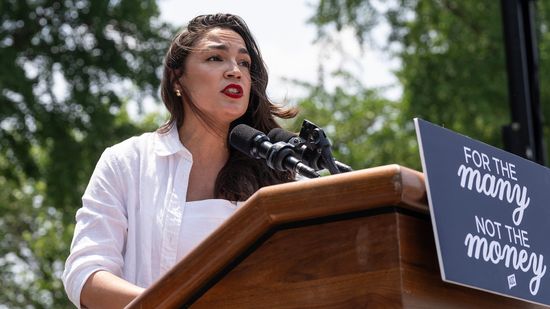
Representative Democracy: How It Started and How It's Going
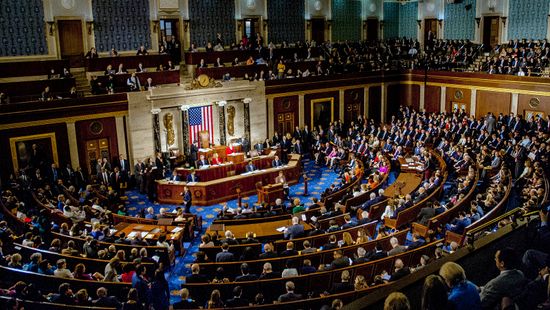
10 States With the Most Electoral Votes: NY's Fall to No. 4
The Safest Place During Martial Law Depends on Your Resources
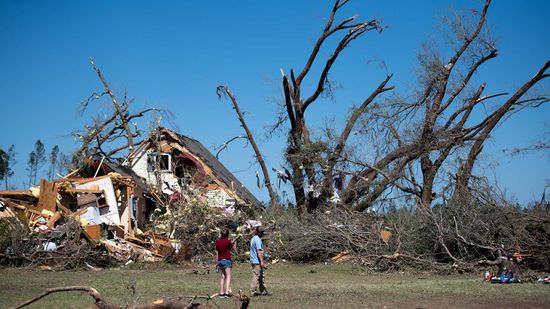
Is the U.S. Prepared to Handle Natural Disasters During the COVID-19 Pandemic?
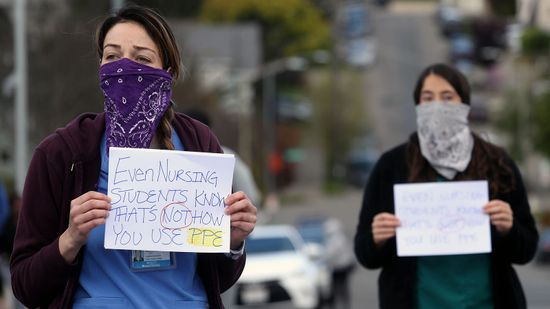
The Defense Production Act Was Designed for Emergencies Like Coronavirus

10 Safest Cities in California (You'll Be Surprised How Many Are in SoCal)
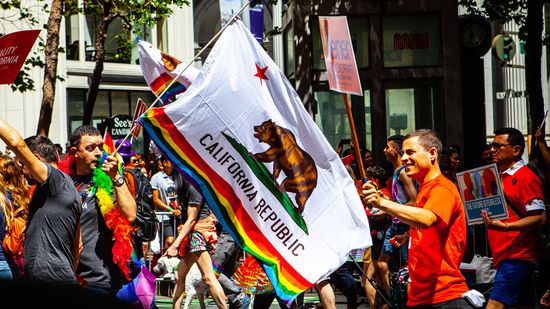
8 Most Liberal Cities in the U.S., Including 2 Not on the Coasts
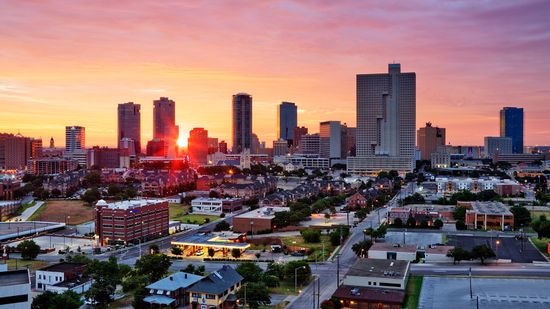
7 Fastest-growing Cities in the U.S.: San Antonio, Phoenix, and More
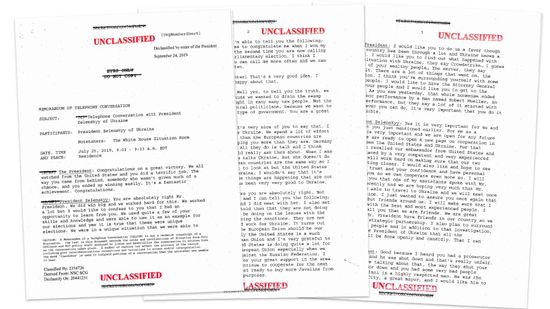
How Does the U.S. Government Declassify Top Secret Documents?
How Does the U.S. Classify Its Most Sensitive Documents?
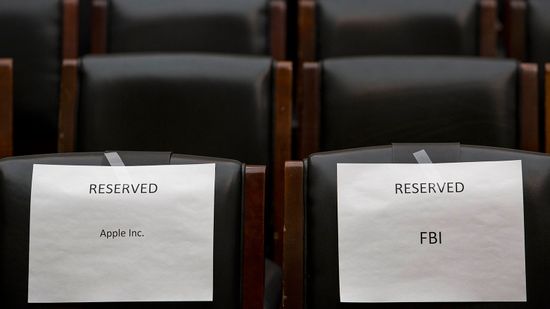
Why Data Encryption Remains a Really Complex Issue
Learn More / Page 5
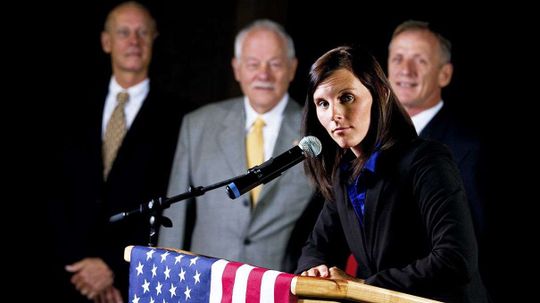
If the millennial generation is behind some of the most innovative developments in tech and business, why not hand these young citizens the keys to the country, too?
By Chris Opfer
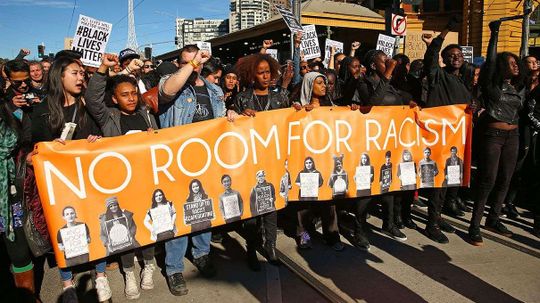
What started as a hashtag has gone global. Is the group's loose, ever-evolving structure a benefit or a drawback - or both?
By Chris Opfer
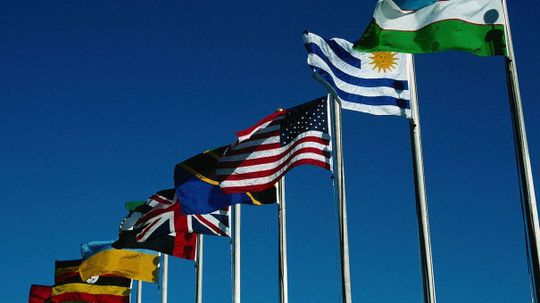
How did the idea of "don't kill the messenger" turn into a modern international standard?
Advertisement
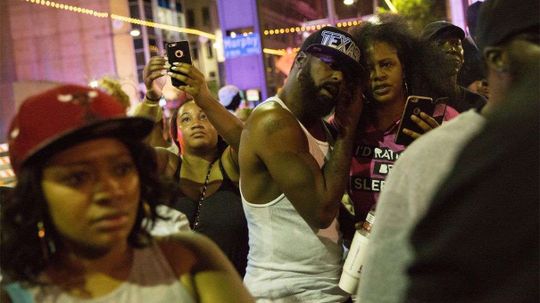
Cell phone video has inspired millions of people to rally against issues of police brutality. It's a powerful tool for exposing injustices. And it's not going anywhere.
By Dave Roos

After all, every president who could have lived there has, but is it mandatory?
By John Donovan
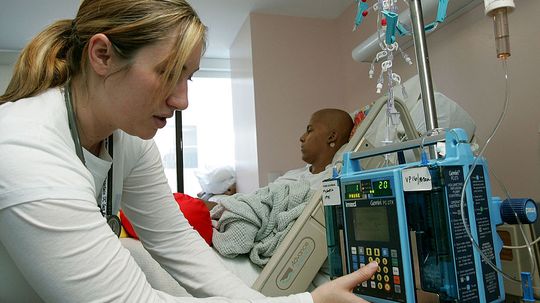
Why does health care cost so much in the U.S.? And why, for all that money, isn't the population any healthier? These are just some of the big questions in the debate over health care costs.
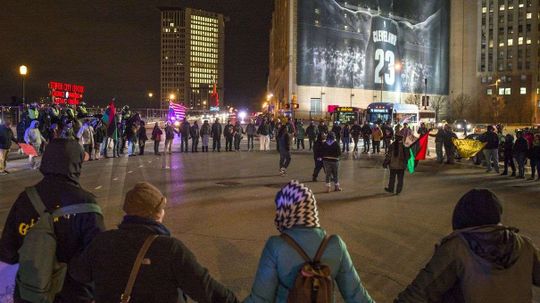
We often think of the civil rights movement as just part of the 1960s. On Martin Luther King Day, we explore some civil rights issues going on in the U.S. today.
By Alia Hoyt
Advertisement
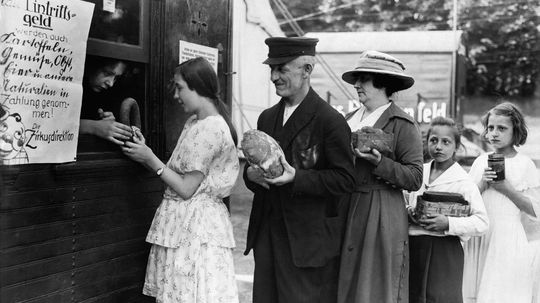
Ever felt a pang of guilt on, say, Election Day when you skipped the voting booth to go to dinner? The 'bread and circuses' concept of being pacified by food and entertainment - and forgoing civic duty - goes back to Roman times.
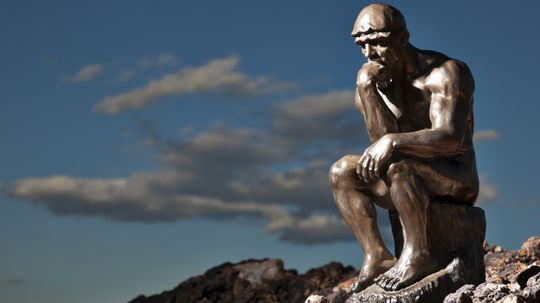
Thousands of think tanks dot the globe, and if you think they don't affect you, you're wrong. The scholars at these high-brow thought factories have a much bigger agenda than merely sitting around looking contemplative.
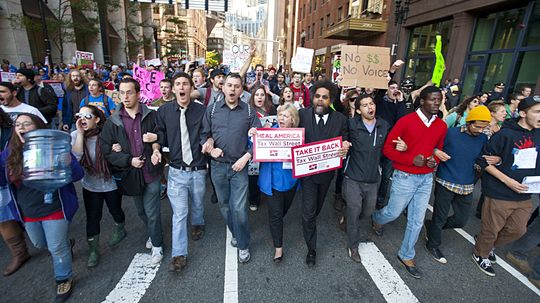
Thanks to the First Amendment, people in the U.S. can say whatever they want, wherever they want without fear of prosecution. Er ... not quite.
By Dave Roos
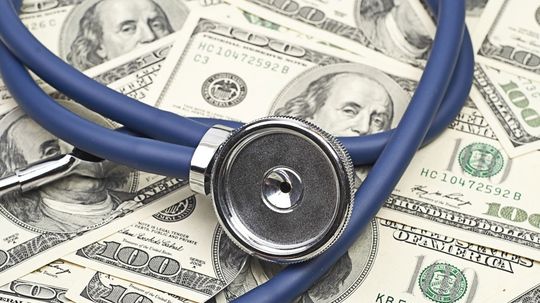
It's the U.S.'s primary public health insurance program, but who pays for it and who qualifies for coverage? Get the scoop on the ins and outs of Medicaid's rules and benefits.
Advertisement
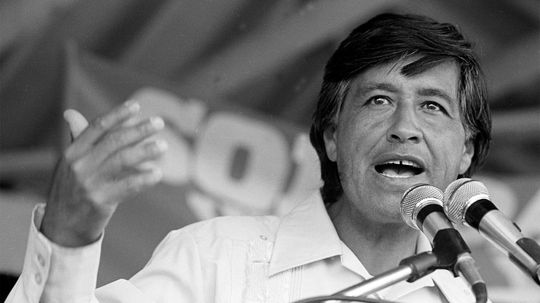
Throughout history, charismatic leaders have emerged and changed the world - for better and for worse.
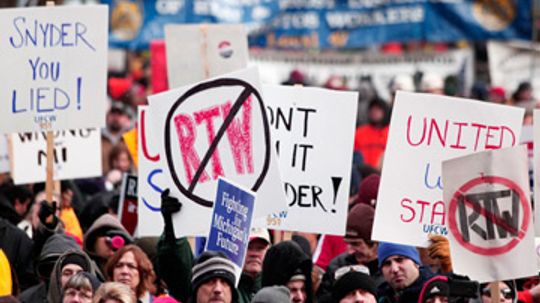
Right-to-work legislation lately has received a ton of attention in the U.S. Why are people so divided on these controversial laws?
Confusing wording in legislative documents often leads to misinterpretation of the draft's intent. Is that the case with the Affordable Care Act?
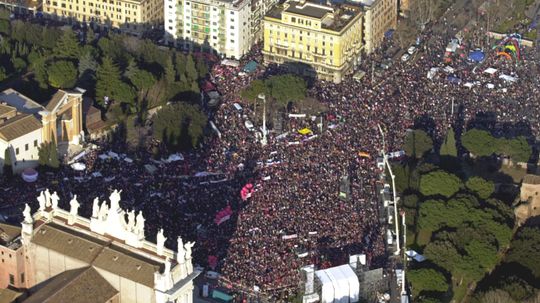
As long as there has been civil discourse, there has been civil disobedience. In other words, protesting against the status quo is nothing new. But what was the largest one ever assembled?
By Robert Lamb & Dave Roos
Advertisement
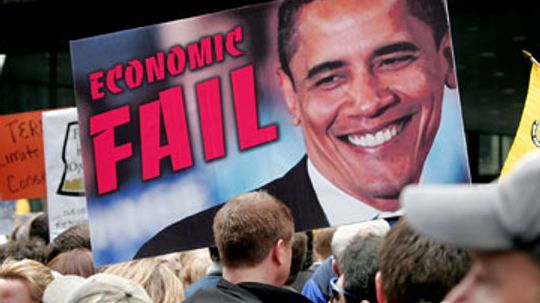
Like the more politically liberal Occupy Wall Street movement, the Tea Party has attracted intensive media coverage. But what does this now formalized entity stand for, and who makes up its ranks?
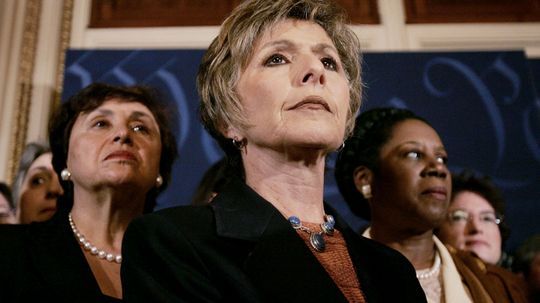
Women have the right stuff to excel in politics, but they still make up well under 20 percent of the U.S. Senate and House. Could this minority status actually be making them better politicians?
Whenever a presidential election rolls around, third parties often have a moment in the limelight. From Internet-privacy-loving Pirates to Ayn Rand-toting Objectivists, what are some of the most unusual third parties out there?
Libertarians are certainly enjoying their moment in the spotlight, but does anyone know what they really believe? This article will shed some light on a political philosophy that could influence the upcoming election.
By Dave Roos
Advertisement
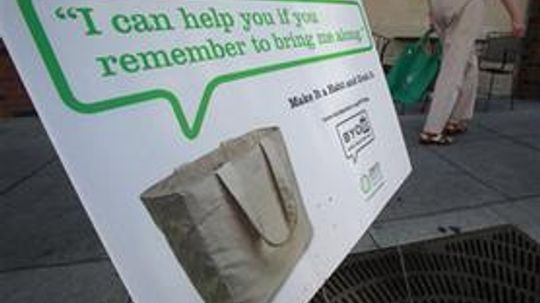
It's probably more than you think. Learn more about how many cities have a ban on plastic bags.
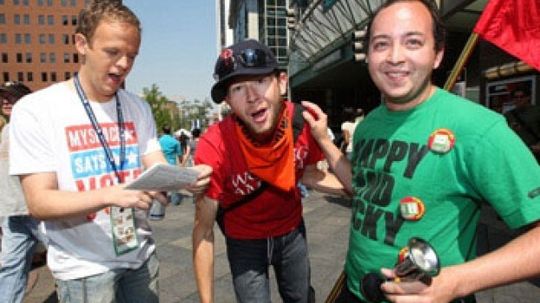
Citizen journalism refers to the efforts of average citizens or amateur journalists to gather news and spread accurate information. The question that surrounds the practice, however, is defining what makes a professional journalist.
By Dave Roos
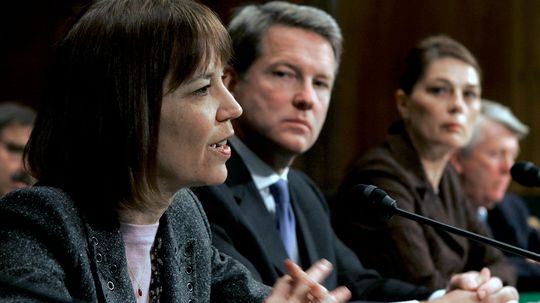
The U.S. Constitution touts freedom of the press, but a closer look at the law - especially as interpreted by the Supreme Court - shows that press "freedom" has its limits. How are journalists bound by the law?
By Dave Roos
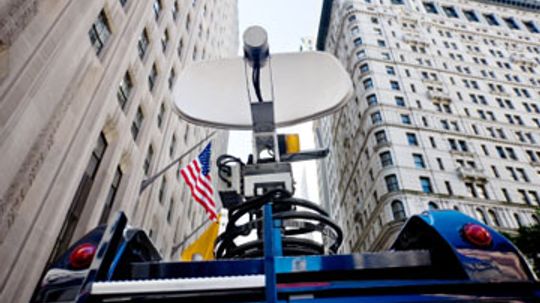
Ever wonder how the 24-hour news cycle is possible? You can thank digital satellite news gathering for a large part of the constant flow of information.
By Jane McGrath
Advertisement
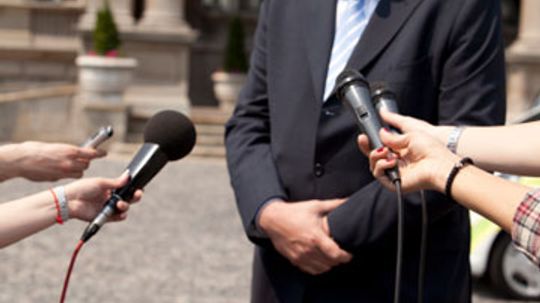
Do you remember the phrase "film at 11"? If you do, you were around before electronic news gathering made the world move a little faster.
By Jane McGrath
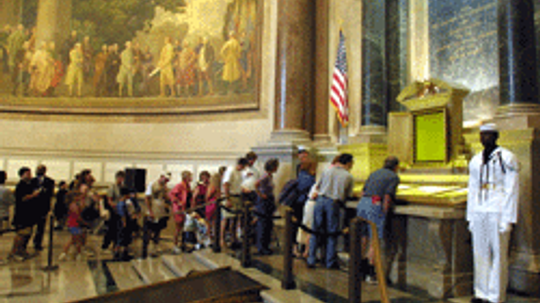
Each September, Americans remember the document that Revolutionary War general and national assemblyman Marquis de Lafayette called "little short of a miracle." But what don't you know about the U.S. Constitution?
By Julia Layton