
Political Issues
The Political Issues Channel discusses hot topics and important political issues such as conventions, scandals and theories.

What Is a Postal Code? A Brief History of Zip Codes

From Human Skulls to Handguns, the Paris Lost and Found Has Seen It All

Running Antarctica's 'Penguin Post Office': Coolest Job Ever?
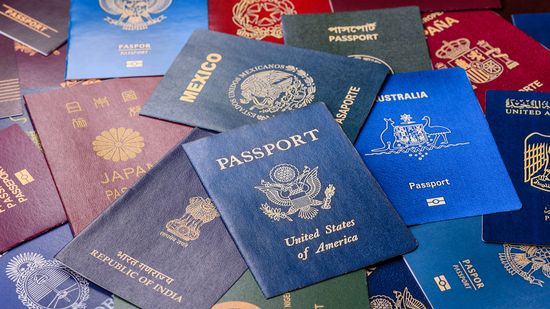
Which Countries Allow Dual Citizenship?

How Athenian Democracy Laid the Foundation for Modern Voting
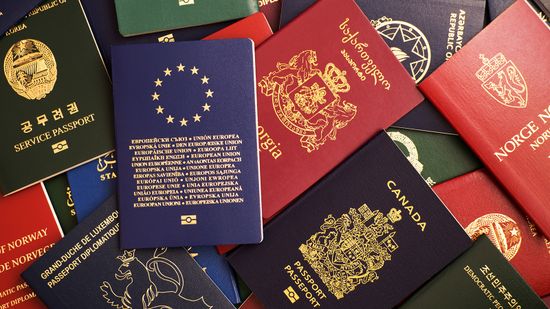
6 Easiest Countries to Get Citizenship
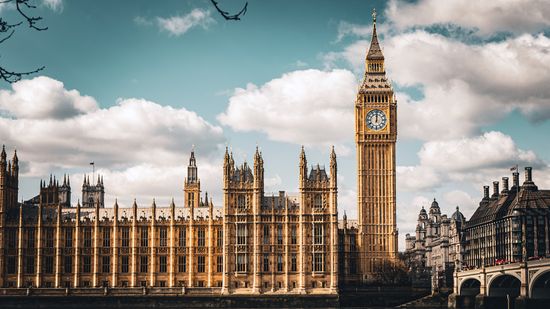
Parliamentary Democracy, Explained Simply

Representative Democracy: How It Started and How It's Going

10 States With the Most Electoral Votes: NY's Fall to No. 4

The Safest Place During Martial Law Depends on Your Resources

Is the U.S. Prepared to Handle Natural Disasters During the COVID-19 Pandemic?

The Defense Production Act Was Designed for Emergencies Like Coronavirus

10 Safest Cities in California (You'll Be Surprised How Many Are in SoCal)

8 Most Liberal Cities in the U.S., Including 2 Not on the Coasts

7 Fastest-growing Cities in the U.S.: San Antonio, Phoenix, and More
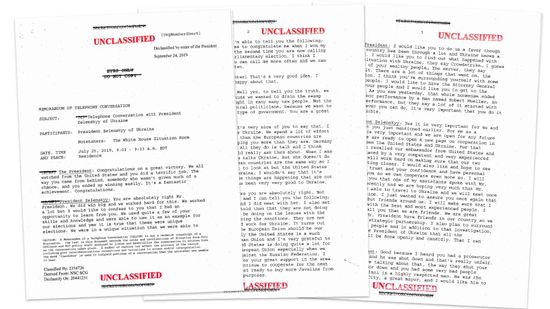
How Does the U.S. Government Declassify Top Secret Documents?

How Does the U.S. Classify Its Most Sensitive Documents?

Why Data Encryption Remains a Really Complex Issue
Learn More / Page 6

The United States spends a huge chunk of its national paycheck on debt obligations. Where is all that money going?
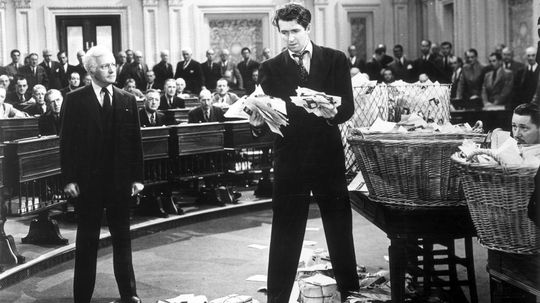
If you think filibusters have been in the news more lately, you're right. In the 1950s, the Senate averaged fewer than one per session. The 116th Congress (2019-2020), however, threatened filibuster 270 times. Why the big increase?
By John Kelly & John Donovan

You always hear stories about politicians and government employees leaving their jobs to return to the private sector and vice versa, but did you know that the phenomenon actually has a name? It's known as the Revolving Door -- and some critics think it could damage the country irreparably.
By Josh Clark
Advertisement
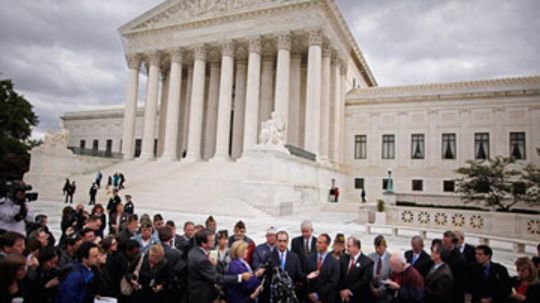
If you're a child in the United States, you can't legally vote, drive, hold public office or even see some movies without an adult with you. But that doesn't mean you don't have constitutional rights.
By Chanel Lee

China is generally viewed as the next candidate for "superpower" distinction, but does that mean it will take over the world? What would that entail?

Some of the most pervasive rumors during the debates over health care reform involved people over the age of 65. But as it turns out, many of the Affordable Care Act's provisions are something for seniors to be excited about.

Medical professionals in the United States have some of the most advanced diagnostic equipment in the world, but when it comes to keeping track of patients' medical histories, we still rely primarily on pen and paper. Why should we switch?
Advertisement

Governments around the world have long combined capitalism with socialism -- with varying results. What brought the two together in the first place?
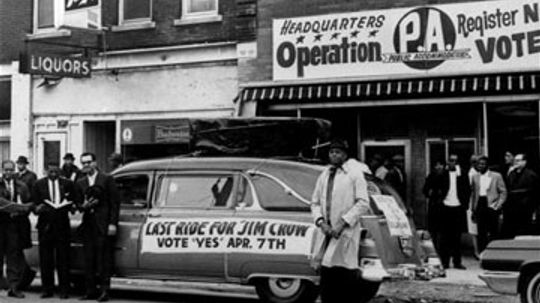
The idea of a democracy, in which each citizen gets an equal vote to contribute to decision making, can sound tempting. But in practice, is democracy an efficient way to govern, or does it just equate to mob rule?
By Josh Clark

In tough economic times, you might be tempted to classify health insurance as a luxury -- and decide to get rid of the expense. But health insurance is one thing that should remain in your budget no matter how bad things get. How can you find the right plan?

Shopping for shoes, books and private yachts is fun; shopping for health insurance is not. But don't despair. The good news is that it's getting much, much easier -- and putting in the work of buying insurance is far preferable to dealing with sky-high medical bills.
Advertisement

An ounce of prevention may be worth a pound of cure, but Americans seem to forget that when it comes to health care. Most of us just wait to see the doctor when we're already sick. Could changes to preventive services coverage convince more of us to go?

When you make a large purchase, such as a car, you do a little comparison shopping, looking at different features and prices until you find the perfect fit. You can't do that with the health insurance market. At least, not until now.
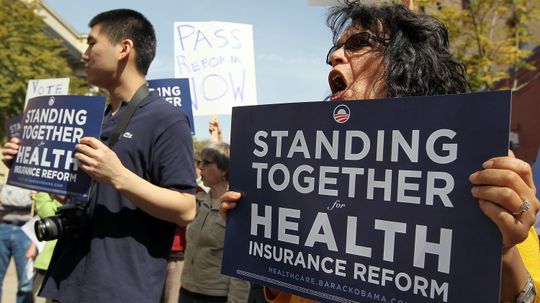
U.S. health care reform didn't happen without a firestorm of controversy. With all the hubbub surrounding the bill, the actual contents of the Patient Protection and Affordable Care Act are still a mystery to many -- maybe even you.
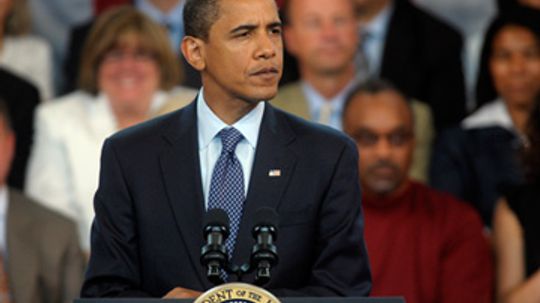
If you've ever butted heads with your insurance company to get a surgery covered, you understand why the U.S. is pursuing health care reform. But if you're happy with your coverage, you might wonder why the government is trying to change it.
Advertisement

In the arguments about U.S. health care reform, you'll often hear a country held up as the worst or best example of what health care can be. What is health care like around the globe?

If you've been watching the news or using social media, you've seen angry protesters, town hall free-for-alls and red-faced pundits -- all irate over the issue of health care reform. A lot of the hullabaloo is about "facts" that are just plain myths.

Whether you indignantly objected when Fox canceled "Firefly" or marched around your nation's capital hoping for change, you're a protester. But would you stop paying your taxes to voice your displeasure? Would you face down a tank?
By Robert Lamb

Want to see a party turn into an all-out brawl? Invite people of differing political views and bring up abortion. But for such a controversial topic, many people often know surprisingly little about the procedure behind the politics.
Advertisement
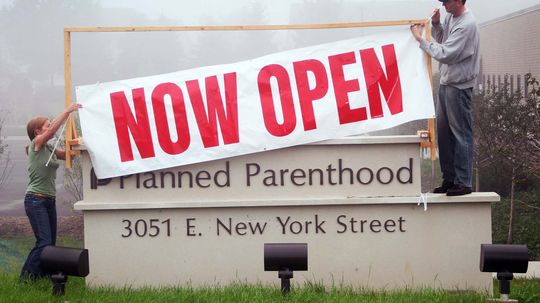
What goes on in other people's bedrooms has long been an issue that divides people in the United States. Planned Parenthood, provider of sexual health information and services, is no stranger to controversy.
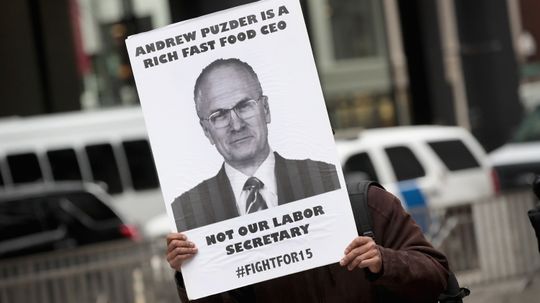
Although the arduous Senate confirmation process can break even the strongest candidates, the vast majority of presidential appointees are ultimately confirmed. We present the cases of 10 unfortunate exceptions to that rule.
By Josh Clark

When you think of propaganda, Rosie the Riveter may come to mind. A lot of famous pieces of propaganda were created during World War II, but this covert practice of persuasion stretches as far back as ancient Rome.
By Alia Hoyt

Nearly three decades ago, the booming Chinese population caused the government to limit most couples to one child. The plan worked, but at what expense?
Advertisement

During the Cold War, the U.S. and USSR stockpiled weapons but never started a nuclear war. What held them back from launching a strike for nearly 40 years? Could two nations embroiled in conflict have made a mutual agreement not to strike?
By Josh Clark

Judy Blume, John Steinbeck and Maya Angelou are among the top 10 most challenged American authors. But to be challenged is not to be banned. What does it take to ban a book?