
Crime & Crime Prevention
Crime and Crime Prevention is a challenge for every government and society. Learn more about how governments deal with crime, criminals and crime prevention.

10 States With the Strictest Abortion Laws After Roe v. Wade Was Overturned

What Is the Youngest Drinking Age in the World?
31 Open Carry States and 10 With 'Permissive' Open Carry

How the 2021 Astroworld Tragedy Changed the Festival Scene
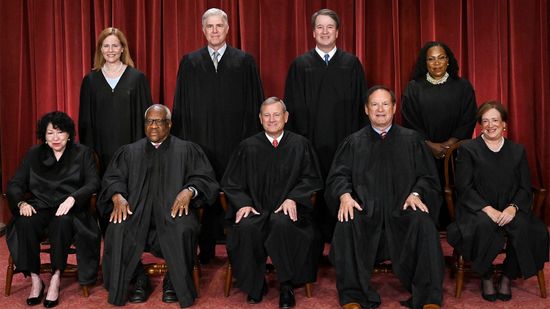
Supreme Court on the Brink of Ending Affirmative Action in College Admissions

Are Skittles 'Unfit for Human Consumption'? A Lawsuit Says Yes
Learn More

These stories about the biggest frauds in history show how deception inside major companies and financial markets can wipe out billions of dollars and destroy trust in public companies.

The most corrupt states often appear in research that tracks public corruption convictions, bribery cases, and misconduct among elected officials. In the United States, investigators and political science researchers try to measure corruption using data from the Department of Justice and other public corruption statistics.
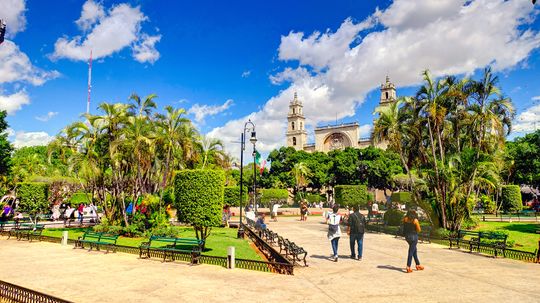
Travelers searching for the safest cities in Mexico often want clear facts about crime rates, safety concerns, and overall atmosphere. Mexico is a large and diverse country, and safety varies widely across regions, from northern Mexico to the Yucatán Peninsula.
Advertisement
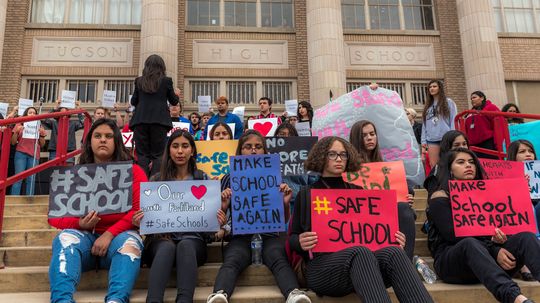
There are unfortunately myriad ways to classify the worst school shooting: the most shocking, the most emotionally devastating, the most preventable. Here, we offer historical context around the deadliest school shootings.
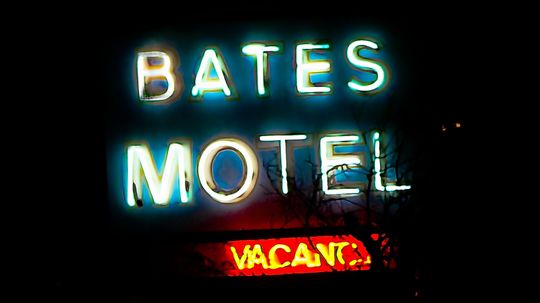
If you know anything about horror movies, you've heard the name Ed Gein. This quiet man from rural Wisconsin inspired some of the most terrifying characters in film history.
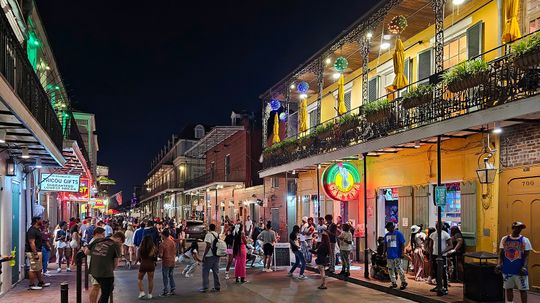
When people ask about the states with the highest crime rates, they’re usually looking at two categories: violent crimes and property crimes.
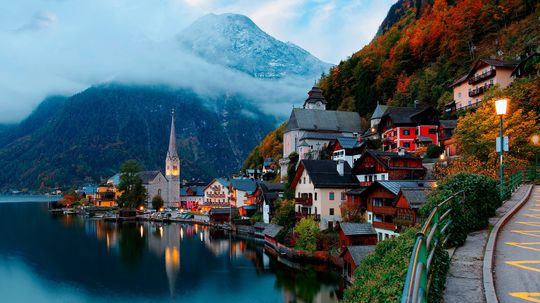
Feeling safe where you live is about more than just locking your door. It depends on everything from political stability to healthcare to how a country handles conflict.
Advertisement

In one of the most dramatic and emotionally charged moments in legal history, Marianne Bachmeier took justice into her own hands. Her story — often referenced as Der Fall Bachmeier — continues to stir debate about morality, grief and the limits of law and order.
By Zach Taras

Everything's bigger in Texas — including crime rates in certain cities. While the Lone Star State is home to stunning landscapes, rich cultural heritage and booming industries, it also has its fair share of dangerous cities.
By Mack Hayden
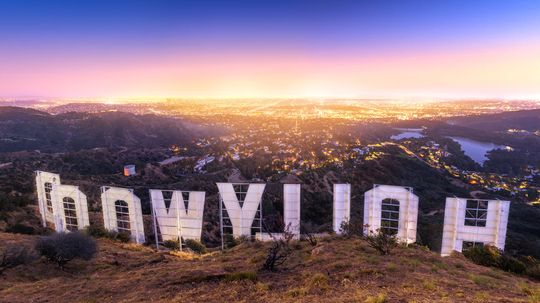
The highs and lows of show business are the stuff of legend. Behind the success, the glitz and the glamour, are the darker features of the industry: disappointment, failure, obscurity and, on occasion, horrific violence.
By Zach Taras

A racketeering conspiracy, sex cult allegations, financial crimes and fraud? Anyone familiar with the first season of the investigative podcast series "Escaping NXIVM" will know that all of these crimes were committed by one group that rose and fell within roughly two decadesm between 1998 and 2021.
By Mitch Ryan
Advertisement

The disappearance of Kristin Smart in 1996 shook San Luis Obispo County to its core. It was a case that stretched over two decades — and even today, after a popular true-crime podcast, a high-profile case that ended in a murder conviction, questions remain about what exactly happened.
By Zach Taras

The title "murder capital of the U.S." often sparks intense debate, but identifying which city holds this grim distinction requires more than just a glance at murder rates. Factors such as population density add critical context to the narrative.
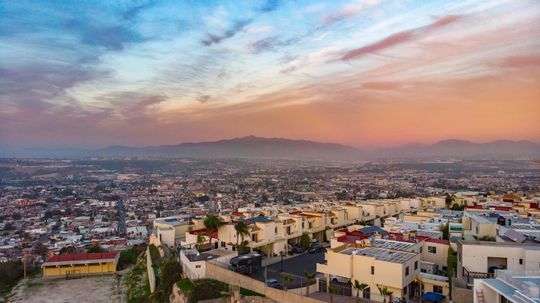
The nation of Mexico is home 130 million people across 31 states (Mexico City is a separate entity but not a state in itself, similar to Washington, D.C. in the United States). Unfortunately due to a variety of factors, Mexican cities are often host to a violent crimes including homicide. Here, we'll detail the most dangerous cities in Mexico and give some info about their history.
By Talon Homer
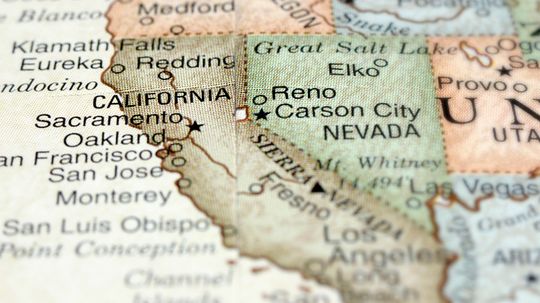
Whether you're looking for adventure, work opportunities, new scenery or better weather conditions, California cities represent a special, sunny place in the popular imagination. But before packing your bags and heading to the Golden State, you'll want to know which is the most dangerous city in California.
By Zach Taras
Advertisement
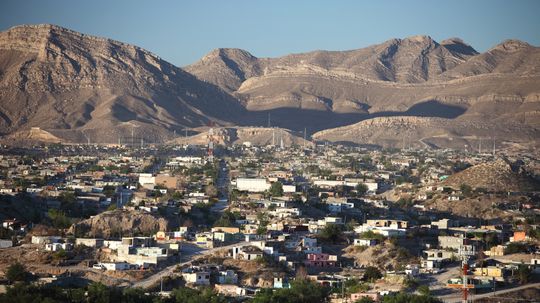
The most dangerous cities face high crime rates, affecting residents and visitors. We used Statista to analyze global murder rates per capita.
By Karina Ryan
Serial killers have long captured public attention with their upsetting stories, but there are few things more tragic than a murder by a child.
By Marie Look

As a remnant of the legacy of President Nixon and the Controlled Substance Act of 1970, cannabis plants are still categorized as Schedule I narcotics at the federal level. Although federal law remains less progressive than state laws, several states with legal weed permit medical or recreational use for citizens.
By Karina Ryan
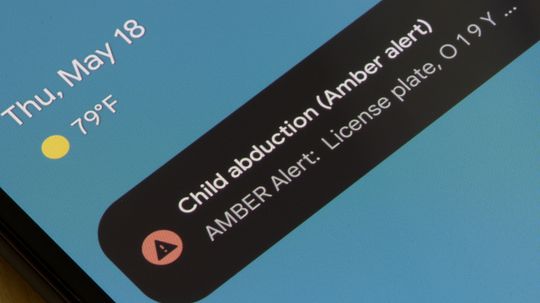
By now, it's probably a familiar sound: jarring, ear-splitting tones that sound from your mobile device. Known as an AMBER Alert, these emergency notifications can be pivotal in finding abducted children. Named after Amber Hagerman, the system started in 1996.
By Yara Simón
Advertisement
Gary Francis Poste made headlines after his death as the suspected Zodiac Killer. But is there enough evidence to finally close this case?
By Sascha Bos

In November 1984, at the age of 17, Lisa McVey Noland was riding her bike home from work in Tampa, Florida, when she was abducted by a serial killer.
By Sascha Bos

Dive into the world of La Cosa Nostra. Discover its origins, impact, and intriguing aspects of this infamous organized crime syndicate.

Explore the enigmatic Bonanno Crime Family. Discover its origins, criminal operations, and intriguing legacy in organized crime.
Advertisement

Junko Furuta's tragic 1988 murder led to lenient sentences for her teenage assailants, sparking debate over Japan's juvenile justice system.
By Dave Roos

Because of the murkiness of maritime law, it's hard to pursue crimes committed on cruise ships. What makes it so easy to get away with a crime on the high seas?
By Julia Layton