
Western Spirituality
Western Spirituality observes spiritual practices of the West. Find information on topics related to angels, sainthood or the Papacy.
Learn More / Page 2
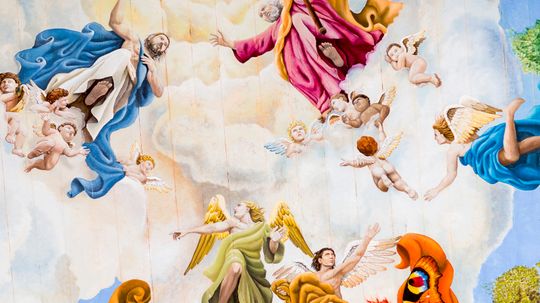
In Christian tradition, an archangel is among of the most revered and powerful spiritual beings in the celestial hierarchy. Mentioned directly in both the Old and New Testaments, these angels serve as messengers, protectors and agents of God's divine will.
By Mitch Ryan
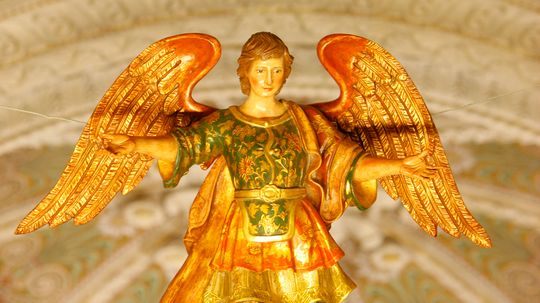
Archangel Gabriel is one of the most revered and influential figures in religious traditions across the world, often seen as a messenger of divine will and a guide to those seeking spiritual clarity.
By Karina Ryan
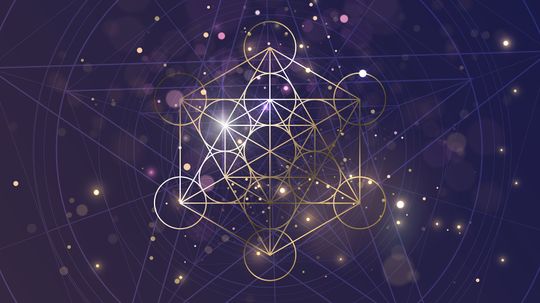
Metatron, angel and mediator between God and humanity, is one of the most mysterious and powerful figures in angelology.
By Mack Hayden
Advertisement
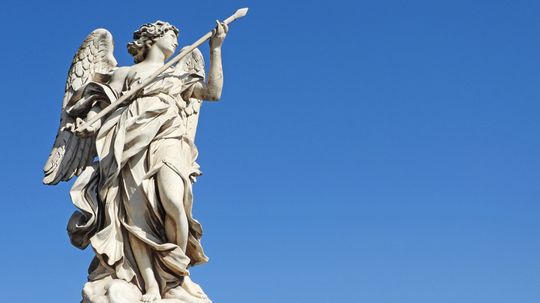
The Archangel Uriel is one of the seven angels who sit at the top of the heavenly food chain. He's one of seven archangels mentioned throughout Christian tradition. These archangels oversee God's legions of heavenly servants and help run the world as we know it.
By Mack Hayden
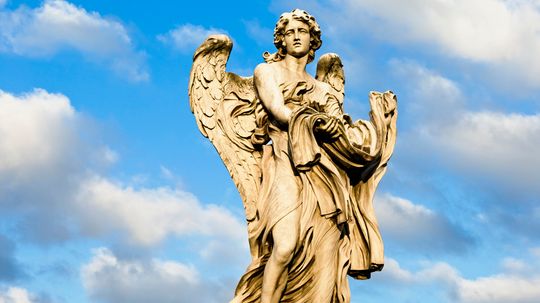
Archangel Jophiel, whose name means "Beauty of God," is said to emanate divine inspiration and wisdom, transforming negative emotions into positive energy. His energy encourages both inner and outer beauty, helping people cultivate not just physical grace but also a deeper sense of spiritual self.
By Mack Hayden
When you think of angels, you probably imagine beautiful beings with flowing white robes, gentle faces and perhaps a pair of wings. However, you might be surprised to learn that a biblically accurate angel can be a far cry from these modern depictions.
By Marie Look
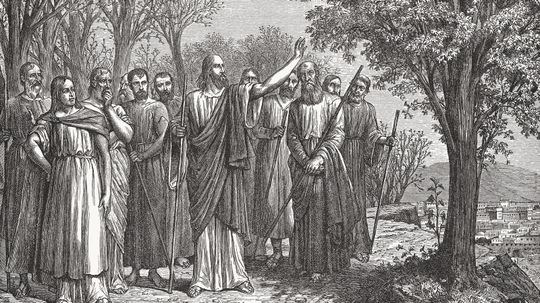
The New Testament is filled to the brim with symbolic acts, but the Christian messiah, Jesus of Nazareth, was a master of this tactic. Jesus answered the toughest philosophical questions with stories and miracles to help each follower find spiritual fruitfulness and lead a fruitful life.
By Mitch Ryan
Advertisement
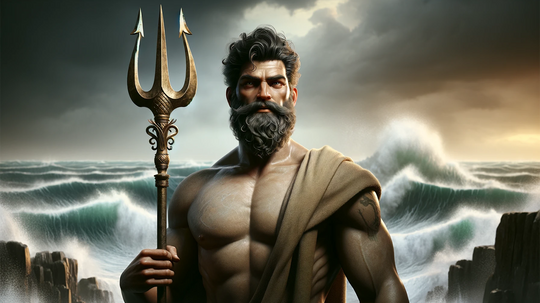
Poseidon, god of the sea, was an integral figure in ancient Greek mythology. Although the name Poseidon means "lord of the earth," this powerful god mostly controlled the oceans and waterways. The Aegean Sea fell and rose by his hand, and sailors prayed for mercy during every nautical voyage.
By Mitch Ryan
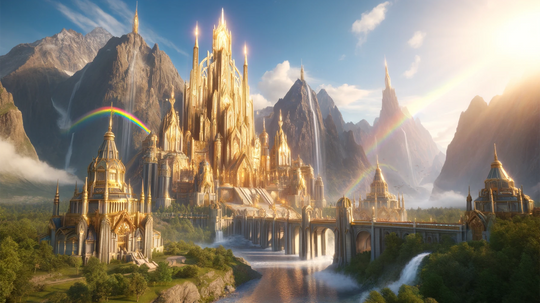
Unlike monotheistic religions based on the belief in an omnipotent, all-powerful overseer god who judges actions and determines justice in the mortal world, in Norse mythology, gods and goddesses were powerful entities that experienced human flaws, trials and conflicts.
By Mitch Ryan
The true appearance of Jesus Christ has been a topic of fascination and debate for centuries. Traditional Western art often portrays him with long, flowing hair, blue eyes and a beard, but these depictions are more reflective of European aesthetics than historical accuracy. This begs question: What did Jesus look like?
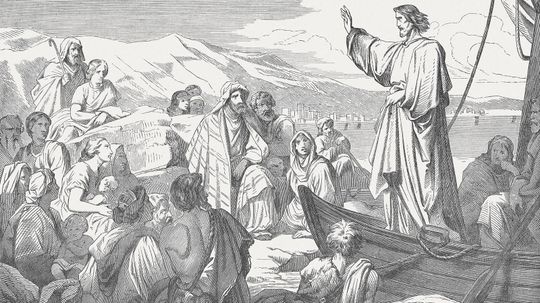
Have you ever wondered how the historical figure known as Jesus was actually referred to in his own time and place? Hint: It wasn't by that name.
Advertisement
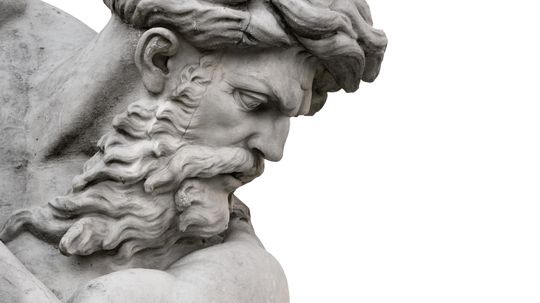
Roman gods reflected their diverse people, with Greek mythology forming the basis of Roman religion due to Greece's widespread geographical influence.
By Mitch Ryan
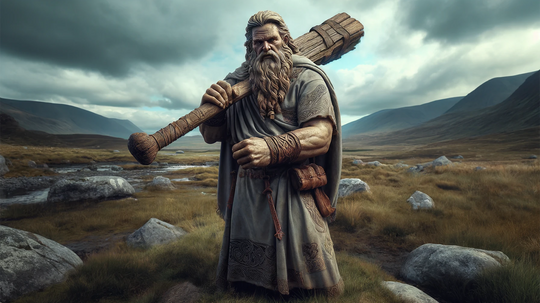
There was no singular overarching Celtic religion. As ancient Celts made their homes in widespread regions across Western Europe, they developed different Celtic gods and goddesses to fulfill their spiritual needs.
By Mitch Ryan
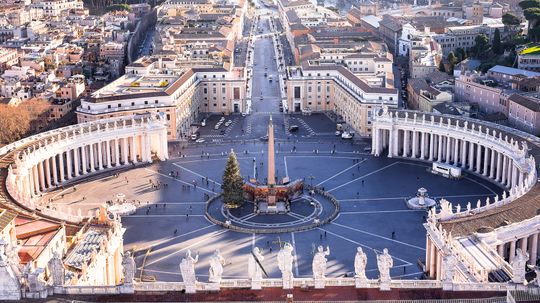
All squares are rectangles, but not all rectangles are squares; the same goes for the Catholic vs. Christian distinction. All Catholics are Christian, but not all Christians consider themselves Catholic.
By Mitch Ryan
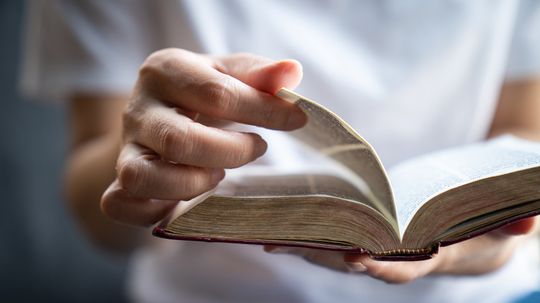
In the realm of religious literature, the Bible stands as one of the most influential in human history. Its words have shaped the beliefs and practices of millions worldwide. But amidst its teachings, a fundamental question persists: Who wrote the Bible?
By Yara Simón
Advertisement
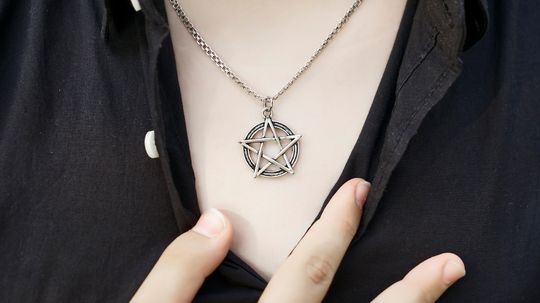
From the earliest appearance of the five-pointed star in ancient times to its former role as a Christian symbol, there are millennia of history surrounding the pentagram, meaning it's one of the oldest symbols in the world. The pentagram's significance has evolved, leaving an indelible mark on culture and spirituality.
Struggling to find your purpose? Your Life Path Number may hold the answer! Discover the unique gifts and talents you were born with and learn how to use them to create a fulfilling and meaningful life. Find your purpose now
By HowStuffWorks
Explore the depth of Master Numbers. Discover their unique symbolism, spiritual significance, and numerological impact.
By HowStuffWorks
Explore the world of Name Numerology. Discover insights into name meanings, personality traits, and destiny.
By HowStuffWorks
Advertisement
Delve into Chaldean Numerology's wisdom. Discover its unique insights, ancient roots, and numerological significance.
By HowStuffWorks
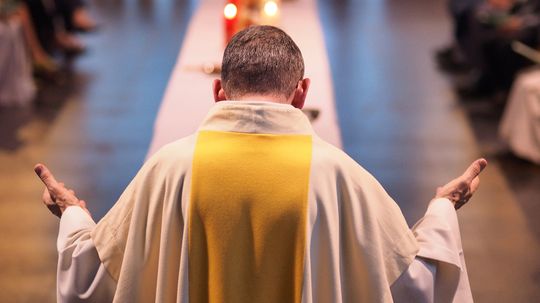
Explore the miraculous phenomenon of Incorruptible Saints, whose bodies defy decay after death. Dive into the history, significance, and mysteries surrounding these holy figures.
By Josh Clark & Talon Homer
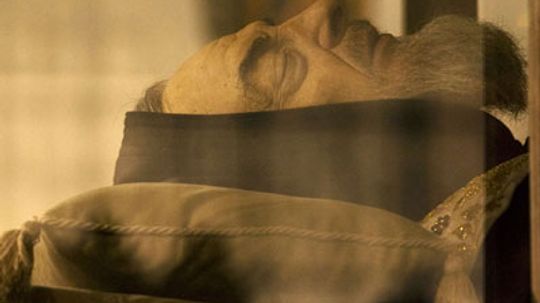
Incorruptible bodies -- corpses that don't decay -- are a scientific mystery. Read why incorruptible bodies are hard to explain and where to find them.
By Josh Clark
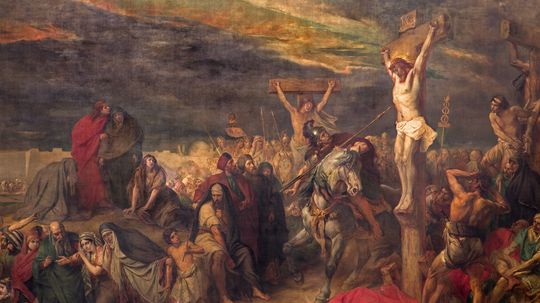
Jesus's death and resurrection are celebrated by Christians either in March or April (depending on the year) and there is no agreement as to the actual dates of the events. So, when do most scholars think Jesus died?
By Dave Roos
Advertisement
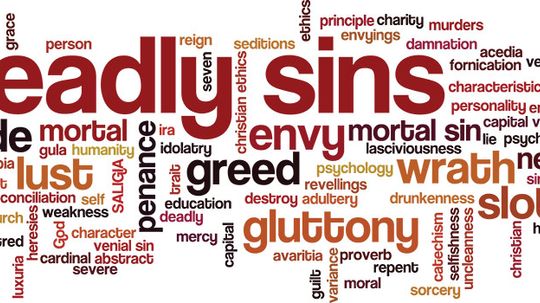
The seven deadly sins appear in movies, books, and art, but what are they, and who created the list?
By Dave Roos & Zach Taras
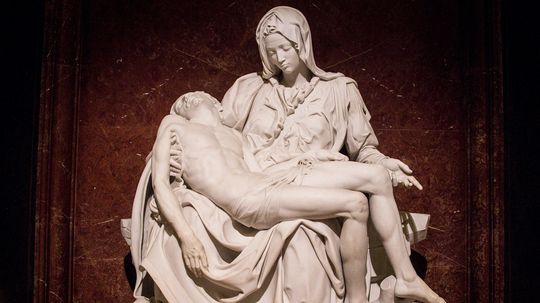
While 33 is often the "go-to" answer to the question of how old was Jesus when he died, many scholars doubt that age is accurate.
By Dave Roos