
Learning
The Learning channel contains all the materials you need to help you learn about math and other challenging subjects of study. Explore the fun and free learning materials in this section.
Learn More
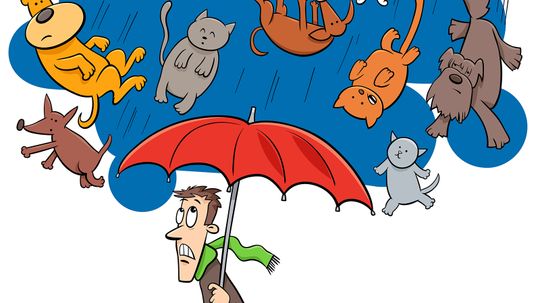
Hyperbole is an ancient Greek word that roughly translates to "go beyond." The many hyperbole examples you find in everyday speech align with this idea of going further than the truth to drive a point home.
By Mitch Ryan

Like other forms of figurative language, personification can make your writing more dynamic. By giving human qualities to inanimate objects, you can uniquely describe situations that will resonate with your reader.
By Yara Simón

Remembering the parts of speech can be tricky. It may have been a while since you took a grammar class, so you might appreciate a helpful tool for remembering coordinating conjunctions. These helpful little words can be brought to mind using the FANBOYS acronym, which stands for: For, And, Nor, But, Or, Yet, So.
By Zach Taras
Advertisement
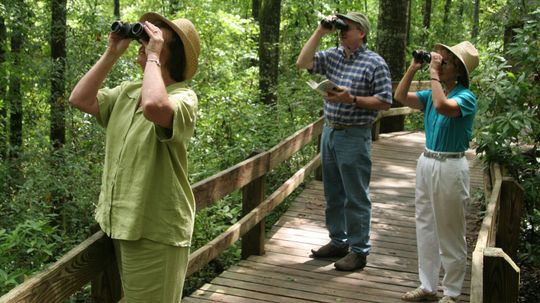
Here are four alternative venues where the general public can enjoy nature, engage in hands-on science learning and get a behind-the-scenes look at scientific research in action.

How long can seeds last underground and still be capable of germinating? One botanist set out to discover this 142 years ago, and his experiment is still running.

The coronavirus is forcing many parents to form at-home 'learning pods.' But who could potentially benefit from these and who could be left behind?
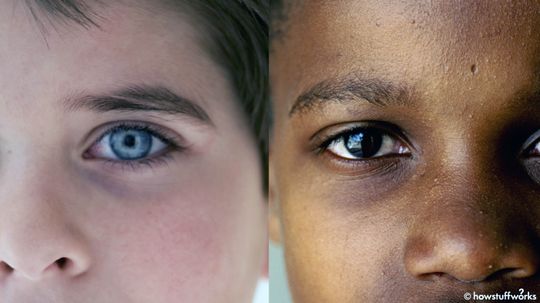
Jane Elliott has been exposing racist thinking for more than 50 years through her ground-breaking exercise using eye color. Some think her methodology is too harsh. She couldn't care less.
By John Donovan
Advertisement
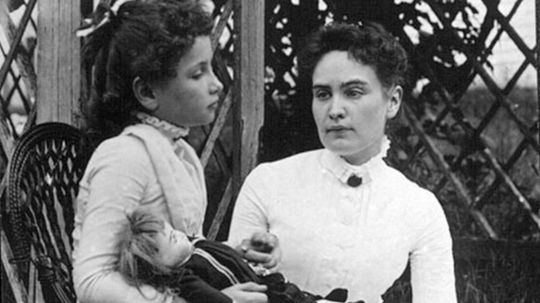
Deaf and blind from a fever as a baby, Helen Keller overcame her limitations to lead a life of inspiration and courage. How was she able to learn to communicate?
By John Donovan
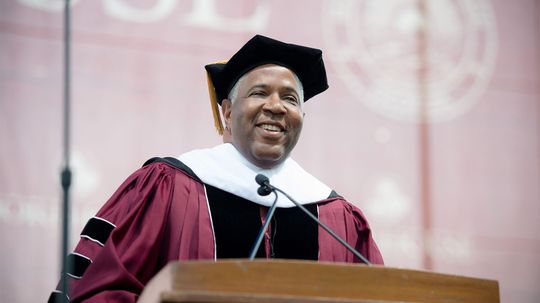
Fellow graduates, as you go forward and seize the day, we pause to consider some less-clichéd and far more memorable commencement speeches given over the years.
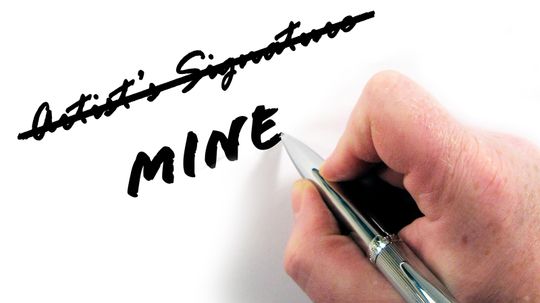
Defining plagiarism is not always cut-and-paste easy. But it usually involves deliberately passing off somebody else's original expression or creative ideas as one's own.
By John Donovan

Cramming for a test might help you pass, but it doesn't provide long-term learning and that's the problem.
Advertisement

The College Board wants AP World History courses to cover material from the year 1450 on. The rest, well, is history.
By John Donovan

Free kids books that come out of a vending machine? Yes, please!

Think you're a visual learner? How about auditory? Sorry, that's preference; education is best tailored to the subject matter, not the student.
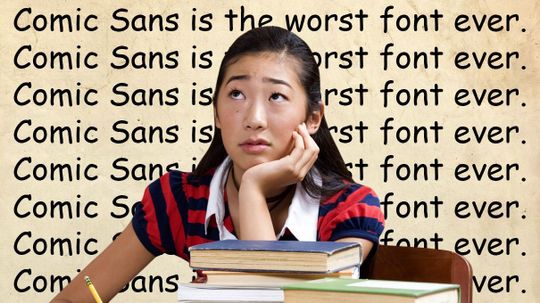
It might not be sophisticated, but some people with dyslexia say it's the only typeface they can read.
Advertisement

A new study pitted touch-typists against people using a hunt-and-peck style. Guess what they found.
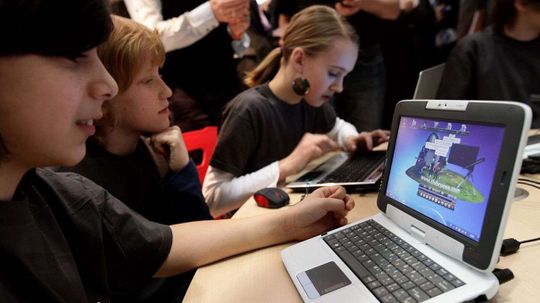
A solid education should include computer science and tech literacy. Kids who code develop skills for a digital economy, and also attitudes needed to succeed elsewhere.

Whether it's tag, jumping rope or playing with dolls, kids in every part of the world, and in every generation, play. Philosophers and psychologists say they do it for more reasons than just having fun. But the future of play may be in jeopardy.
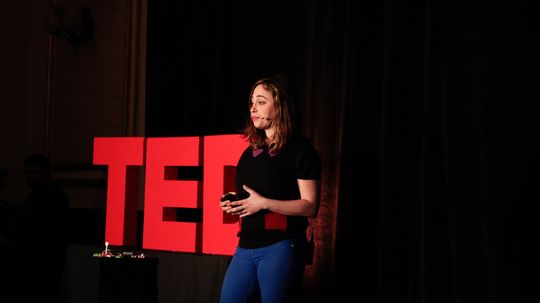
TED talks are so popular, they've been spoofed in commercials, with speakers sporting wireless headphones against a black background. At 18 minutes each, how did these talks go viral?
By Dave Roos
Advertisement

Seems like everybody in the world is signed up for a MOOC (massive open online course). But how many students actually finish their courses?
By Sara Elliott
Seems like lending out ebooks should be a relatively simple matter for most libraries. But often, it's not. What are the challenges ebooks pose for libraries?
By Sara Elliott

You have just finished that algebra MOOC from an Ivy League university. Awesome! But can you get college credit for your MOOC classes?
By Sara Elliott

Want to ace that test? Skip the all-nighter and hit the sack to boost memory and learning.
By Bambi Turner
Advertisement
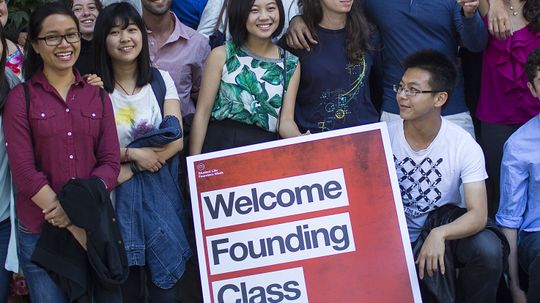
Education still mainly consists of an instructor talking to a group of students, the same as it's been for at least 1,000 years. But what if that model could be overturned for good? And we're not talking MOOCs but something much more personal.
By Beth Brindle
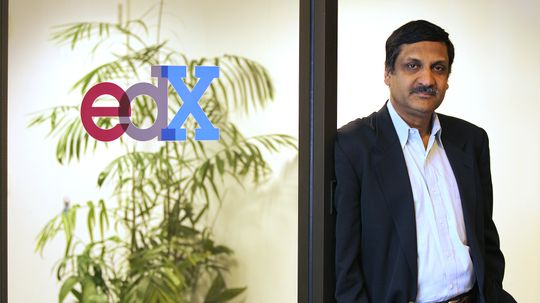
In 2012, MIT and Harvard joined forces to create edX, a nonprofit offering free online college classes from some of the world's top universities. How does it make money?
By Dave Roos