
History of the USPS
In colonial times, mail was simply delivered by friends, merchants and Native Americans. Because colonists needed to send mail back to England, the first official postal service was established in 1639 when the General Court of Massachusetts designated Richard Fairbanks' tavern in Boston as the official mail drop for overseas parcels [source: USPS]. Using a tavern for the mail may seem odd, but it was common in England for taverns and coffeehouses to be used as mail drops. Most local authorities began establishing their own routes between the colonies, but it was not until 1683 that William Penn established an official post office in Pennsylvania. In the South, private messengers, usually slaves, relayed mail between plantations.
A more centralized postal organization came about in 1691, when the British Crown gave Thomas Neale a 21-year grant for a North American postal service. In 1707, the British government bought the rights to the North American postal service and appointed local deputy postmasters general. This continued until 1774, when the colonists' dislike for British control led to the establishment of a constitutional postal service for intercolonial mail. The people paid for this service, and all revenues went into its improvement.
Advertisement
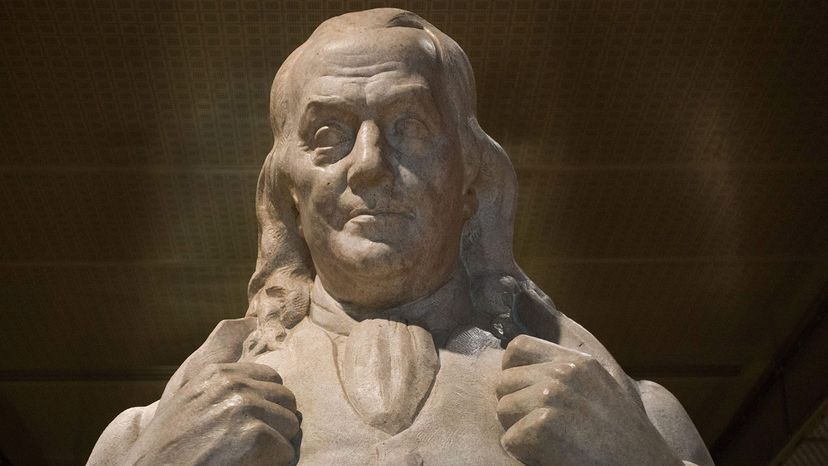
The Boston riots in 1774 led to the creation of the Continental Congress and the beginnings of an independent government. In 1775, the Continental Congress appointed Benjamin Franklin as the first postmaster general, in charge of the newly created Post Office Department. Franklin had proven his abilities when he was appointed postmaster general in Philadelphia in 1737 and had brought new organization, speed and reliability to the service.
Between 1790 and 1860, the number of post offices increased from just 75 to 24,498. By 1819, the Post Office Department served people in 22 states, and a letter went from Washington D.C., to Nashville, Tennessee, in just 11 days.
Carriers initially transported the mail by foot and on horseback, then moving to stagecoaches, rail, cars and trucks — and ultimately to airplanes. Those early days of mail delivery resulted in huge improvements to the country's system of roads. Local governments also extended and improved their existing highways to help the new mail service called rural free delivery (RFD). The most celebrated form of mail delivery was the Pony Express.