Representative Democracy: How It Started and How It's Going

By: Lena Thaywick  | 
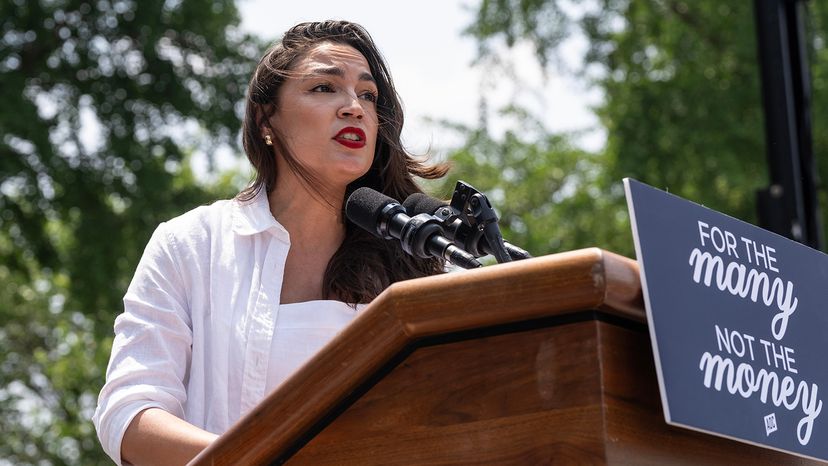
"For the many, not the money." lev radin / Shutterstock

In a representative democracy, citizens elect representatives to make political decisions on their behalf rather than voting on every law directly. This system of government shapes democratic government in many countries today, from local level councils to the federal government.

Think of it like choosing a team captain. Instead of everyone calling plays at once, eligible voters select leaders who speak with a public voice for the group.

Advertisement

That choice defines the democratic process and explains why representative democracy allows large populations to function inside a single political system.

How Representative Democracy Works

Representative democracy works when people elect representatives through periodic elections. Eligible voters cast ballots, and the electoral system determines who holds authority for the next term. Those elected officials then use political power to write laws, set policy decisions and manage public life.

This structure depends on representative institutions such as legislatures and parliaments. Political parties organize candidates, shape platforms and often expect elected representatives to vote the party line.

Advertisement

The system assumes political representation works best when leaders act on behalf of the population rather than their own will.

Representative Democracy vs. Direct Democracy

Direct democracy takes a different route. In that model, citizens engage in direct participation and vote on laws themselves.

Ancient Athens and some modern systems used referendums, but frequent elections and constant direct participation become impractical as populations grow.

Advertisement

Representative democracy solves that scale problem. Political scientists often point out that modern democracies rely on elected representatives because millions of people cannot realistically debate every issue.

Deliberative democracy still values citizen participation, but it emphasizes fair and reasonable discussion and debate among citizens.

Advertisement

Historical Roots and the Constitution

The idea of representation did not start in modern times. The Roman Republic used elected magistrates, the Senate, and popular assemblies to balance power among different groups. That history influenced later democratic institutions in Europe and the United States.

In the U.S., James Madison and Alexander Hamilton argued for representation in the Constitution. In Federalist No. 10, Madison warned that direct democracy could let one group dominate minorities. Representation, he argued, protects popular sovereignty while reducing the risk of harmful majority rule.

Advertisement

Representative Democracy in the Modern World

In the 21st century, representative democracy appears in various forms. The United Kingdom uses a parliamentary system where voters elect representatives and the prime minister emerges from that body. Other countries elect a president separately while still relying on legislatures to write laws.

Across many countries, common features remain. Citizens pay taxes, follow laws, and influence government mainly through elections.

Advertisement

Low voter turnout can weaken political representation, while high participation strengthens the democratic system. Each election renews the link between leaders and the people they represent.

We created this article in conjunction with AI technology, then made sure it was fact-checked and edited by a HowStuffWorks editor.

Advertisement

Advertisement

Loading...