The Origins of Yoga: Spirituality, Meditation, and Wholeness

By: Lena Thaywick  | 
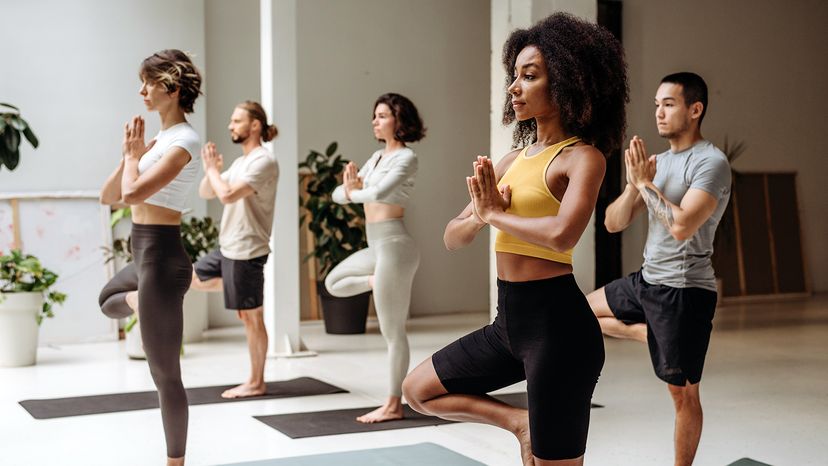
The history of yoga goes back well over one thousand years. Pand P Studio / Shutterstock

The word yoga comes from the Sanskrit root "yuj," meaning "to join or unite." In its earliest sense, it referred to the union of individual consciousness with universal consciousness. But the origins of yoga are far more complex than a single definition or set of poses.

Yoga is an ancient practice that has evolved over millennia, weaving together physical postures, spiritual discipline, and meditative techniques into a rich tapestry of self-realization.

Advertisement

Yoga and the Vedic Age

Yoga began in ancient India, with roots tracing back to the Vedic age. Priests composed over a thousand hymns in praise of divine forces, and these early texts hinted at yogic practices like breath control and concentration.

The ancient sacred texts called the Vedas laid the foundation, but it was later texts like the Upanishads and the Bhagavad Gita that deepened yoga’s spiritual aspects.

Advertisement

Classical Yoga and the Eight Limbs

Around the fourth century C.E., Patanjali composed the Yoga Sutras, a guidebook for spiritual practice and self-discipline. This work marks the start of classical yoga.

Patanjali's Yoga Sutras describe yoga as an eightfold path: ethical guidelines, physical postures (asana), breath control (pranayama), withdrawal of the senses, concentration, meditation, and finally, samadhi—a state of blissful absorption.

Advertisement

Though the Yoga Sutras say little about physical poses, they emphasize meditative postures and inner control. The practice of yoga, according to this text, was meant to lead to inner peace and ultimately, liberation.

Hatha Yoga and the Body

yoga
When done properly, Hatha yoga is much more difficult than it looks. Planter Studio / Shutterstock

By the 11th century C.E., the focus of yoga shifted again. Tantric yoga traditions introduced new techniques emphasizing the body as a tool for spiritual development. The Hatha Yoga Pradipika, written in the 15th century, outlined physical postures, breath control, and purification practices.

This was the birth of what many people now think of as traditional yoga practice. Hatha yoga emphasized intense practice and physical discipline to awaken energy centers in the body. It brought the physical aspect of yoga into sharper focus, setting the stage for contemporary yoga practices.

Advertisement

The Modern Yoga Renaissance

In the late 19th and early 20th centuries, Indian yogis like Swami Vivekananda brought yoga philosophy to the West. Vivekananda emphasized jnana yoga (the yoga of knowledge) and karma yoga (the yoga of action), introducing spiritual practices that could be applied to everyday life.

At the same time, hatha yoga and other physical practices gained popularity. By the 1920s and 1930s, yoga teachers in India were developing systems that combined physical abilities with mental health benefits. These systems were taught in schools and eventually made their way into the western world.

Advertisement

Institutions like The Yoga Institute—the oldest organized yoga center, founded in 1918—played a key role. Many other Indian yogis helped spread yoga across the globe, teaching yoga classes and translating yogic texts.

Publications like Yoga Journal and scholarly presses such as Oxford University Press helped establish yoga’s credibility in the West.

Advertisement

Yoga Today

yoga
Today's yoga techniques emphasize both physical and mental well-being. sashafolly / Shutterstock

Today, yoga leads millions of people toward better physical and mental health. From demonstrating yoga on social media to practicing meditation in silence, modern yoga is diverse and widespread.

Contemporary yoga practices often focus on the physical practice—yoga poses, breathing exercises, and stress relief.

Advertisement

Still, the spiritual discipline of traditional yoga survives. Whether it’s a casual yoga class or an intense retreat, people continue to seek inner peace, self-awareness, and a meaningful life through yoga. As busy lives demand balance, the practice of yoga offers a time-tested path toward wholeness.

We created this article in conjunction with AI technology, then made sure it was fact-checked and edited by a HowStuffWorks editor.

Advertisement

Advertisement

Loading...