Leftist vs. Liberal: Nuanced Differences in Political Philosophies

By: Lena Thaywick  | 
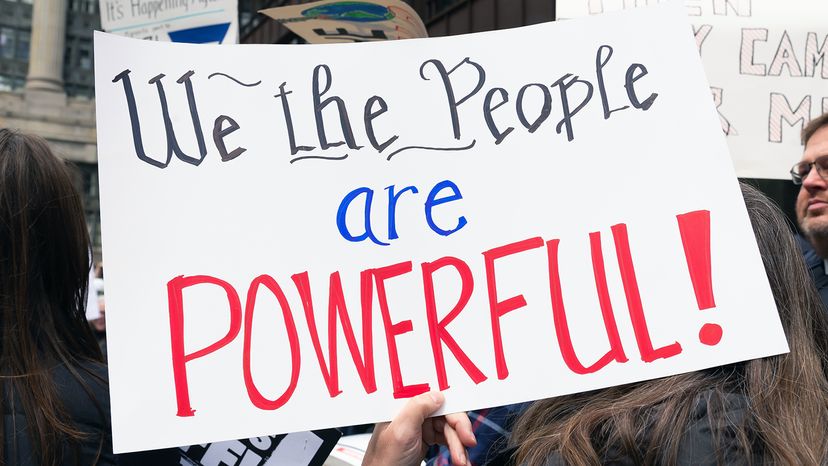
Left-wing politics are a spectrum, but the different points on the spectrum still share certain beliefs. Eddie J. Rodriquez / Shutterstock

People often use "leftist" and "liberal" like they mean the same thing. But in political science, that’s a bit like calling all rectangles squares. The ideas, goals, and methods of leftist vs. liberal politics differ in important ways.

In U.S. political discourse, liberals tend to support the Democratic Party, while leftists often critique it from the outside. Understanding the distinction helps clarify debates around social issues, class conflict and systemic change.

Advertisement
Left Wing, but Not the Same

sign
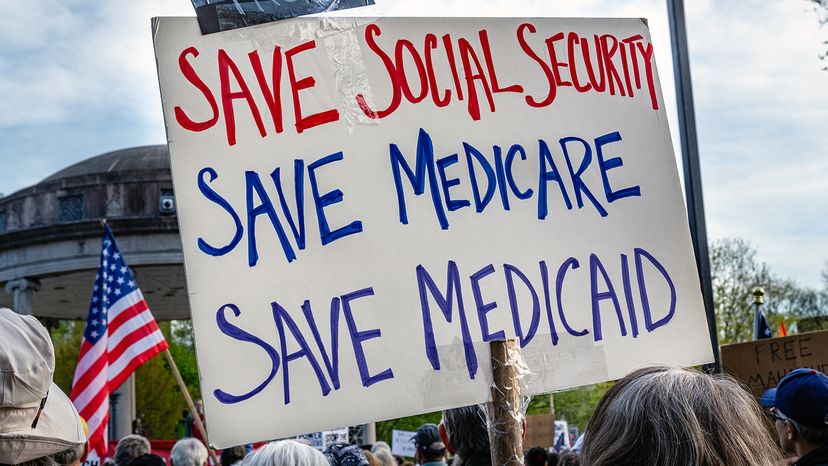
Left-wing politics favor equitable treatment and social progress. Heidi Besen / Shutterstock

Both liberals and leftists fall on the left wing of the political spectrum. They support social progress, civil rights, and a more equitable society. But that’s where the overlap ends.

Liberal Politics

Liberals support capitalism, though they often favor regulation, environmental protection and a stronger social safety net. Think social liberalism or modern liberalism—policies like universal healthcare, gun control and a higher minimum wage. These ideas align with center-left or left-leaning politics.

Advertisement

Leftist Politics

Leftists, on the other hand, often advocate for more radical change. Their vision includes anti-capitalism, collective ownership or even a stateless society. Leftist thought draws from socialist, anarchist, and Marxist critiques of the capitalist system.

Advertisement

Political Philosophy and the Status Quo

Liberals usually work within the existing system. They aim to improve it through reform. Leftists want to change the system entirely.

In political philosophy terms, liberals are reformists, and leftists are revolutionary.

Advertisement

A liberal might support a mixed economy with private property and free enterprise under government oversight. A leftist might push for popular or state control of major industries, or reject capitalist ideology altogether.

Social democrats fall somewhere in between: They blend capitalist economies with strong welfare states.

During the Cold War, these differences became especially clear. American liberals tried to distance themselves from communists and other leftists. That legacy still affects how people talk about political terms today.

Advertisement

Who Are the Political Figures?

Alexandria Ocasio-Cortez
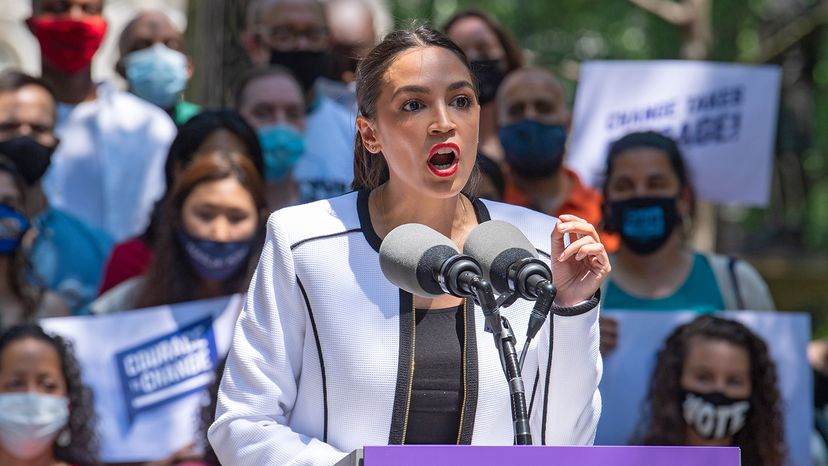
Representative Alexandria Ocasio-Cortez endorses progressive New York City Council candidates at a rally outside City Hall in 2021. Ron Adar / Shutterstock

In American politics, liberals include mainstream Democrats and social liberals who favor civil liberties and religious freedom. Think Barack Obama, Hillary Clinton, or Joe Biden.

Leftists often identify with labor leaders, democratic socialists, or even members of the Communist Party. Think Bernie Sanders, Angela Davis, or Alexandria Ocasio-Cortez, depending on the issue.

Advertisement

Classical liberals, like John Locke or Adam Smith, aren’t part of this modern divide. They emphasized individual rights and limited government—ideas that influence both sides in different ways.

What About Political Tactics?

Liberals and leftists also differ in how they seek change. Many liberals focus on legislation, elections and peaceful protest. Leftists might support direct action, worker strikes or civil disobedience. Some embrace political violence in extreme cases, though most do not.

Social movements like Black Lives Matter or climate activism attract both liberals and leftists, but often for different reasons. Liberals focus on policy and inclusion. Leftists look at power dynamics, class struggle and the roots of inequality.

Advertisement

A Spectrum, Not a Binary

The left-right political spectrum isn’t a straight line. It’s more like a web of overlapping ideas. Some social democrats consider themselves leftists, others lean liberal. Identity politics, anti-imperialism, and climate change responses can blur these lines further.

So when people debate leftist vs liberal, they’re really talking about how far left a person wants to go: reform or revolution, working within the system or outside it.

Advertisement

Either way, both play a role in shaping the society we live in.

We created this article in conjunction with AI technology, then made sure it was fact-checked and edited by a HowStuffWorks editor.

Advertisement

Advertisement

Loading...