Russian Christmas Traditions: Jan. 7, Nativity Fast (Not Feast!) and More

By: Lena Thaywick  | 
Christmas in Russia includes a lot of familiar traditions, as well as some that may be new to you. PhotoJuli86 / Shutterstock

The holiday season in Russia holds a rich blend of faith, folklore, and festivity. Russian Christmas traditions reflect the deep roots of Orthodox Christian customs, folk beliefs, and even Soviet-era influences.

From Christmas Eve meals to the arrival of Grandfather Frost, the way Russians celebrate Christmas offers a unique look at one of the world’s most enduring holiday cultures.

Advertisement
1. Christmas Celebrated on January 7

Due to the Julian calendar followed by the Russian Orthodox Church, Orthodox Christmas is celebrated on January 7, rather than December 25. Many Russians attend Christmas Mass or the Divine Liturgy on this day, marking it as a solemn and religious holiday.

Advertisement

2. The Nativity Fast and Holy Supper

stars
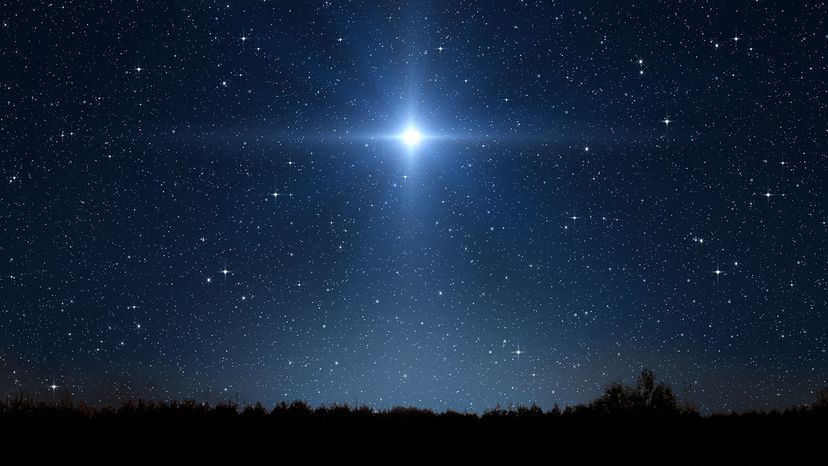
The Nativity Fast ends when the first star appears in the sky on Christmas Eve. assistant / Shutterstock

Leading up to Christmas, many Orthodox Christians observe a strict fast known as the Nativity Fast, which lasts for 40 days.

On Christmas Eve, families break the fast with a Holy Supper of 12 meatless dishes, symbolizing the Twelve Apostles. These include lenten bread, pickled mushrooms, poppy seeds, dried fruit, and vegetable-filled dishes.

Advertisement

The meal is served after the first star appears in the evening sky, representing the Star of Bethlehem. A white tablecloth is traditionally laid, often with a layer of straw beneath to honor the manger.

3. Grandfather Frost and the Snow Maiden

Instead of Santa Claus, Russians have Grandfather Frost (Ded Moroz) and his granddaughter, the Snow Maiden (Snegurochka). Unlike Western Santa, Grandfather Frost traditionally appears on New Year’s Eve, bringing gifts to children alongside the turning of the calendar.

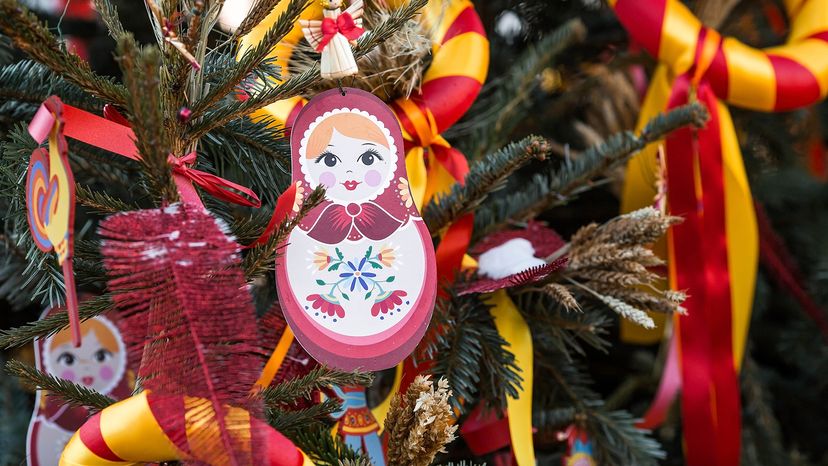
During the Soviet era, Christmas celebrations were discouraged, and New Year’s became the primary winter holiday. The tradition of giving gifts and decorating a Russian Christmas tree (or New Year tree) shifted to New Year’s celebrations, but the figures of Grandfather Frost and the Snow Maiden remain beloved.

Advertisement

4. Christmas Fortune-Telling

Among the unique Christmas traditions are fortune telling customs practiced especially by young women.

To predict a future husband, women would perform rituals like tea leaf reading or coffee grounds divination. Some traditions involved wearing only their nightgowns and letting their hair loose to dream with intention.

Advertisement

These customs reflect remnants of Russian folklore and pre-Christian beliefs that survived alongside Orthodox Christian traditions.

5. Decorations and Nativity Scenes

nativity scene
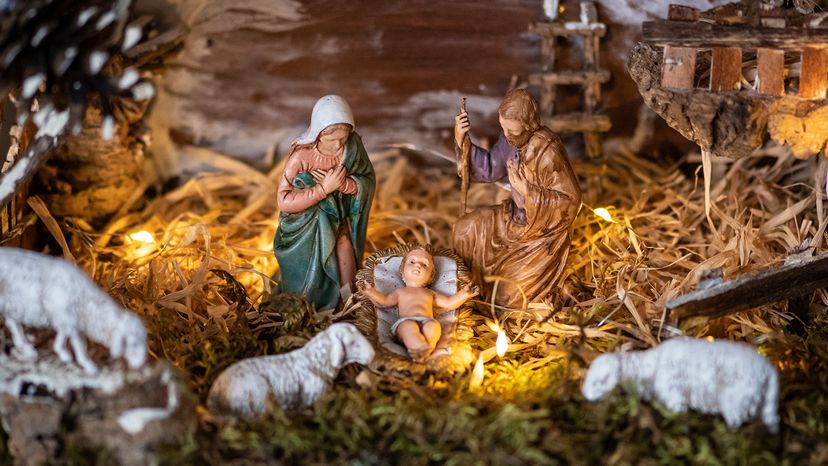
Many Russian Christmas traditions will be be familiar to Western observers, including Nativity scenes like this one. Michele Ursi / Shutterstock

Russians decorate their homes with Christmas decorations, including lights, Nativity scenes, and colorful baubles. Though banned during parts of the Soviet Union, these traditions re-emerged after the fall of the USSR and are now widely embraced.

The Russian Christmas tree is often set up for both Christmas and New Year's, bridging the two celebrations.

Advertisement

We created this article in conjunction with AI technology, then made sure it was fact-checked and edited by a HowStuffWorks editor.

Advertisement

Loading...