The Krampus Legend Puts a Dark Twist on Christmas

By: Lena Thaywick  | 
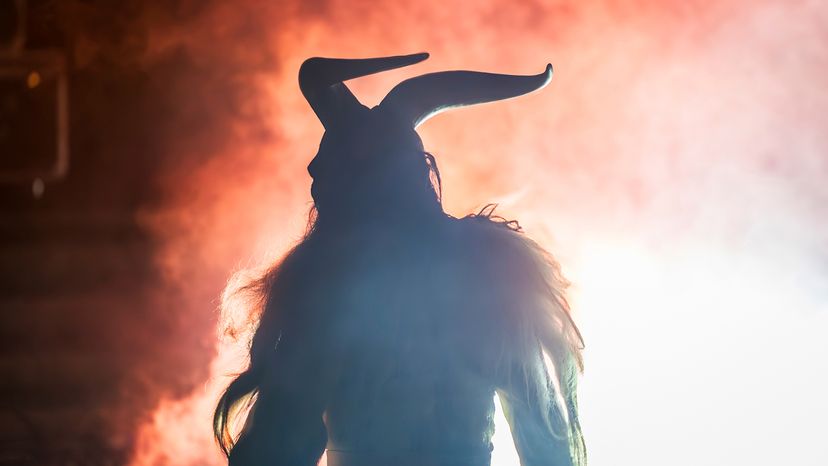
Have you been naughty or nice this year? Nicola Simeoni / Shutterstock

The Krampus legend isn't your typical Christmas tale. This half-goat, half-demon figure from Alpine folklore puts a chilling spin on the holiday season.

While Santa Claus rewards good children with gifts, Krampus punishes the naughty ones—sometimes with birch sticks, sometimes with worse.

Advertisement
Where Does Krampus Come From?

Krampus comes from the German word "krampen," meaning "claw," and he's a deeply rooted mythical figure in the Alpine region, especially in Austria and Germany.

Long before the spread of Christianity, winter solstice festivals in Central Europe included devilish figures who symbolized chaos and punishment.

Advertisement

As the Catholic Church spread, it absorbed and reshaped many pagan rituals. The Krampus legend became intertwined with Christian elements, particularly around the feast of Saint Nicholas, celebrated on December 6th.

Saint Nicholas and Krampus Night

krampus
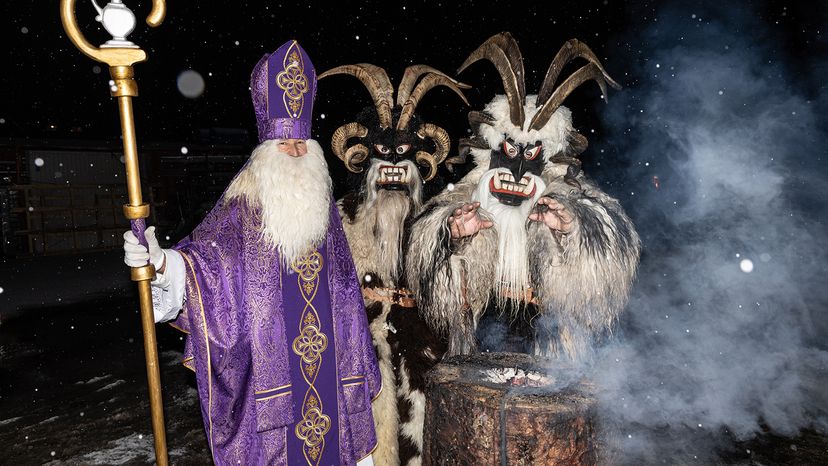
Krampus brings dark where St. Nicholas brings light. Guzel.at / Shutterstock

Traditionally, Krampus appears on the night of December 5th, known as Krampus Night or "Krampusnacht."

While Saint Nicholas visits well-behaved children with modest gifts and treats, Krampus visits the naughty children, carrying chains, bells, and birch branches. Some legends say he drags misbehaving children to the underworld.

Advertisement

The next day, Nicholas Day, is for celebrating the good children. This pairing reflects a balance between reward and punishment, a concept deeply ingrained in both pagan and Christian traditions.

Modern Celebrations and Revival

krampus
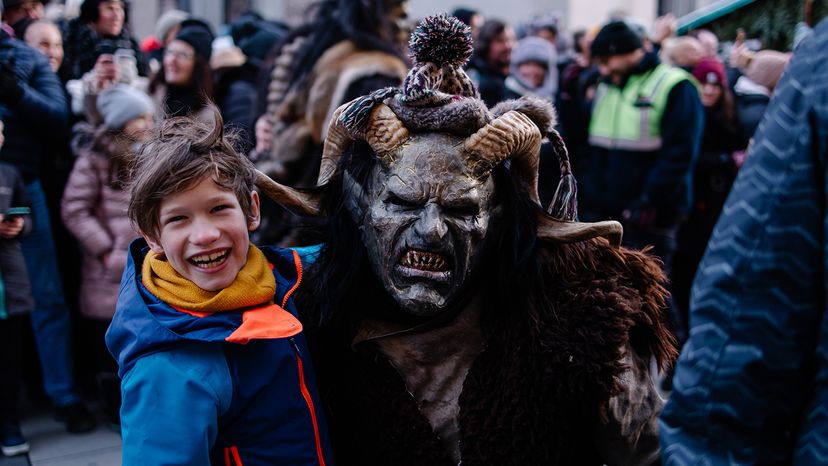
Nowadays, children gleefully post with Krampus figures that are only playfully threatening. Da Antipina / Shutterstock

Krampus celebrations have made a comeback in recent decades.

In many cities across Austria, Germany, and even the U.S., people dressed in fur suits, long horns, and hand-carved wooden masks participate in a Krampus run, or "Krampuslauf." This parade often involves loud bells and playful threats to onlookers.

Advertisement

These events are both a nod to history and a modern spectacle. Krampus has become an increasingly popular figure during the holiday season, offering a darker, more mischievous counterpoint to the white-bearded Santa.

Folklore, Fear, and Fun

Though rooted in fear, the Krampus tradition is now more fun than frightening. The anthropomorphic figure with cloven hooves and a devilish appearance may look terrifying, but he's celebrated today as part of a rich cultural tapestry.

From pagan festivals to Christmas lights and greeting cards with "Gruß vom Krampus" (Greetings from Krampus), the legend continues to evolve. In some regional traditions, a female figure or witches may accompany Krampus, adding further depth to the mythology.

Advertisement

Krampus in Pop Culture

Krampus has crossed into popular culture, with appearances in horror movies, comic books, and holiday merchandise. His resurgence reflects a growing interest in the alternative side of Christmas and a desire to explore the shadow behind the sparkle.

Whether you're in Europe or America, spotting Krampus during the holidays has become part of the festive experience—a little scare mixed in with the cheer.

Advertisement

We created this article in conjunction with AI technology, then made sure it was fact-checked and edited by a HowStuffWorks editor.

Advertisement

Loading...