Black Peter, aka Zwarte Piet, Becomes 'Soot Piet' Amid Controversy

By: Lena Thaywick  | 
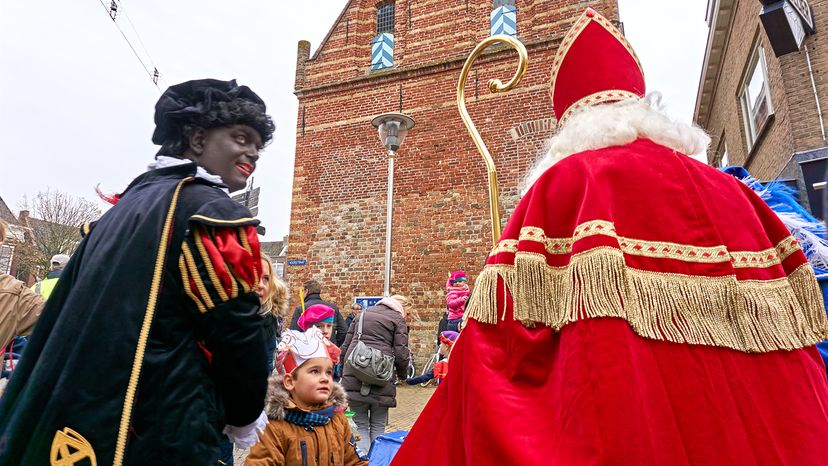
The Zwarte Piet tradition has evolved to avoid racial stereotypes. Dutchmen Photography / Shutterstock

The story of Black Peter (Zwarte Piet) is one of the most debated traditions in Dutch society today.

Once a fixture of Dutch folklore and Saint Nicholas Day (Sinterklaas) celebrations, Black Pete has become a flashpoint for discussions about race, cultural heritage, and evolving values in modern Europe.

Advertisement

The Origins of Zwarte Piet

Black Peter, or Zwarte Piet, first appeared in the 19th century as the companion of Sinterklaas (Saint Nicholas), a holy man celebrated in the Netherlands each December.

Unlike Santa Claus at the North Pole, Sinterklaas arrives by boat from Spain and is traditionally accompanied by one or more Black Petes.

Advertisement

Early depictions showed Black Pete as a black servant or "zijn knecht," often portrayed by white actors in full blackface, curly wigs, red lipstick, and gold earrings.

Some legends linked Zwarte Piet’s origins to Odin’s two black ravens, Huginn and Muninn; others traced him to an enslaved Ethiopian man liberated by St. Nicholas or a devilish figure compelled to serve the saint.

These varying origins reflect the mix of folklore, Christianity, and colonial history that shaped the character.


Advertisement

The Role in Dutch Celebrations

For decades, Zwarte Piet helped Sinterklaas deliver gifts to good children and threatened naughty kids with a large bag—sometimes said to be used to carry bad children to Spain. Dutch children left shoes out for Sinterklaas and received candy or small gifts from Black Pete if they had behaved.

The tradition, once widely accepted and beloved in Dutch culture, became increasingly controversial as people began questioning its racial overtones and connections to slavery and minstrel shows.

Advertisement

Controversy and Cultural Shift

christmas
Sinterklaas and Zwarte Piete are not beating the allegations here. Not a good look. Harry Wedzinga / Shutterstock

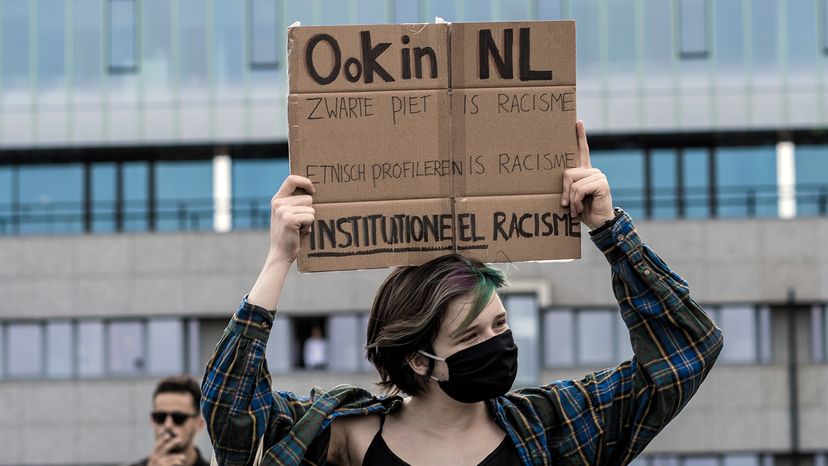
In recent years, the Black Pete tradition has sparked widespread protest and global attention. Critics argue that the character reinforces racist stereotypes about Black people and African descent.

Activists like Mitchell Esajas and movements such as "Kick Out Zwarte Piet" have called for reform or elimination of the figure.

Advertisement

Defenders of the tradition say it's a harmless part of Dutch folklore with no racist intent. However, international pressure and growing awareness have led to changes.

Many schools and municipalities now feature Soot Piet, a version with soot smudges instead of full blackface—suggesting Pete got dirty from climbing down chimneys.

Advertisement

The Debate in Modern Dutch Society

protester
Protesters argued that it wasn't appropriate for Zwarte Piet cosumtes to resemble an Ethiopian slave or any other Black person. Valid. Fibs.Z / Shutterstock

The debate over Zwarte Piet touches on broader issues in Dutch society, including integration, racial discrimination, and the legacy of colonialism.

The character's defenders include some who see the controversy as political correctness gone too far. Their opponents see it as a necessary reckoning with outdated and offensive practices.

Advertisement

Events involving Black Pete have seen protests, counterprotests, and clashes with police. Overzealous football fans, for instance, have clashed with anti-Pete demonstrators, highlighting how deeply emotional and divisive the issue has become.

The Future of Black Pete

Although the tradition remains in flux, the trend is clearly shifting. Public broadcasters and major parades have adopted less controversial versions, and younger generations are more likely to support change.

While some Dutch people continue to support the classic version, many recognize the need to adapt to a more inclusive understanding of national identity.

Advertisement

In this way, Black Peter represents more than a holiday figure. He embodies the tensions between tradition and progress, identity and inclusion, history and accountability.

We created this article in conjunction with AI technology, then made sure it was fact-checked and edited by a HowStuffWorks editor.

Advertisement

Advertisement

Loading...