Argentina, Christmas Traditions, and Holidays in the Southern Hemisphere

By: Lena Thaywick  | 
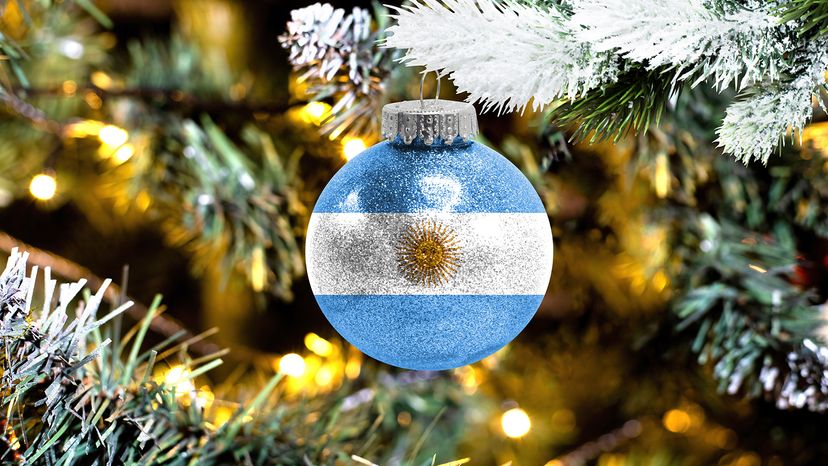
Christmas looks a little different south of the equator. Ketanof / Shutterstock

In Argentina, Christmas comes at the height of summer. That flips many traditional winter holiday expectations on their head.

From fireworks to fruit salad, Argentina Christmas traditions reflect the country's blend of European roots and South American flair.

Advertisement
1. Christmas Eve Is the Main Event

Argentines celebrate Christmas on December 24, not 25. Most families gather on Christmas Eve for a late-night feast, and the real party starts after midnight.

Many Argentines attend "Misa de Gallo," or midnight mass, before returning home to enjoy fireworks, exchange gifts, and celebrate well into the early hours of Christmas morning.

Advertisement

2. The Christmas Tree Goes Up Early

The holiday season kicks off on December 8, the Day of the Immaculate Conception. This date marks the start of Christmas decorating across the country.

While artificial trees are most common, many Argentine families add cotton balls to mimic snow and use colored lights to brighten up their homes.

Advertisement

In public spaces and shopping centers, decorations start early and often include Nativity scenes. These "pesebres" highlight baby Jesus and the three kings, and are just as common as Christmas trees.

3. Papa Noel Brings the Gifts

Santa Claus exists in Argentina, but he's called Papa Noel. Children write letters to him and may leave shoes out to be filled with presents.

Unlike in some South American countries, where the three kings bring gifts, many Argentines receive their presents on Christmas Eve, right after midnight.

Advertisement

4. Fireworks Light Up the Sky

fireworks
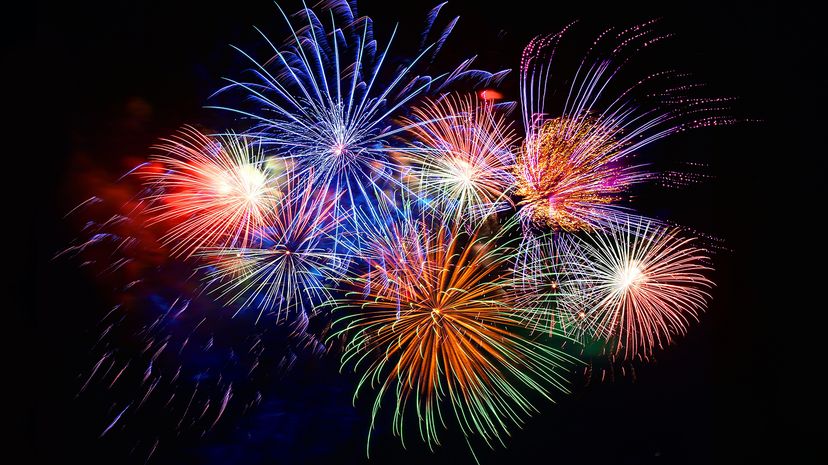
Midnight fireworks on Christmas Eve? Sign us up! iamlukyeee / Shutterstock

Forget sleigh bells; Argentine Christmas is celebrated with fireworks. At midnight on Christmas Eve, the sky lights up over cities like Buenos Aires and Mar del Plata. The fireworks symbolize joy and celebration and are as central to the night as food and gifts.

Advertisement

5. Food Is a Cold Affair

Because it's summer, traditional dishes in Argentina are often cold. Think roasted turkey served chilled, stuffed tomatoes, and salads, accompanied by bread and pan dulce. Pan dulce, a sweet treat similar to Italian panettone, is a holiday staple.

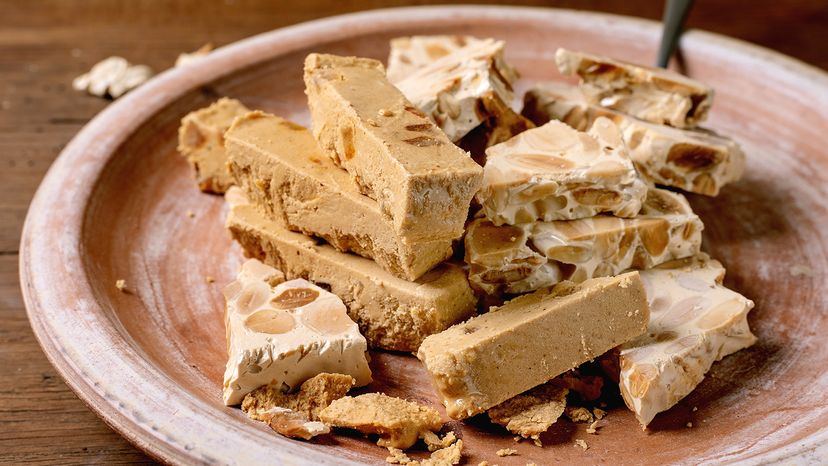
Many families also enjoy fruit salad and turrón, a semi-soft nougat with nuts or chocolate chips.

Advertisement

6. Christmas Day Is for Rest and Leftovers

After the all-night celebration, Christmas Day is more relaxed. Families sleep in, eat leftovers, and spend time together. There may be a second meal with loved ones, but it’s less formal than the Christmas Eve feast.

Advertisement

7. Shopping Starts Early, Ends Late

Like in many countries, Christmas shopping is a big part of the holiday season.

In Argentina, shopping centers are packed in December, especially during the week leading up to Christmas. Some people wait until the last minute to buy gifts, adding to the festive chaos.

Advertisement

8. Holiday Desserts Steal the Show

sweet
Turrón is a sweet, nutty treat. Natasha Breen / Shutterstock

Pan dulce and turrón aren’t the only stars. Argentine celebrations feature a wide variety of sweet treats. From chocolate-covered nuts to dried fruits and desserts made with dulce de leche, dessert tables are serious business.

Advertisement

9. The Season Continues Through New Year’s Eve

The festive season doesn’t stop at Christmas. New Year’s Eve is celebrated with another big meal, fireworks, and time spent with family and friends.

Some traditions carry over—like cold dishes and sweet bread—keeping the spirit of the season alive into January.

Advertisement

We created this article in conjunction with AI technology, then made sure it was fact-checked and edited by a HowStuffWorks editor.

Advertisement

Loading...