Feng Shui Uses

feng shui expert
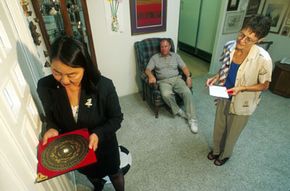
The Eng Koon/Getty Images
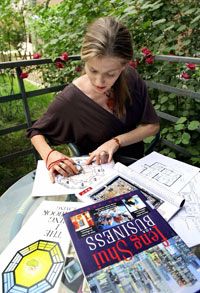
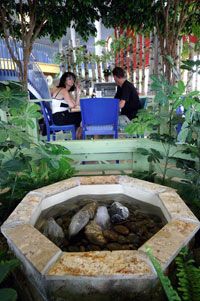
Feng shui expert Dana Elaviv at her home in Beijing

­Once again, depending on whom you ask, feng shui can be applied strictly to ar­chitecture and design -- or it can pertain to anything from choosing your house site to increasing your wealth or choosing the name of your business.

Architecture and city planning
Architecture and city planning were clearly a part of the origins of the Chinese tradition. The basic premise is that our homes and offices should be built with nature rather than against it.

In city planning, grids with courtyards at the center of town allow the chi to move without "rushing" it.

In architecture, a horseshoe-shaped structure, with the entrance facing a courtyard, allows chi to flow in. According to the Form School, a house should be built on slightly elevated ground with its back protected from the wind by trees, another building or earth (like a hill). Building on a dead-end street or an irregular piece of land is not desirable because it stops the energy from flowing. A rectangular plot of land is ideal.

Offices
The earliest adopters of feng shui in the West were hospitals, and businesses have been quick to follow. Hospitals were among the first to recognize the benefit of applying feng shui to hallways. In the past, hospital corridors were long, narrow and straight. Feng shui experts say this makes energy accelerate unnaturally, which causes stress. Now many hospitals -- and offices -- break up the straight lines by widening hallways and placing plants and paintings to create a more soothing energy.

Feng Shui for Your Cubicle
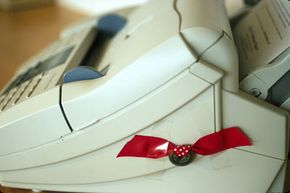
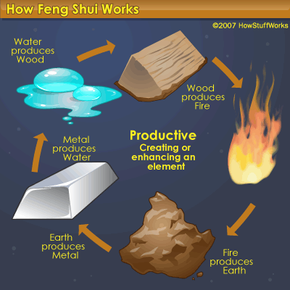
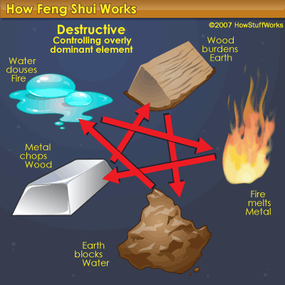
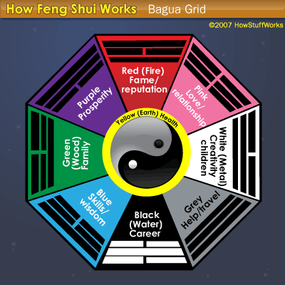
Can't realistically lay down a bagua map over your cramped cubicle? First, clear the clutter, then start using feng shui in small ways. The most important way to bring good feng shui to your cube is to face the entrance. Not possible? Hang a mirror so you can see who's approaching (which is also helpful for practical reasons). Also, put something red (sweater, tape) on the back of your chair to stop the chi from hitting you in the back. Next, add some elements to counteract the metal chi filling the cubicle: plants (wood) and fountains (water) or even a pleasant picture of a waterfall help achieve this -- of course, so would setting fire to the desk, but that isn't really recommended. Finally, fluorescent lighting is bad for feng shui. Either replace the fluorescent tubes with full-spectrum bulbs (also known as "grow lights") or bring in a table or floor lamp that uses incandescent bulbs.

Chinese artwork isn't considered particularly helpful to an office's chi -- despite what some art dealers might say -- but artwork in general can affect the atmosphere. A painting of a sinking ship, for example, wouldn't bode well for a business trying to stay afloat. Many who criticize Black Hat feng shui point out that people are paying handsomely for often common-sense advice, such as keeping the environment clutter-free and using incandescent lighting instead of harsh fluorescent bulbs.

However, many businesspeople, including Donald Trump, Virgin Atlantic Airways founder Sir Richard Branson and New York Mayor Michael Bloomberg, say they use feng shui in some form or another. In the past, they have used consultants for advice on everything from door placement to the use of aquariums (which bring water energy to the office environment).

Next, we'll learn about feng shui in interior design.

When Disney Went Feng Shui
Even Mickey Mouse is channeling his chi. Before Hong Kong Disneyland opened in 2005, execs hired a local feng shui master. He advised shifting the angle of the theme park's front gate by 12 degrees to ensure a better flow of energy and maximum profitability. The five elements were carefully incorporated throughout the park -- a projection of a rolling fire was used in one restaurant, for example, and large boulders were placed throughout to "stabilize" the chi. Disney even picked what it was told was a lucky day, Sept. 12, for the opening.