Which Countries Allow Dual Citizenship?

By: Lena Thaywick  | 
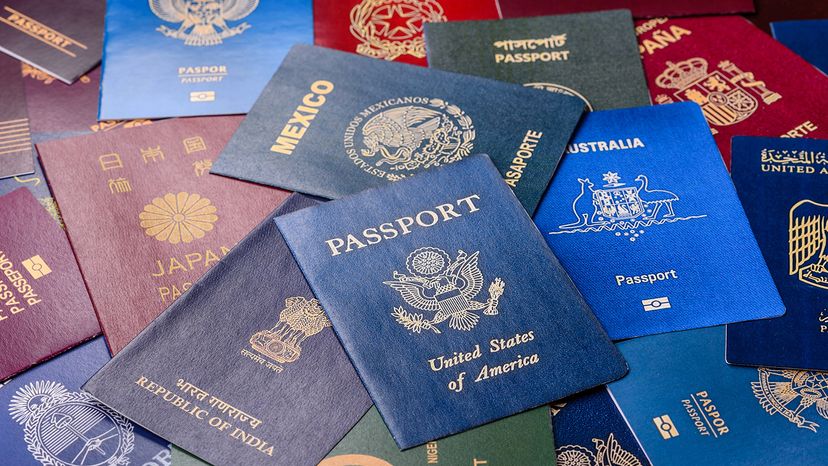
Not every country requires you to renounce your citizenship when gaining a new one. Tetiana Chernykova / Shutterstock

If you have ever wondered which countries allow dual citizenship, the answer includes many nations across Europe, the Americas and other regions. Dual citizenship—sometimes called dual nationality or multiple citizenship—means a person legally belongs to more than one country at the same time.

A dual citizen may hold two passports, vote in national elections, and live or work in multiple countries (depending on each country's nationality laws). However, obligations such as military service, taxes, or legal duties can still apply in both countries.

Advertisement

Here are 10 well-known dual citizenship countries that permit dual or multiple citizenship for people who obtain citizenship through birth, ancestry, naturalization, or special investment programs.

1. United States of America

U.S. law does not require a U.S. citizen to choose between U.S. citizenship and another nationality. An American citizen may acquire citizenship in a foreign country without automatically losing U.S. citizenship.

However, dual nationals generally are required to file U.S. income tax returns and report worldwide income. Rules such as the foreign earned income exclusion and the foreign tax credit help reduce double taxation when a person files a U.S. tax return while living abroad.

Advertisement

2. Canada

Canada allows dual citizenship and recognizes people who hold citizenship in more than one country. Canadian nationality laws allow immigrants to obtain citizenship without giving up their previous nationality.

This policy has helped many permanent residents become Canadian citizens while maintaining foreign citizenship from their country of origin.

Advertisement

3. United Kingdom

The United Kingdom permits dual nationality. Someone who obtains British citizenship can often keep another citizenship from a second country.

Dual citizens may hold two passports and enjoy visa-free travel to many countries, depending on the passports they hold.

Advertisement

4. Ireland

Ireland is well known for flexible citizenship rules. Many people obtain Irish citizenship through ancestry if a parent or grandparent was born in Ireland.

Irish citizenship allows dual nationality, meaning a person may hold dual nationality while also remaining a U.S. citizen or citizen of another country.

Advertisement

5. Italy

Italy is another EU country that allows dual citizenship. Italian citizenship may be passed through family lines, allowing descendants of Italian emigrants to obtain citizenship generations later.

Advertisement

6. France

France permits dual or multiple citizenship and does not require people to renounce their previous nationality when they become French citizens.

This policy has helped many immigrants acquire French citizenship while maintaining connections to their country of origin.

Advertisement

7. Australia

Australia allows dual citizenship and recognizes dual nationals under its nationality laws. Citizens may acquire citizenship in other countries without automatically losing Australian citizenship.

Many dual citizens maintain strong economic and family connections across multiple countries.

Advertisement

8. Mexico

Mexico changed its nationality laws in the late 20th century to allow dual citizenship. This reform made it easier for people with Mexican heritage to obtain citizenship while living abroad.

Today some Mexican Americans hold dual nationality as both Mexican citizens and U.S. citizens.

Advertisement

9. Portugal

Portugal permits dual citizenship and has become popular for people seeking a second passport through residency or investment programs.

Some applicants obtain citizenship after several years of legal residence.

Advertisement

10. Dominica

Dominica is one of several countries that offer citizenship through investment programs. These programs allow qualified applicants to obtain citizenship in exchange for government approved investments.

Once approved, the person may hold dual citizenship and receive a foreign passport that provides visa free travel to many countries.

Some nations restrict or prohibit dual nationality. Others require individuals to renounce their previous nationality before acquiring a new one.

Anyone considering dual citizenship should carefully review nationality laws, tax treaties, and legal obligations in both countries before applying for a second citizenship.

We created this article in conjunction with AI technology, then made sure it was fact-checked and edited by a HowStuffWorks editor.

Advertisement

Loading...