12 Weird Words That Don't Always Mean What They Used To

By: Lena Thaywick  | 
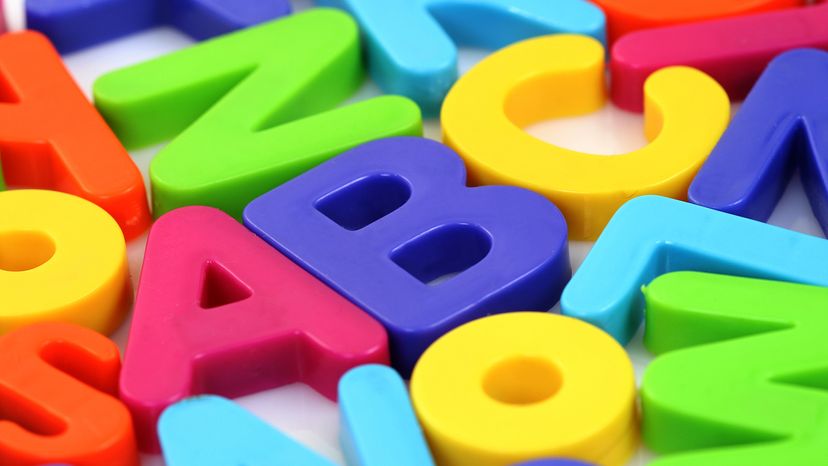
colorful letters on white background
If someone uses one of these words while talking in an otherwise normal conversation, you're not out of line for stopping them and asking for a definition. matka_Wariatka / Shutterstock

The English language is full of quirks, and sometimes weird words sneaks into your vocabulary that make you stop and scratch your head when you really think about them.

These unusual words are real, even if most people haven’t heard them before. Let’s look at some odd words and their meanings. You might find a new favorite for your next game, writing project, or funny moment in speech.

Advertisement
1. Gongoozle

This odd word means to stare idly at something, like wasting time watching the world go by.

Derived from canal slang in 19th-century England, it captures that weird feeling when you’re searching for nothing in particular. Most people rarely hear it today, but it still appears in some dictionaries.

Advertisement

2. Snollygoster

An American term for a politician without principles, this strange word dates back to the mid-1800s. Its rough, funny nature makes it perfect for describing pretentious nonsense in politics or speech.

It suggests someone acting without principles, motivated by power rather than honor.

Advertisement

3. Loblolly

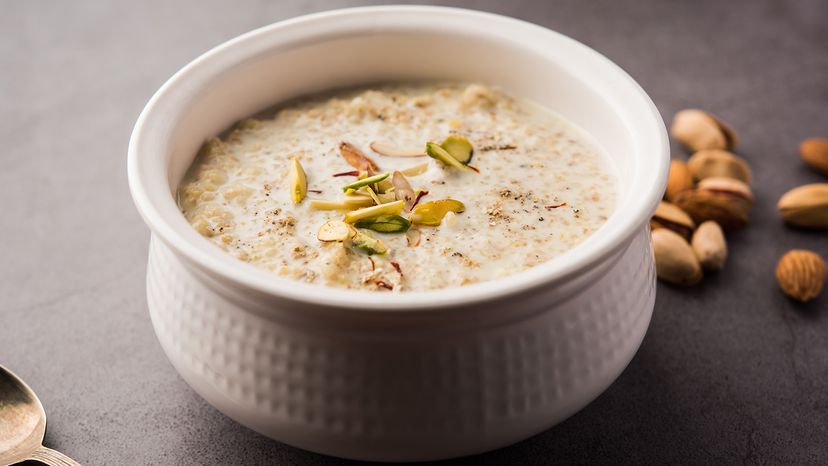
Thick porridge
A long time ago, you might call this loblolly. Now it's just porridge. StockImageFactory.com / Shutterstock

Originally meaning a thick porridge or gruel, loblolly now also refers to a mire or mudhole. This food-related origin gave rise to a word that describes different things, from plants like the loblolly pine to noisy confusion in a group or house.

Advertisement

4. Skedaddle

Most people have heard this one, but it still counts as an odd word. It suggests running away quickly, often in a funny or unexpected fashion.

In the U.S., it became popular during the Civil War era and is still used in writing and everyday speech.

Advertisement

5. Wamble

This weird word describes the uneasy, confused feeling in your stomach after eating too much food. Its usage is rare today, but it lives on in dictionaries as a quirky way to describe nausea. Writers sometimes use it to create oddly vivid images.

Advertisement

6. Flummox

To flummox someone means to confuse or bewilder them. It’s a fun, curious term that captures the unexpected, odd nature of life.

This word is a favorite tool for writers looking to describe confusion or a strange moment.

Advertisement

7. Taradiddle

This word means a small lie or bit of foolish nonsense. It’s an unusual way to describe silly comments or exaggerations.

You’ll often see it in old books, but it pops up now and then when someone wants to add a playful twist to language.

Advertisement

8. Cattywampus

cattywampus
If nothing else, this playhouse is a vibe. Peter Turner Photography / Shutterstock

Here's an odd word from the U.S. that means something is askew or not in the right form.

It’s a funny, uncommon way to describe a door hanging crooked, a lump of furniture placed oddly, or even a confused person. Some suggest it’s derived from dialect words that meant “diagonal.”

Advertisement

9. Brouhaha

This strange-sounding word refers to a noisy commotion or uproar. Its origins are French, but in English it suggests confusion, unexpected shouting, or a rough house moment. Writers use it to describe group conflicts that create more noise than meaning.

Advertisement

10. Gobbledygook

Coined in the U.S. in the 1940s, this word describes speech or writing that’s full of unnecessary, complicated, or pretentious nonsense. It’s often used to describe how politicians, websites, or other sources hide meaning under a pile of confusing words.

11. Obambulate

Here’s a rare one: to walk about aimlessly. This obsolete word has mostly disappeared from usage, but it reflects the curious, wandering nature of language. It suggests a person moving without purpose, almost like a strange morning ritual.

12. Catawampus

Closely related to cattywampus, this variation also means crooked, odd, or askew. It shows how the English language can create multiple forms of the same odd word, adding confusion but also fun to vocabulary.

We created this article in conjunction with AI technology, then made sure it was fact-checked and edited by a HowStuffWorks editor.

Advertisement

Loading...