5 Types of Communication You Didn't Know You're Using

By: Lena Thaywick  | 
In this split second, these two women are using at least four communication types: verbal (talking), nonverbal (pointing), interpersonal (between two or more people), and visual (what's displayed on the tablet). PeopleImages.com - Yuri A / Shutterstock

Communication drives everything from friendships to billion-dollar business deals. But not all communication is created equal. In fact, the types of communication we use can completely change how our messages land.

Some communication styles work great in a group setting. Others shine in one-on-one chats or digital platforms.

Advertisement

Knowing which is which can help you communicate effectively, whether you're giving a presentation, having honest conversations or just sending a Slack message.

1. Verbal Communication

friends talking
Communication is inherent to all human interaction. maxbelchenko / Shutterstock

Verbal communication is the use of spoken words to express ideas. This is what most people picture when they think of communication.

Whether it's a pep talk, phone call or video meeting, verbal communication depends on tone, clarity and delivery. Good communication skills here involve speaking in a clear and concise manner, using simple vocabulary and eliminating filler words.

Advertisement

Face-to-face conversations, speeches and even voice notes on social media platforms fall under this umbrella. Want to sharpen this skill? Try practicing active listening to better respond and connect in real time.

2. Nonverbal Communication

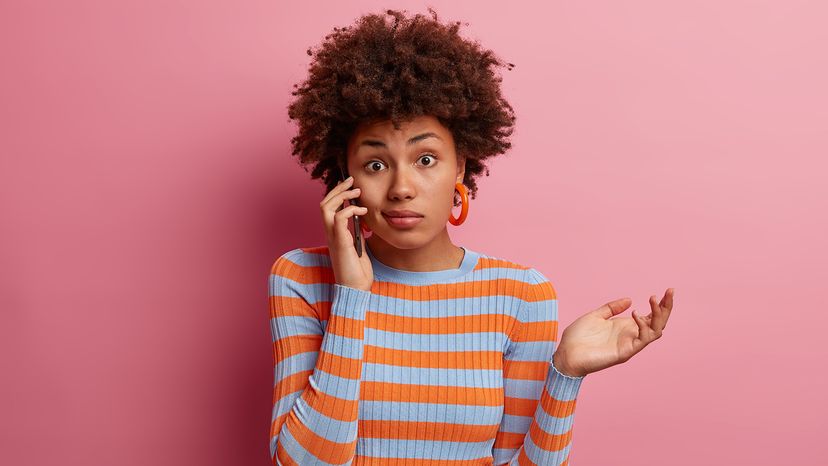
gesture
This woman's gesture and expression communicate so much without a single word. Cast Of Thousands / Shutterstock

Here's where it gets interesting: Communication doesn't stop when you stop talking.

Nonverbal communication includes facial expressions, body language, hand movements and other nonverbal cues. Eye contact, posture and even your use of physical space can send loud messages without a single word.

Advertisement

This type is especially powerful in personal relationships and professional contexts. Emotional intelligence plays a huge role in reading and using nonverbal signals.

Misreading a look or shrug? That can lead to poor communication or even conflict.

Advertisement

3. Written Communication

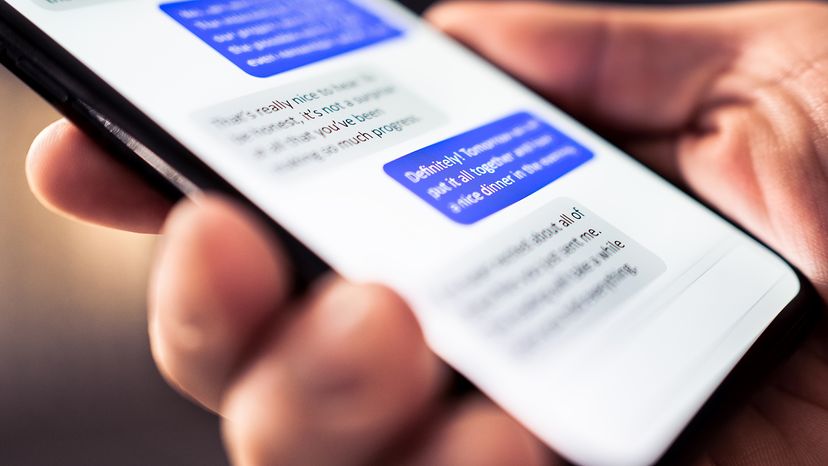
text message
Clear and concise communication is even more important in written communication, where there is no nonverbal communication to supplement the words. Tero Vesalainen / Shutterstock

From text messages to formal reports, written communication covers it all. In business contexts, this means emails, memos and documents. On social media platforms, it’s tweets, captions and comments.

No matter the setting, the goal is the same: Share a complete message in a clear and concise way.

Advertisement

Effective written communication relies on structure, grammar and tone. If you're explaining complex ideas, use visual aids or examples to simplify complex data.

Emojis can convey tone online, but research shows that in work emails they do not increase perceived warmth and can even make the sender seem less competent.

Advertisement

4. Visual Communication

laptop
Data visualization is an essential component of workplace communication kenchiro168 / Shutterstock

Charts, infographics, graphs, signs and slides: These are all forms of visual communication.

Humans process visual information extremely rapidly; the brain can identify an image in as little as 13 milliseconds, which makes this type ideal for explaining complex ideas or data. Think of how a traffic sign or pie chart delivers meaning at a glance.

Advertisement

In the digital age, other visual elements like GIFs and videos also play a big role. Pairing text with strong visual elements helps ensure a universal understanding, especially when language barriers exist.

5. Interpersonal Communication

talking
Effective communication works with a combination of articulation, listening skills, emotional cues, and gestures. Rawpixel.com / Shutterstock

Interpersonal communication is any exchange between two or more people. This can be formal or informal communication, in person or through remote communication like video calls. It’s the backbone of relationship building, conflict resolution and team collaboration.

In business and beyond, good communication skills here mean using both verbal and nonverbal cues, managing your own emotions and actively seeking clarification. Successful communication depends on mutual understanding—not just getting your point across.

Advertisement

We created this article in conjunction with AI technology, then made sure it was fact-checked and edited by a HowStuffWorks editor.

Advertisement

Loading...