10 Most-spoken Languages in the World (2 Are From India)

By: Lena Thaywick  | 
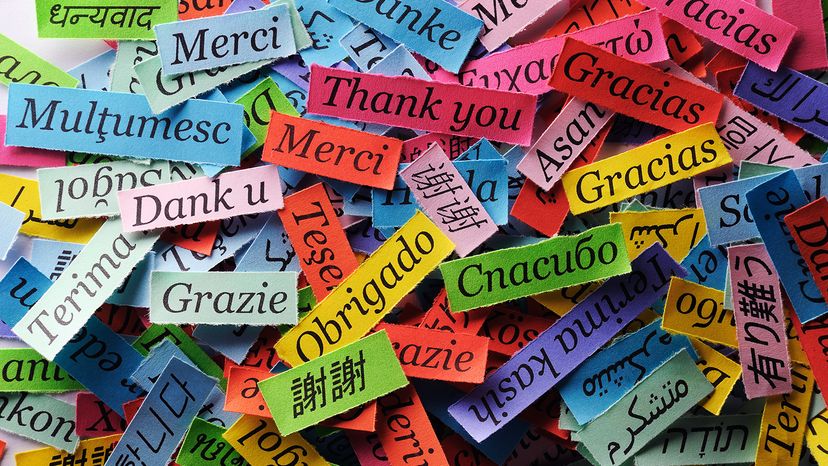
The world is a more colorful place thanks to the vast array of languages spoken. ivosar / Shutterstock

If you are searching for the most-spoken languages in the world, you are really asking how people communicate across culture, history, and geography.

Linguists usually rank world languages by the total number of speakers, which combines native speakers and second-language speakers. This approach reflects how a widely spoken language functions in international business, education, diplomacy, and daily life.

Advertisement

1. English

English is the most-spoken language in the world by total speakers. It has about 390 million native speakers and over 1.1 billion non-native speakers, the highest total number worldwide.

English functions as a global lingua franca for international relations, science, aviation, and the internet, and it is an official language in many countries, including members of the United Nations and the European Union.

Advertisement

2. Mandarin Chinese

Mandarin Chinese has the highest number of native speakers of any language—about 990 million.

It is predominantly spoken in China, the world’s second-largest country by population, and is part of the Chinese language group, which includes varieties like Yue Chinese that are not mutually intelligible with Mandarin.

Advertisement

Mandarin’s written form helps unify speakers across many dialects.

3. Spanish

Spanish is one of the most widely spoken languages across continents. It is the national language or official language in much of Latin America and is widely spoken in parts of North America and Europe.

About 485 million people speak Spanish as a first language, and its global spread makes it essential for cultural understanding and international communication.

Advertisement

4. Hindi

Hindi is a major language of South Asia with roughly 600 million speakers (including native and second-language users). It belongs to the Indo-European language family and is closely related to languages like Western Punjabi.

Hindi is mutually intelligible with Urdu, effectively expanding its reach beyond its native speaker population.

Advertisement

5. Arabic

Arabic is a common language across the Middle East and North Africa.

Modern Standard Arabic serves as a shared written form used in media, education, and government, while spoken forms vary widely by region. Arabic’s role as an official language in many countries and international organizations increases its global importance.

Advertisement

6. French

French has fewer native speakers than some other languages, but its influence is global. It is spoken across Europe, Africa, and parts of the Americas and is widely used in diplomacy, international organizations, and education.

French remains a key language for international relations and cultural exchange.

Advertisement

7. Portuguese

Portuguese is primarily concentrated in South America, Europe, and parts of Africa.

Brazil’s large population drives much of the language’s growth, making Portuguese one of the most-spoken languages in the world. It plays an important role in global trade and regional culture.

Advertisement

8. Russian

Russian is the most widely spoken native language in Europe, with roughly 120 million native speakers on the continent.

It remains an important common language across several countries in Eastern Europe and Central Asia. Russian’s historical role and continued use in science, politics, and media sustain its global presence.

Advertisement

9. Japanese

Japanese is spoken almost entirely within one country. Despite this, Japan’s economic influence and cultural exports give the language global visibility.

Most speakers use Japanese as a first language, with relatively few second language speakers.

Advertisement

10. Punjabi

Punjabi includes closely related varieties such as Eastern Punjabi and Western Punjabi. Spoken primarily in South Asia, it has a very large number of native speakers, even though it is less commonly learned as a second language internationally.

How Languages Are Counted

Counting languages is not as simple as it sounds. Organizations like SIL International track language speakers, but totals vary depending on whether dialects are counted separately and how language proficiency is measured.

Some people speak multiple languages fluently, which further complicates rankings.

Why the Most Spoken Languages Matter

Learning a widely spoken language can improve communication, support international business, and deepen cultural understanding. While there are thousands of languages in the world, a small number dominate global interaction.

We created this article in conjunction with AI technology, then made sure it was fact-checked and edited by a HowStuffWorks editor.

Advertisement

Loading...