The Most Powerful Passport Comes From a Nation State

By: Lena Thaywick  | 
Passport Travel Stamps
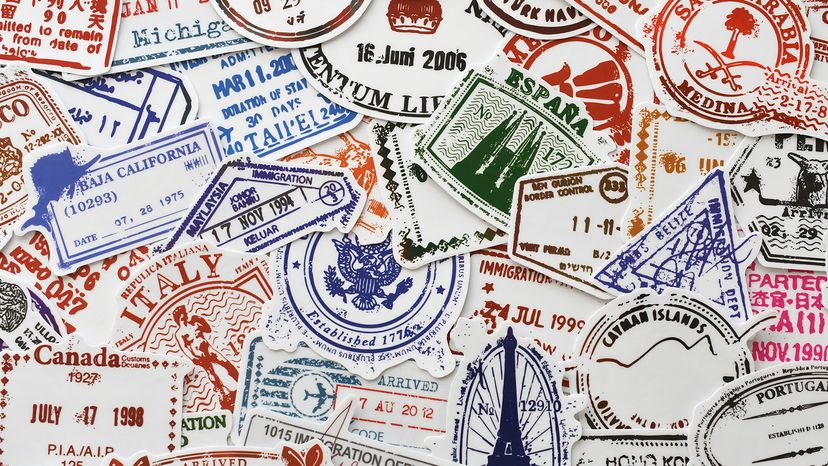
Passport holders from certain countries enjoy visa-free travel that's hard to beat. MargJohnsonVA / Shutterstock

Want to know which travel documents unlock the most doors around the world? Every year, the Henley Passport Index ranks passports based on how many destinations their holders can visit without needing a prior visa.

The most powerful passport lets you hop across borders with fewer restrictions, opening the way for business, tourism, and more.

Advertisement

The 2025 ranking draws from exclusive data provided by the International Air Transport Association (IATA), backed by extensive in-house research. It takes into account visa-free access, visa on arrival, and visa requirements across 227 travel destinations.
1. Singapore

Singapore holds the top spot in 2025. Its citizens can access 193 countries and territories without needing a visa in advance. That includes entry to nearly every major travel destination in Europe, Asia, and the Americas.

This strong showing reflects years of international partnerships and consistent diplomatic strategy. Singapore's economic stability and global business ties also boost its passport's power.

Advertisement

Whether flying to France for vacation or to Canada for a conference, Singaporean passport holders rarely hit roadblocks en route to their destination country.

2. 2-way Tie: Japan and South Korea

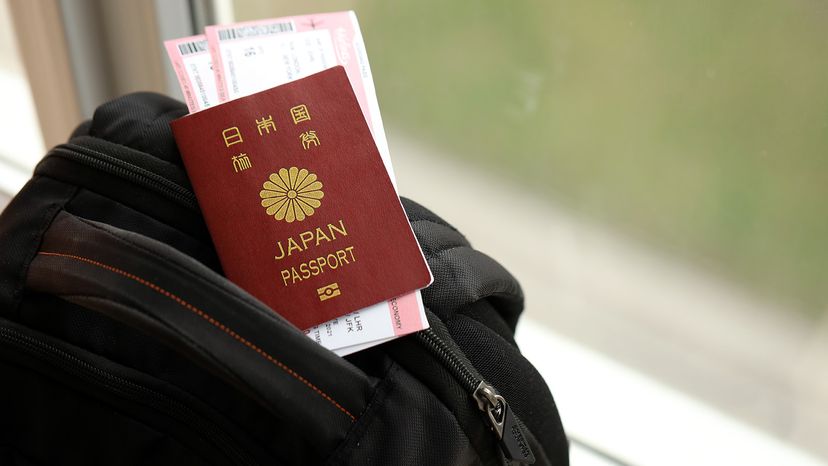
Japan passport
Japan passport. Mehaniq / Shutterstock

Japan and South Korea share second place, each offering visa-free or visa-on-arrival access to 190 destinations. These passports have dominated the top of the index for the past decade, and 2025 is no different.

South Korea's global mobility reflects its rise as a cultural and economic force. Japan, meanwhile, continues to benefit from long-standing diplomatic relations and strong tourism ties.

Advertisement

Both nations also meet strict standards for proof of sufficient funds and low overstay rates, key factors in visa waiver decisions.

3. 7-way Tie: Denmark, Finland, France, Germany, Ireland, Italy, and Spain

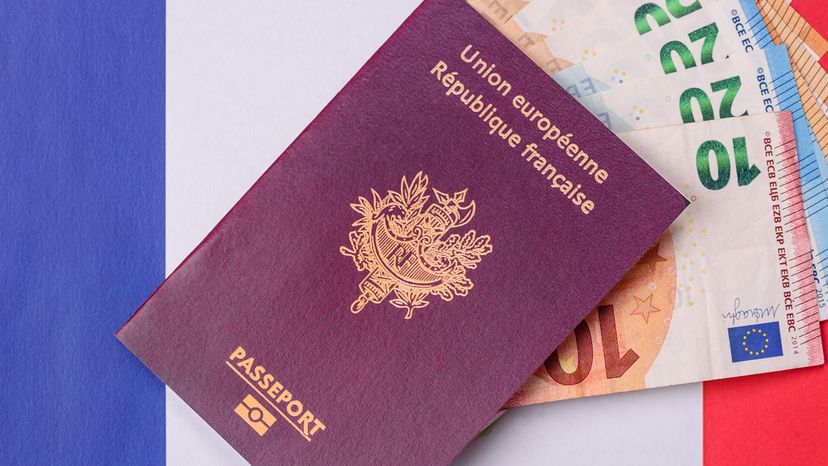
French passport
French passport. Tetiana Chernykova / Shutterstock

Tied at 189 destinations, this group of European heavyweights exemplifies regional cooperation. Their place in the Schengen Area makes it easier for citizens to travel freely among member nations. It also boosts their international access outside Europe.

Germany and France frequently rank high due to their economic strength. Spain and Italy benefit from deep ties with Latin America. Ireland holds a unique position with strong ties to both the EU and the UK.

Advertisement

This seven-way tie shows how shared policies, trade, and diplomacy can enhance passport strength when traveling to other countries.

4. 7-way Tie: Austria, Belgium, Luxembourg, Netherlands, Norway, Portugal, and Sweden

With access to 188 destinations, these passports aren't far behind. Like the group above, they're anchored in the Schengen Zone and the broader European Union framework.

Sweden, the Netherlands, and Belgium maintain strong global mobility thanks to consistent governance and high citizenship standards. Norway stands out as a non-EU country that still ranks high, thanks to its EEA membership and open travel agreements.

Advertisement

Luxembourg, small but mighty, leverages its financial sector and EU ties to punch above its weight in global travel.

5. 3-way Tie: Greece, New Zealand, Switzerland

These three countries grant their citizens access to 187 countries and territories. Greece rounds out the EU presence in the top tier. Switzerland, though not in the EU, benefits from numerous bilateral agreements that ensure easy entry into most countries.

New Zealand's strong ranking reflects its reputation for stability, low corruption, and favorable foreign policy. Its geographic isolation hasn’t held it back from becoming one of the world’s most travel-friendly passports.

Advertisement

We created this article in conjunction with AI technology, then made sure it was fact-checked and edited by a HowStuffWorks editor.

Advertisement

Loading...