10 Least Religious Countries, Based on Worship Attendance and More

By: Lena Thaywick  | 
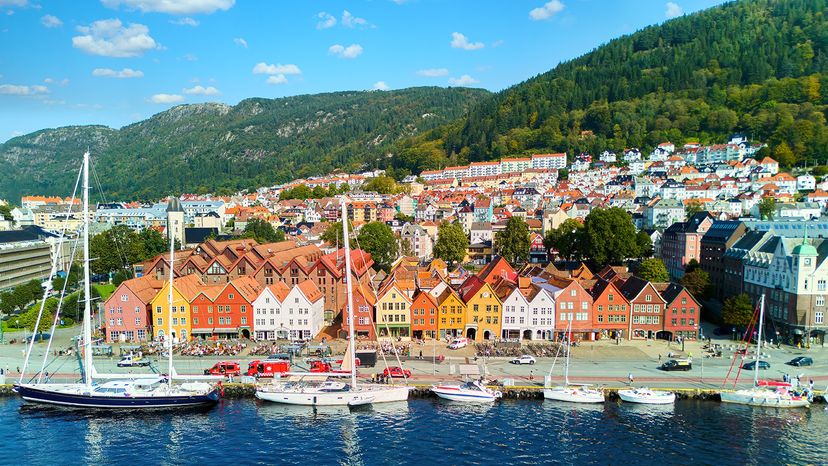
Norway
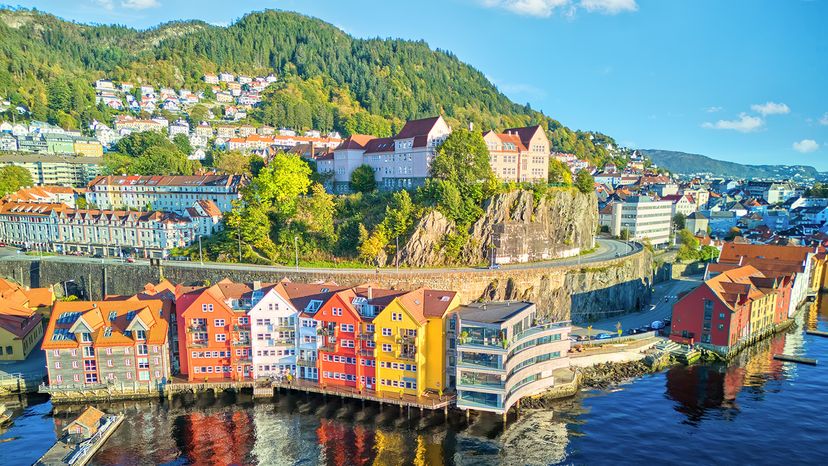
In Norway, church membership remains high on paper but worship attendance is rare. dibrova / Shutterstock

When it comes to religious commitment, the world is far from uniform. While some nations are deeply shaped by religion, others are moving toward secularism.

As nonbelief becomes more common in several countries, the definition of what it means to be religious continues to evolve. Whether driven by personal faith, cultural tradition, or political freedom, the global map of religion is changing.

Advertisement

This list explores the least religious countries based on measures like religious affiliation, worship attendance, and belief in God, drawing from data by the Pew Research Center and other global surveys.

1. China

China
China. ABCDstock / Shutterstock

According to global survey data, China has one of the highest proportions of convinced atheists. A mix of government policy, cultural traditions, and philosophical influence has shaped a society where nonbelief is widespread.

Most people in China do not identify with a particular religion, and religious services are rarely attended.

Advertisement

2. Czech Republic

Czech Republic
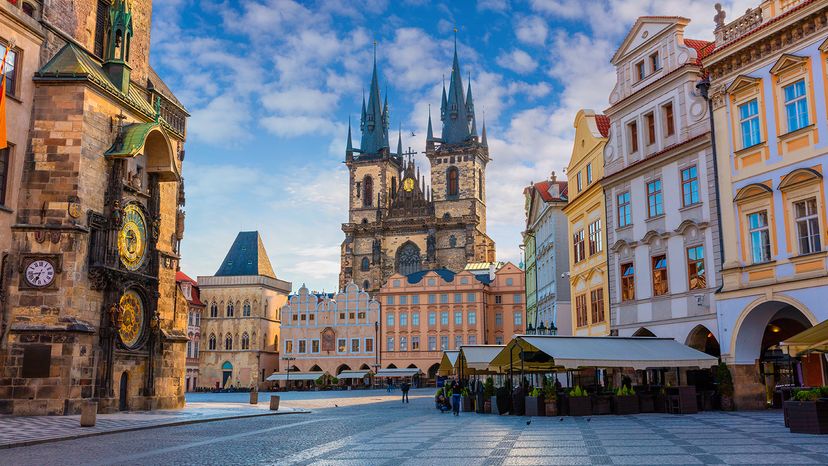
Czech Republic. Andrew Mayovskyy / Shutterstock

The Czech Republic stands out in Europe as a stronghold of nonreligious identity. Over two-thirds of the population report no religious affiliation, and many consider religion unimportant in daily life.

While historically Christian, modern Czech society is among the most secular in the world.

Advertisement

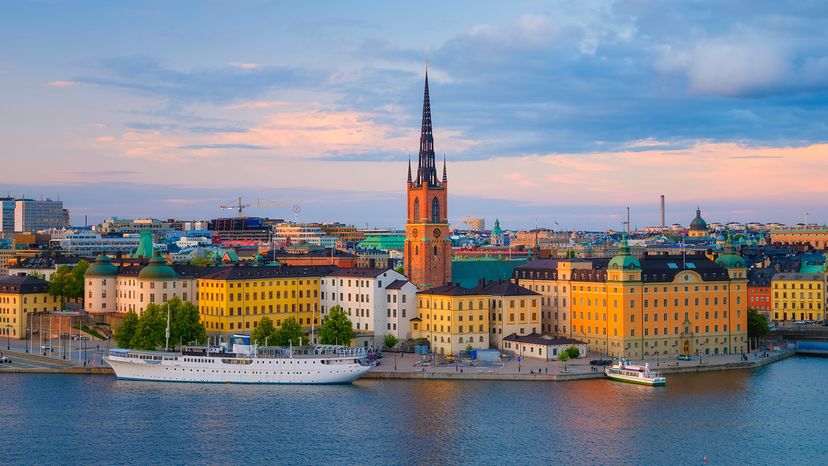
3. Sweden

Sweden
Sweden. biletskiyevgeniy.com / Shutterstock

In Sweden, around half of residents say they do not feel religious, despite being formally affiliated with the Church of Sweden as nominal members. Religious beliefs are often cultural rather than spiritual, and worship attendance is among the lowest in Western Europe.

Advertisement

4. Japan

Japan
Japan. Guitar photographer / Shutterstock

Japanese citizens often participate in religious traditions but don’t necessarily consider themselves religious. The mix of Shinto and Buddhist customs forms a cultural rather than spiritual identity.

Many in Japan identify as religiously unaffiliated, making it one of the least religious societies in the Asia Pacific region.

Advertisement

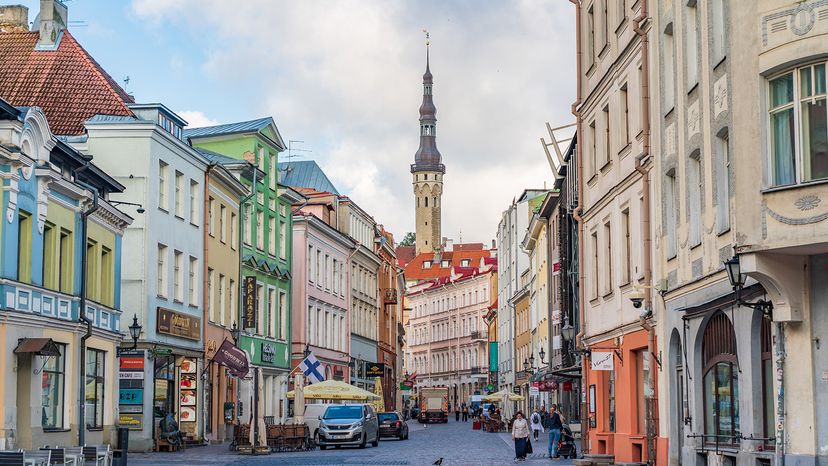
5. Estonia

Estonia
Estonia. Mo Wu / Shutterstock

Estonia regularly ranks among the top least religious countries in Europe. Only about 16 percent of Estonians say they believe in God, while the majority either believe in some impersonal spiritual force or have no belief at all.

In other words, well over 70 percent of Estonia’s people do not identify with a traditional religion. The country reflects a broader trend across many countries in the region.

Advertisement

6. Norway

Norway
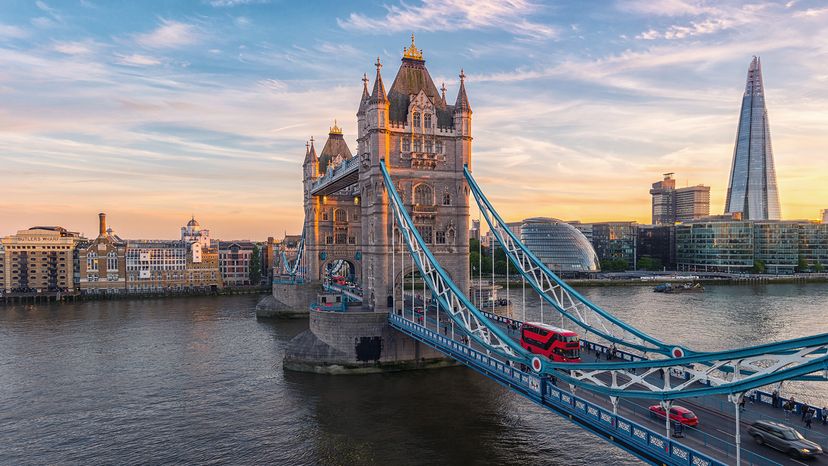
Norway. dibrova / Shutterstock

Though historically Christian, Norway now reports that large portions of its population are religiously unaffiliated people. Church membership remains high on paper, but worship attendance is rare, and prayer is not a regular part of most people’s lives.

Advertisement

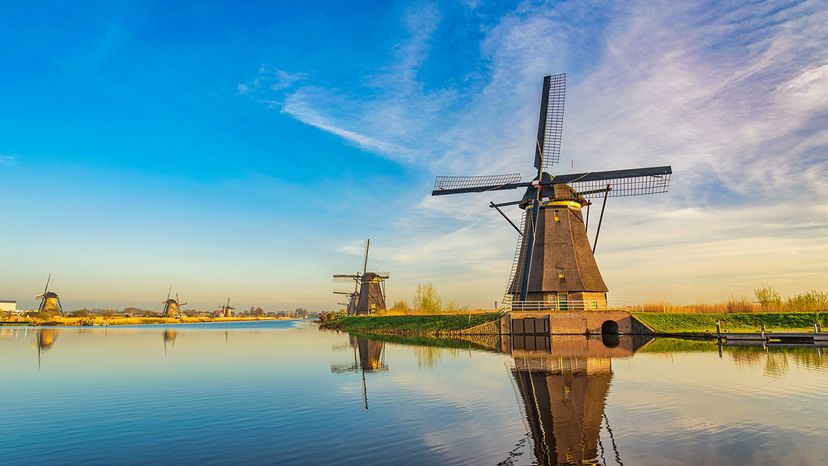
7. Netherlands

Netherlands
Netherlands. Noppasin Wongchum / Shutterstock

In the Netherlands, nonreligious people make up a growing share of the population. Faith is often considered a private matter, and religious services are sparsely attended.

Independent surveys and longitudinal studies confirm a steady rise in secular attitudes in the Netherlands, with the nonreligious proportion climbing from about half to a clear majority in recent decades.

Advertisement

8. United Kingdom

United Kingdom
United Kingdom. r.classen / Shutterstock

The UK has seen a rapid rise in secularism, especially among younger generations. A majority of young adults now identify as nonreligious, and traditional religious beliefs hold less sway in politics and public life.

Advertisement

9. South Korea

South Korea
South Korea. f11photo / Shutterstock

South Korea presents a complex religious landscape. While Christianity and Buddhism are visible, up to half of the population identify with no religious affiliation. The number of atheists and nonreligious individuals has grown sharply in recent years.

Advertisement

10. Germany

Germany
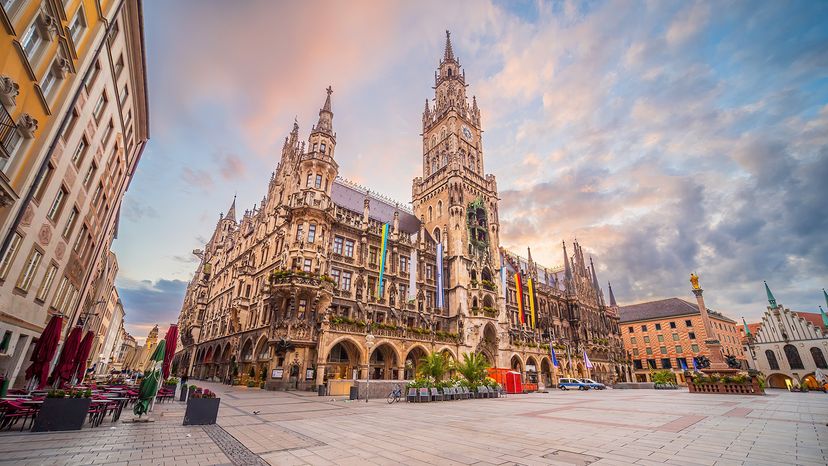
Germany. f11photo / Shutterstock

Especially in the former East Germany, religious practice has declined significantly. Many Germans are officially part of a church but do not attend religious services or engage in regular prayer. Surveys show a growing secular identity among both the young and old.

We created this article in conjunction with AI technology, then made sure it was fact-checked and edited by a HowStuffWorks editor.

Advertisement

Loading...