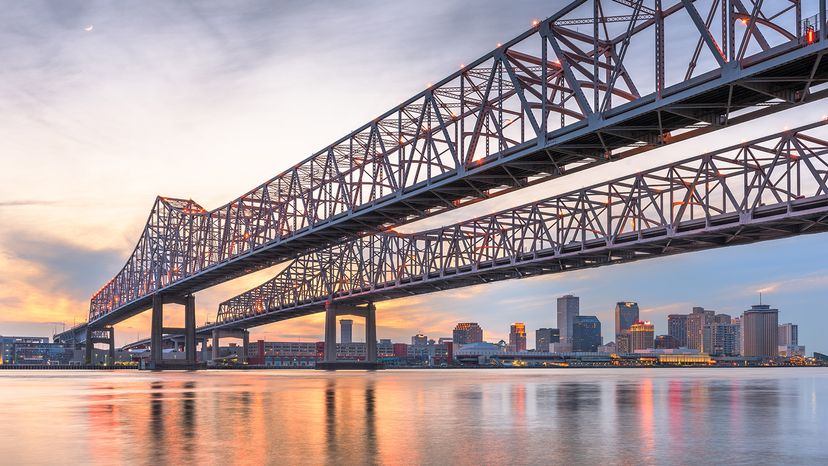
Measuring the percentage of citizens who graduated from high school and hold a professional degree is one way to determine the most (and least) educated states in the nation. Sean Pavone / Shutterstock
Education levels vary widely across the U.S., and some states consistently fall behind in both school quality and degree attainment.
These least educated states in America rank low in high school diploma holders, college graduation rates, and access to quality education.
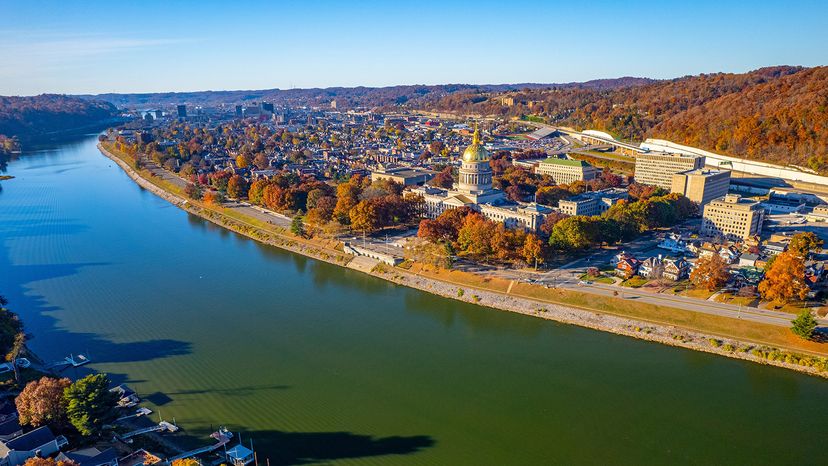
West Virginia ranks last in educational attainment nationally, having the lowest share of adults with a bachelor’s degree (around 20 percent). Its high school completion rate (about 89 percent of adults) is slightly below the U.S. average (about 89.7 percent).
Despite efforts to improve school programs, the state continues to struggle with access to higher education and low graduation rates.
Advertisement
2. Mississippi
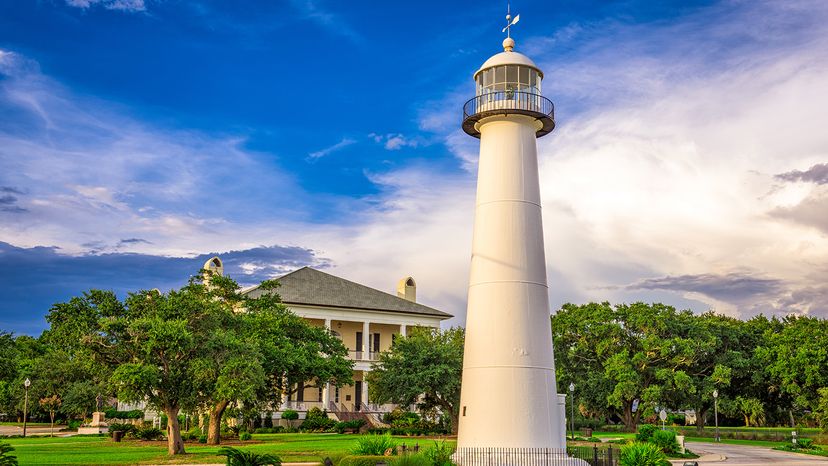
Mississippi. Sean Pavone / Shutterstock
Mississippi is the second-least educated state (49th in educational attainment and 47th in education quality). It has the third-lowest high school diploma rate (only 84.5 percent of adults) and second-lowest bachelor’s degree rate nationwide.
In addition to ranking low in educational attainment and quality, fewer enrolled students in top colleges and a limited number of blue ribbon schools.
Advertisement
Mississippi’s National Assessment of Educational Progress (NAEP) scores have historically ranked at or near the bottom—for example, in 2022 its 8th-grade reading was 50th and math 49th among states—reinforcing its low education ranking.
3. Louisiana
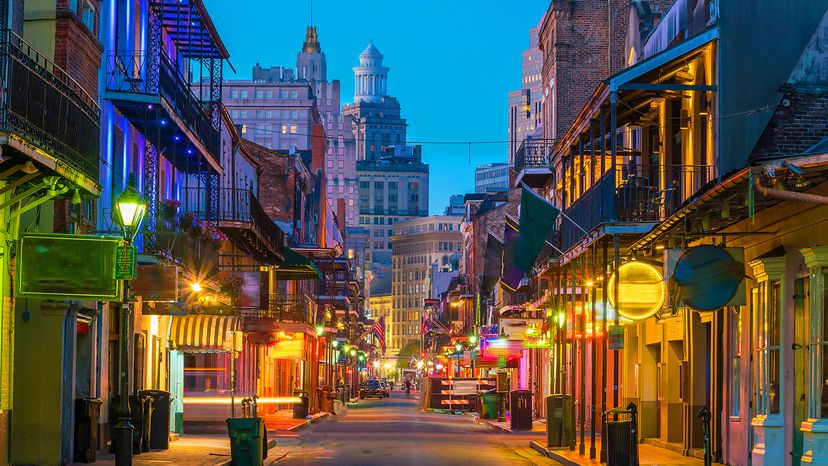
Louisiana. f11photo / Shutterstock
Louisiana has very low higher-education attainment: It’s 48th in the nation, with the fourth-smallest share of adults holding a bachelor’s degree (and similarly low graduate-degree attainment.
The state also suffers from persistent achievement gaps along racial and economic lines. Louisiana enacted a 2021 law to expand summer learning programs (to help close these gaps), but improvement has been modest.
Advertisement
Overall, Louisiana ranks near the bottom in education (48th in attainment and 45th in quality).
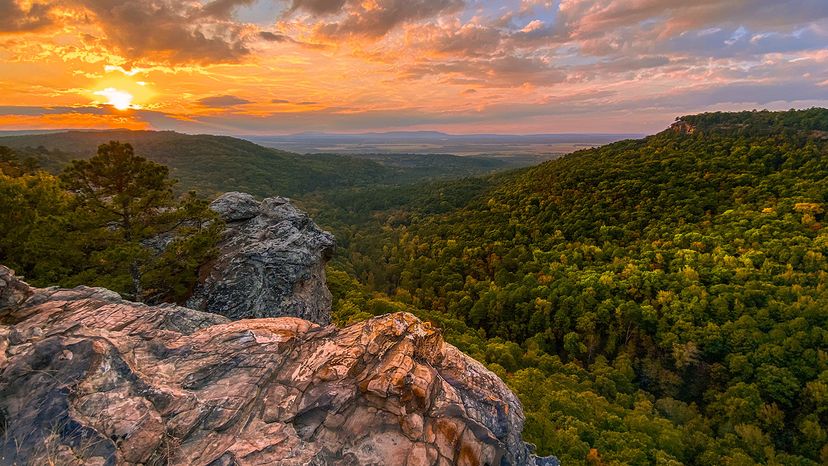
4. Arkansas
Arkansas. Wirestock Creators / Shutterstock
Arkansas has one of the very lowest education levels in the country. It ranks 47th in educational attainment, with the third-smallest proportions of adults holding associate’s, bachelor’s, or graduate degrees.
Advertisement
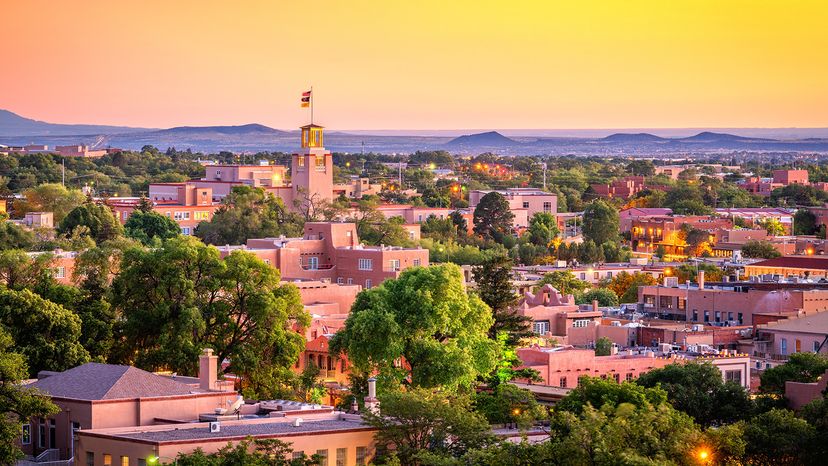
5. New Mexico
New Mexico. Sean Pavone / Shutterstock
New Mexico ranks among the lowest in education. In WalletHub’s 2025 study, it was 42nd overall, with the nation’s lowest Quality of Education rank (50th).
New Mexico’s high school graduation rate (around 76 percent) is 49th out of 50 states, ahead of only Arizona (per 2021 data). This indicates one of the highest high-school dropout rates nationally.
Advertisement
The state’s education system has also been underfunded: A 2018 court ruling found New Mexico failed to provide sufficient resources for at-risk students, violating its constitutional duty.
These factors contribute to below-average student outcomes in many communities, especially rural and low-income areas.
Advertisement
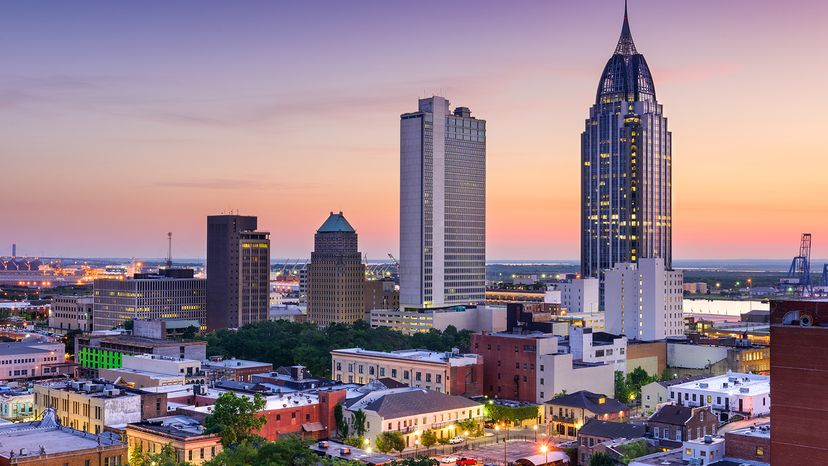
6. Alabama
Alabama. Sean Pavone / Shutterstock
Alabama continues to rank low in educational attainment. Only about 22 percent of Alabama adults have a bachelor’s degree or higher—among the lowest rates in the U.S.
Its high school graduation rate (roughly 88 percent) is slightly below the national average (89.4 percent). Relatively few Alabama students enroll in elite universities.
Advertisement
Like many states, Alabama also has a gender gap in education. Nationwide, for example, 88.4 percent of female students graduate high school on time vs 81.9 percent of males, a trend mirrored in Alabama’s college-going and completion rates.
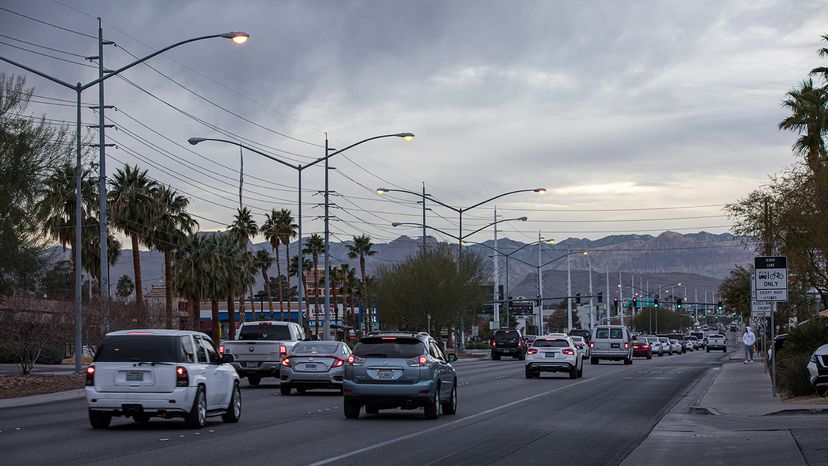
7. Nevada
Nevada. RYO Alexandre / Shutterstock
Nevada’s education funding and outcomes lag behind most states. In 2023, Nevada spent only about $11,673 per student, ranking 46th in K‑12 spending nationwide.
Consequently, Nevada has one of the lowest high-school attainment rates (only around 87.4 percent of adults have a diploma, versus about 89.4 percent nationally). Its college attainment is also low: Roughly 27 percent of Nevadans hold a bachelor’s degree (far below the 36 percent U.S. average).
Advertisement
Due to these factors, Nevada ranks 45th overall in education, and its school system quality remains a concern.
8. Kentucky
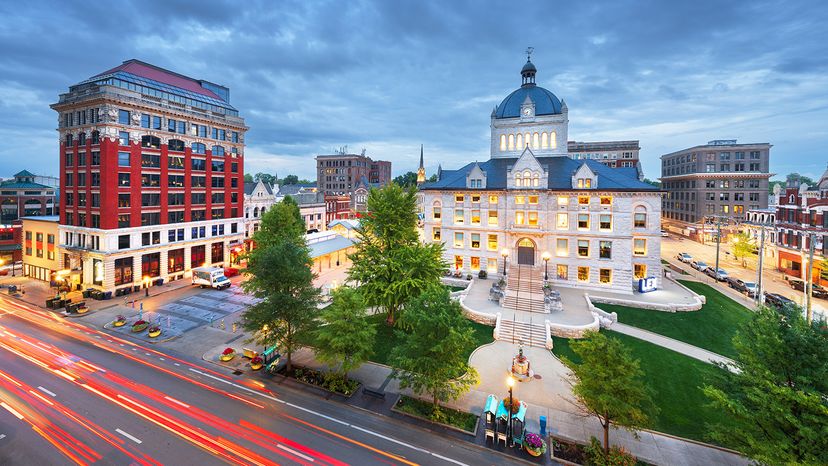
Kentucky. Sean Pavone / Shutterstock
Kentucky’s K-12 outcomes have improved in some areas (e.g., its high school graduation rate is about 88.5 percent, roughly on par with national figures).
However, the state remains 44th to 45th in higher-education attainment. Only about 28 percent of Kentucky adults have a bachelor’s or higher degree—well below the U.S. average.
Advertisement
This deficit in college-educated workers means fewer Kentuckians qualify for the high-salary jobs that advanced degrees typically bring. Building a more educated workforce for the modern economy continues to be a major challenge for Kentucky.
9. Indiana
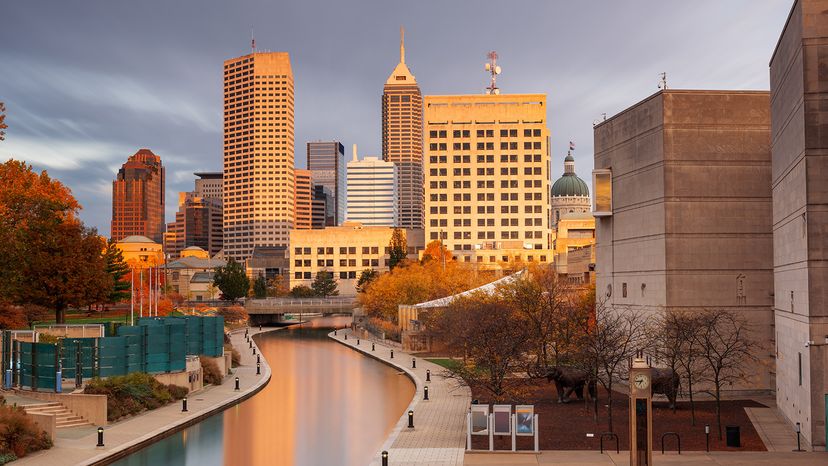
Indiana. Sean Pavone / Shutterstock
Indiana’s rate of college-degree attainment is below average. Only about 30 percent of Indiana adults hold a bachelor’s degree.
While the state boasts robust technical and vocational programs, its urban school districts have historically faced performance challenges linked to poverty. For instance, like many states, Indiana sees lower student outcomes in high-poverty city schools.
Advertisement
This contributes to ongoing gaps in educational attainment between affluent communities and under-resourced areas. Addressing these urban-rural and socioeconomic disparities remains crucial to improving Indiana’s overall educational standing.
10. Alaska
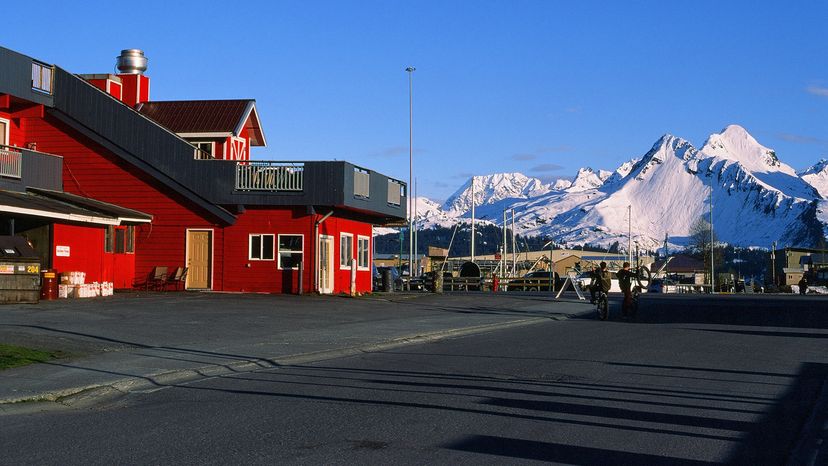
Alaska. Logan Bush / Shutterstock
Alaska’s vast geography creates serious educational hurdles. Many remote villages contend with extreme isolation and high living costs, which make it difficult to hire and keep teachers. Teacher turnover in rural Alaska also exceeds 30 percent annually in some regions, disrupting student learning.
Although Alaska’s urban centers have relatively educated populations, statewide about 31 percent of adults hold a bachelor’s degree (below the ~36 percent U.S. average).
These challenges in staffing and access contribute to Alaska’s lower overall educational outcomes (e.g. 35th in WalletHub’s 2025 education ranking) despite innovative efforts to serve remote communities. This contributes to lower educational attainment levels across the state.
We created this article in conjunction with AI technology, then made sure it was fact-checked and edited by a HowStuffWorks editor.
Cite This!
Please copy/paste the following text to properly cite this HowStuffWorks.com article: