Ivy League Universities: The Gold Standard of Higher Education

By: Lena Thaywick  | 
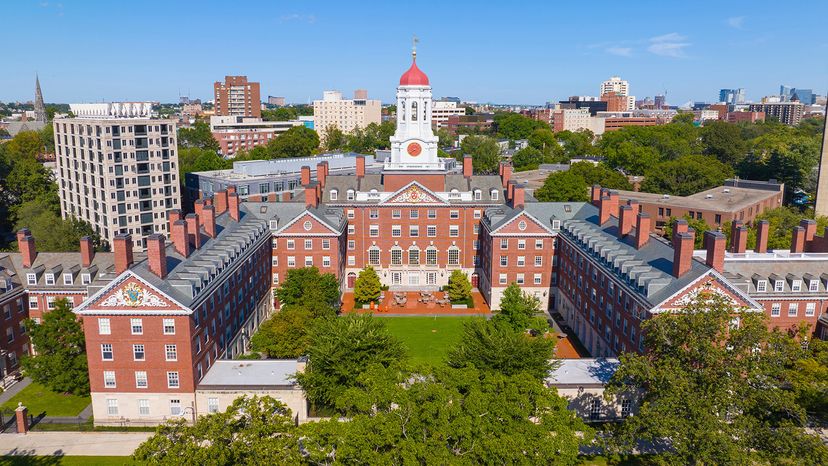
Harvard University
Harvard University and other Ivy League schools have a longstanding reputation. Wangkun Jia / Shutterstock

Ivy League universities might conjure images of ivy-covered walls, tweed jackets, and old-money prestige. But there's more to these schools than tradition and architecture.

They represent a blend of rigorous academics, strong networks, and historical significance that continue to shape higher education in the U.S.

Advertisement

How Many Ivy League Schools Are There?

There are only eight Ivy League schools, and they form both an athletic conference and an academic powerhouse.

This group includes Harvard University, Yale University, Princeton University, Columbia University, Dartmouth College, Brown University, Cornell University, and the University of Pennsylvania.

Advertisement

What Makes an Ivy League School?

The term Ivy League began as a sports reference. In 1954, these eight private colleges formed an athletic conference now known as the Ivy League athletic conference. Over time, the term became shorthand for elite, selective, and academically excellent institutions. Ivy League colleges offer world-class academic programs across the social sciences, life sciences, performing arts, and more.

Today, Ivy League admissions are fiercely competitive. Many admitted students have near-perfect academic records and top test scores. But admissions officers also look for leadership, originality, and the potential to contribute to a vibrant campus life. Most Ivy League schools are known for their commitment to both academic rigor and holistic admissions. Ivy League institutions also attract many international students, who value the strong academic reputation and access to research.

Advertisement

All 8 Ivy League Schools by Name

Each Ivy League institution has its own vibe.

  • Brown University in Rhode Island is known for its open curriculum, including its Program in Liberal Medical Education (an eight-year combined baccalaureate-M.D. program) and flexibility in academic programs.
  • Columbia University, located in New York, houses Columbia College and is strong in international affairs and liberal arts education.
  • Cornell University spans both traditional and professional schools, including programs in life sciences, agriculture, and engineering.
  • Dartmouth College emphasizes undergraduate education but also offers strong graduate programs and a rich history.
  • Harvard University is famous for its law and business schools. Harvard Law School and Harvard Business School top many global rankings.
  • Princeton University is renowned for political science and physics, and emphasizes undergraduate teaching.
  • The University of Pennsylvania, founded by Benjamin Franklin, includes the Wharton School, a major force in business education and part of its four undergraduate schools.
  • Yale University includes Yale College for undergrads and graduate schools like Yale Law School, the Yale School of Medicine, and other professional schools.

Advertisement

Ivy League Campuses and Culture

Yale Students studying
Academic rigor is simply par for the course at Yale. Paolo Mendoza / Shutterstock

Ivy League campuses are steeped in history, with iconic architecture and storied libraries. They’re also hubs of innovation and diversity. Many Ivy League schools attract international students thanks to their strong reputations and robust financial aid policies.

Most Ivy League schools provide need-blind admissions and meet full demonstrated financial need, making them accessible to students from a wide range of backgrounds.

Advertisement

Undergraduate students enjoy a liberal arts education in a supportive yet challenging academic environment. Ivy League colleges prioritize small class sizes and faculty mentorship, and often provide opportunities for research early in a student’s academic career.

Prestigious colleges like these foster vibrant campus life, with thriving performing arts scenes, athletic traditions, and student-led organizations. Ivy League campuses are known for combining historical ambiance with modern facilities, supporting both academic excellence and social engagement.

Strong alumni networks and the presence of many international students add to the dynamic. Admitted students join a community of high achievers from around the globe. Many Ivy League schools also offer interdisciplinary options that blend liberal arts and professional development.

Advertisement

Comparing Ivy League to Other Prestigious Institutions

Though the Ivy League label is prestigious, many non-Ivy schools rival their academic excellence. Institutions like Stanford University and Northwestern University are often compared to Ivy League colleges in rankings and reputation.

These schools share many characteristics: strong alumni networks, high research output, and international recognition.

Advertisement

Still, the Ivy League conference holds a unique place in American higher education. The term "Ivy League" has become synonymous with a certain kind of prestige and tradition.

While not all league universities are the best fit for every student, many Ivy League institutions offer exceptional resources, especially in fields like law, business, international relations, and life sciences.

Schools like Columbia and Penn combine urban settings with global outreach, making them particularly appealing to international students.

The eight Ivy League universities dominate lists of prestigious universities and prestigious institutions globally. Ivy League colleges regularly outperform in national rankings, reinforcing their standing among the most prestigious universities in the world.

Advertisement

Graduate and Professional Schools in the Ivy League

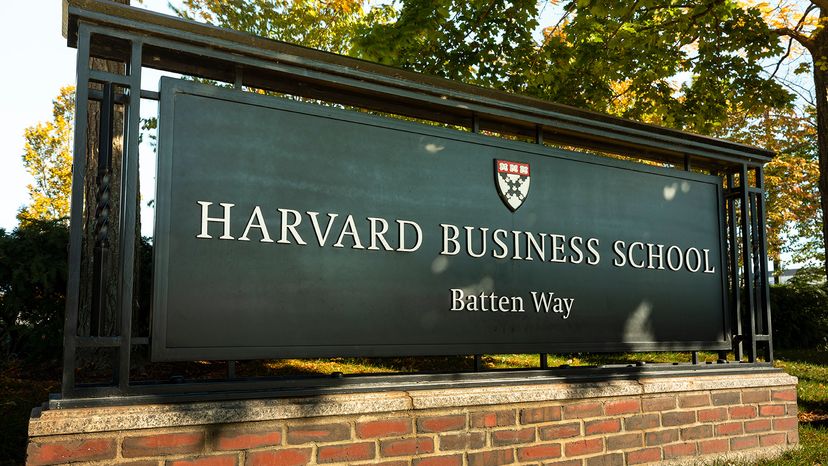
Harvard Business School
Harvard Law and Harvard Business School are some of the biggest names on the grad school scene. AevanStock / Shutterstock

Graduate education is a major strength of the Ivy League. Graduate students in these schools pursue advanced degrees in disciplines ranging from political science to biomedical engineering. Each university houses top-tier graduate schools and professional programs.

Harvard Law School, Yale Law School, the Perelman School of Medicine, and Harvard Business School are just a few examples of Ivy League programs that shape global leadership.

Advertisement

Yale Graduate School, Columbia's School of International and Public Affairs, and Cornell’s Graduate School offer advanced studies in disciplines ranging from international development to biomedical science.

Ivy League graduate schools are magnets for research funding, talented faculty, and top applicants. Many international students are drawn to the academic rigor and career opportunities these institutions provide. Ivy League education is often a stepping stone into elite careers and powerful alumni networks.

The term "Ivy League" also signals a certain level of academic excellence at the graduate level, where competition remains steep and prestige attracts top minds globally.

Advertisement

Academic Offerings and Prestige

The academic programs across Ivy League colleges vary widely, but all maintain high standards of academic excellence. Fields like social sciences, life sciences, international affairs, and the performing arts thrive in Ivy League settings.

Some institutions are especially strong in professional training — Penn with its Wharton School, Yale with its law and drama schools, and Columbia with its journalism and public policy programs.

Advertisement

Most Ivy League schools offer a wide range of undergraduate and graduate degrees through multiple departments and schools. They are known for blending a rigorous liberal arts education with access to professional and graduate-level instruction.

The presence of strong faculty, competitive research opportunities, and vibrant academic communities supports student growth across all disciplines.

Even undergraduate schools at these eight private colleges maintain professional ties. Undergraduate students often take courses in graduate schools or work on interdisciplinary projects that cross departmental lines.

These strong academic environments are also supported by significant endowments, which help fund financial aid and innovative programming.

We created this article in conjunction with AI technology, then made sure it was fact-checked and edited by a HowStuffWorks editor.

Advertisement

Advertisement

Loading...