All HBCUs Were Established Before 1964

By: Lena Thaywick  | 
graduates
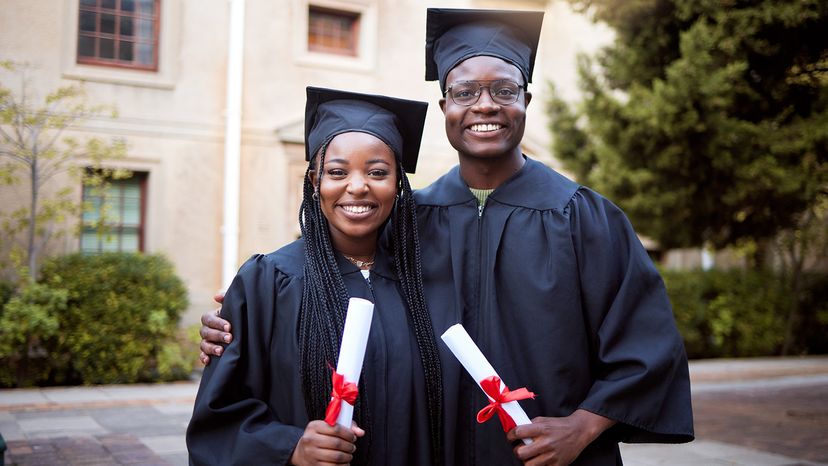
The U.S. Department of Education says these schools must be accredited by a nationally recognized accrediting agency and meet specific criteria under the Higher Education Act. PeopleImages.com - Yuri A / Shutterstock

What do Oprah Winfrey, Spike Lee and Martin Luther King Jr. have in common? All of them graduated from HBCUs, or historically Black colleges and universities. These institutions play a major role in U.S. higher education, especially for Black Americans.

There are more than 100 HBCUs across the United States, including in places like South Carolina, Arkansas and the Virgin Islands. Most were founded before the Higher Education Act of 1965, with a principal mission to educate Black students at a time when other schools shut them out.

Advertisement

What Is an HBCU?

An HBCU is a college or university that was established prior to 1964 and has a history of serving Black Americans. The U.S. Department of Education says these schools must be accredited by a nationally recognized accrediting agency and meet specific criteria under the Higher Education Act.

This definition includes institutions like Howard University, Spelman College, Tuskegee University, Lincoln University, and Fisk University.

Advertisement

But HBCUs aren't limited to private schools. Many are public universities, like Jackson State University, South Carolina State University, and North Carolina Central University.

A Diverse and Historic Network

Many historically Black colleges have unique histories and missions. Cheyney University is the oldest, founded in 1837 to educate African American youth. Wilberforce University, established in Ohio, is the oldest private HBCU.

Central State University, Kentucky State University, and Tennessee State University offer a wide range of programs. Virginia Union University, Harris-Stowe State University, and Wiley College each have deep roots in civil rights history and educational advancement.

Advertisement

HBCUs like Savannah State University, Delaware State University, and Virginia University of Lynchburg reflect the geographic spread and cultural diversity of the HBCU system. So do lesser-known schools like Charles R. Drew University of Medicine and Science, Simmons College of Kentucky, and the Institute for Colored Youth, which contributed to education for Black Americans in the 19th and early 20th centuries.

Other key institutions include West Virginia State University, a land-grant university with a rich legacy, and Southern University, the largest HBCU system in the U.S., with campuses across Louisiana.

Advertisement

HBCUs in Urban and Rural Communities

From large cities to rural towns, HBCUs serve as educational anchors. Lincoln University in Jefferson City, Missouri, and Clinton College in Rock Hill, South Carolina, contribute to their local communities. Bethune-Cookman University, Edward Waters University, and Florida Memorial University support urban populations in Florida.

In Alabama, Talladega College, Drake State Community and Technical College, and Shelton State Community College support local economies. Arkansas Baptist College in Little Rock is another example of an HBCU rooted in its community.

Advertisement

Even in U.S. territories like the University of the Virgin Islands (UVI), HBCUs provide vital access to education. And in the District of Columbia, Howard University is a cultural and academic pillar.

Educational and Cultural Impact

Not all HBCUs offer the same types of programs. Shelton State Community College and Shorter College focus on associate degrees and technical training. Spelman College, Morehouse College, and Clark Atlanta University deliver liberal arts programs with national reputations.

Institutions like Paul Quinn College, Dillard University, Morris Brown College, and Simmons College of Kentucky offer faith-based learning environments. Schools like Columbia University and Smith College may be more resourced, but HBCUs often provide a stronger sense of identity and support.

Advertisement

These undergraduate baccalaureate granting institutions produce graduates who make notable contributions in education, science and public policy. Their influence extends into politics, business, and beyond.

Rankings, Alumni and National Recognition

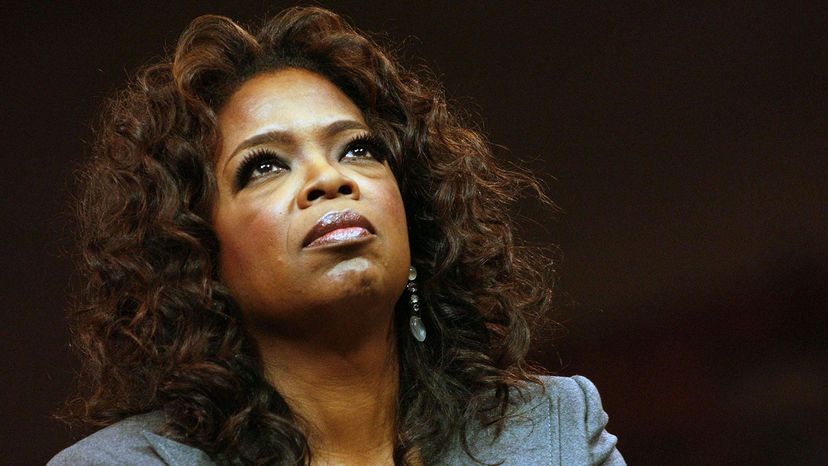
Oprah Winfrey
Oprah Winfrey is pretty much the most acclaimed alumni any educational institution could hope for. Everett Collection / Shutterstock

HBCUs frequently appear in colleges rankings from U.S. News & World Report and other outlets. Howard University, Hampton University, and Spelman College often score highly.

Prominent alumni include Martin Luther King Jr. from Morehouse College, Vice President Kamala Harris from Howard University, and Oprah Winfrey from Tennessee State University.

Advertisement

Other celebrated institutions include Bowie State University, one of the oldest HBCUs in Maryland, and Grambling State University, known for its strong athletics and arts programs.

Despite financial challenges, including a heavy reliance on student tuition, these schools deliver outsized returns. Their alumni networks rival those of better-funded institutions and reflect their historical importance in shaping Black American leadership.

Advertisement

Accreditation and Oversight

To receive federal support, each HBCU must be certified by such an agency as a nationally recognized accrediting agency. This ensures that they meet standards for educational quality and institutional performance.

The association determined by the Department of Education includes various regional accreditors. These agencies review institutions such as Langston University in Oklahoma, Knoxville College in Tennessee, and Paine College in Georgia.

Advertisement

This accreditation process is essential for schools to maintain access to federal aid and to validate their academic offerings.

We created this article in conjunction with AI technology, then made sure it was fact-checked and edited by a HowStuffWorks editor.

Advertisement

Advertisement

Loading...