10 Abortion-friendly States in a Post-Roe v. Wade Nation

By: Lena Thaywick  | 
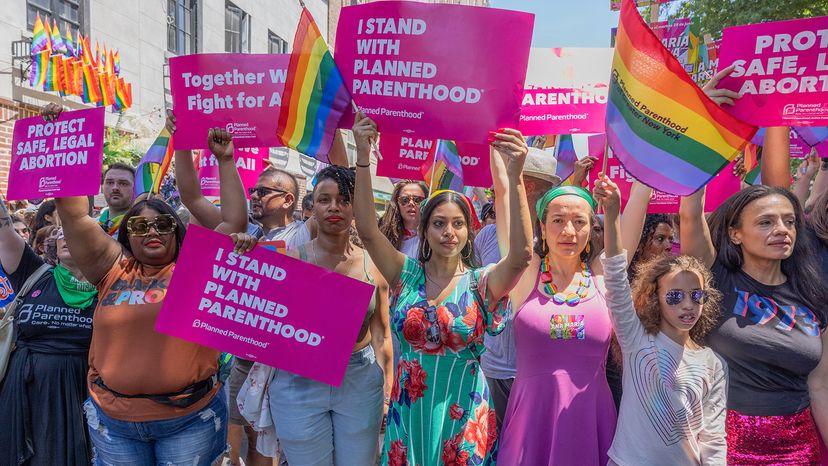
After the Supreme Court overturned Roe v. Wade, state abortion laws stand alone. Ben Von Klemperer / Shutterstock

Abortion-friendly states are where abortion access is protected by law after the Supreme Court overturned Roe.

Since the Supreme Court’s decision removed federal law protections, abortion laws now depend almost entirely on state law. Some states moved to ban abortion through trigger laws, while others acted quickly to enshrine abortion rights in statutes or state constitutions.

Advertisement

1. California

California is one of the strongest states for abortion access. Abortion is legal under state law, and the state constitution protects reproductive rights.

California codified abortion rights, funds abortion services through its state Medicaid program, and shields abortion providers and patients from lawsuits brought by private citizens in other states.

Advertisement

2. New York

New York protects abortion as a fundamental right.

The state passed the Reproductive Health Act, ensuring abortion is legal up to fetal viability and later in cases of medical emergency or serious pregnancy complications. State law also protects providers who perform abortions from out-of-state legal challenges.

Advertisement

3. Illinois

Illinois has become a regional safe haven for abortion access. The state repealed old abortion restrictions and enacted strong abortion protections, including coverage through private health insurance plans and Medicaid.

Illinois law explicitly protects abortion services from interference by other states.

Advertisement

4. Colorado

Colorado law protects abortion access without a gestational limit. The state codified the right to abortion in statute, ensuring legal abortion throughout pregnancy.

Colorado also passed laws protecting self managed abortion and shielding providers from civil lawsuits.

Advertisement

5. Oregon

Oregon offers some of the broadest abortion protections in the country.

Abortion is legal at all stages of pregnancy under state law, and public funding is available regardless of immigration status. The state has no parental consent requirement, strengthening access for people of reproductive age.

Advertisement

6. Washington

Washington protects abortion through both statute and voter action.

Voters rejected efforts to restrict abortion, and state law guarantees abortion access while protecting providers from being sued by out-of-state plaintiffs.

Advertisement

Medication abortion and procedural abortions are widely available.

7. New Jersey

The state enacted the Freedom of Reproductive Choice Act in January 2022, codifying New Jersey’s state constitutional right to abortion. State courts have consistently upheld these protections.

Advertisement

8. Vermont

Vermont embedded abortion rights directly into its constitution when voters approved a constitutional amendment guaranteeing reproductive autonomy, including abortion. This makes Vermont’s protections among the strongest and most durable in the nation.

Advertisement

9. Massachusetts

Massachusetts protects abortion access through statute and court rulings.

State law allows abortions up to fetal viability and permits abortions beyond viability only if the patient’s life or health is at risk or a grave fetal diagnosis is present.

Advertisement

The state also limits parental consent barriers and protects providers from civil liability.

10. New Mexico

New Mexico repealed its pre-Roe abortion ban.

The state removed criminal penalties for abortion and expanded abortion services statewide. While the state constitution does not explicitly protect abortion, current laws ensure legal access.

Honorable Mentions

States like Hawaii, Maine, and Maryland have passed laws to protect abortion access, even as legal uncertainty continues nationwide.

These states generally maintain legal protections despite ongoing legal challenges.

Why State Law Matters Now

After the Supreme Court overturned Roe, state abortion laws stand alone. Tracking abortion laws at the state level is now essential for understanding access to reproductive health care.

In some states, abortion is completely banned. In others, abortion is legal because legislatures, courts, or voters acted to protect it.

Even in abortion friendly states, access can depend on provider availability, geography, and funding. But states with clear legal protections offer the most stable access to abortion services as legal battles continue.

We created this article in conjunction with AI technology, then made sure it was fact-checked and edited by a HowStuffWorks editor.

Advertisement

Loading...