Tattooing is one of the oldest forms of body modification known to man. These days, getting a tattoo is a much safer and more standardized procedure then it once was. Modern tattoo artists use a tattoo machine (which is like a small, handheld sewing machine gun) to do the work.
The tattoo machine has remained relatively unchanged since its invention in the late 1800s. In fact, outside of improvements in safety and sterilization methods, there really haven't been any great leaps forward in tattoo technology. That is, of course, until the recent introduction of the animated tattoo.
Advertisement
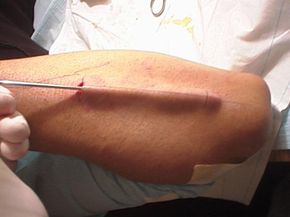
Animated tattoos are just what they sound like -- implanted images that actually move under the skin. HowStuffWorks got to examine this technology closely and talk to Jay Sean Singer and Carl A. Pinter, the people who created it.
In this article, we'll explain the hardware behind animated tattoos, learn how they are implanted in the body and discuss some of the safety issues associated with animated tattoos.
PSVI Tattoos
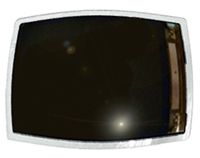
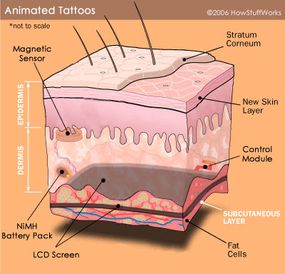
The technical name for an animated tattoo is Programmable Subcutaneous Visible Implant, or PSVI. The PSVI is a small, specially-made LCD implanted into the skin and used to display pre-programmed images. LCDs, or Liquid Crystal Displays, are used in a number of everyday things like TVs, computer monitors and digital watches. Jay Sean Singer, the man who brought PSVI to life, has altered this common technology so that it can be used to display simple, one-color, animated images from underneath the skin.
PSVI tattoos have two major advantages over traditional tattoos. The most obvious advantage is that they are animated, bringing body art to a whole new level. The second advantage is that while the implant surgery is fairly permanent, the images are not. Because PSVIs are programmable, a person with a PSVI tattoo can change the image whenever they like by simply having their tattoo "reprogrammed."
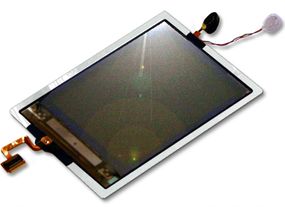
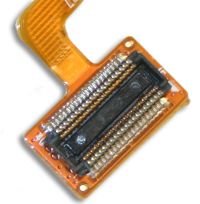
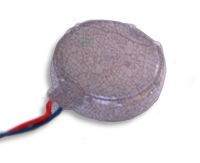
A PSVI has three major hardware components:
- The LCD
- The control module
- The power supply
Now let's look at each of these components closely and see how they work together to make animated tattoos.
Advertisement