The Safest Place During Martial Law Depends on Your Resources

By: Lena Thaywick  | 
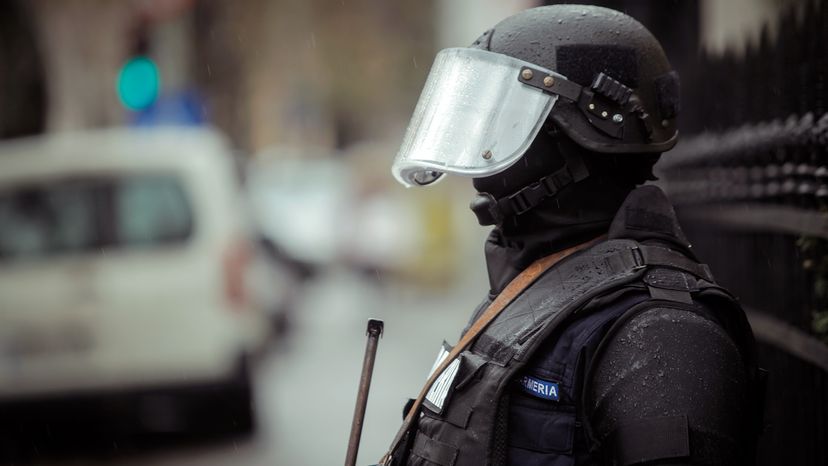
The time to figure out your plan is before martial law is declared, not after. Mircea Moira / Shutterstock

If you are wondering about the safest place during martial law, you are probably thinking about emergency scenarios like widespread civil unrest, war or natural disasters.

Martial law usually refers to an emergency in which the military takes the place of civilian government and exercises jurisdiction over civilians in a particular area, but the term has no established legal definition.

Advertisement

Martial law has been declared more than 60 times in U.S. history—mostly by state and local officials—and declarations have varied widely in scope and duration. Still, understanding where to go and how to stay safe during such a time starts with preparation, awareness, and calm decision-making.

1. Your Own Home (If You Can Stay Low Key)

For some citizens, the safest place during martial law may be their own home, provided it remains structurally safe and consistent with official instructions.

Staying indoors reduces exposure to restricted movement zones, checkpoints, and potential confrontations with military personnel or federal troops.

Advertisement

In an urban environment, the key difference between safety and risk often comes down to visibility. Avoid drawing attention. The concept of "stay gray" means blending in, not attracting attention from authorities or unstable groups.

Inventory supplies early. Keep bottled water, emergency supplies, multi-tools, and a go bag ready in case evacuation becomes necessary.

Advertisement

2. With Trusted Family Members in a Stable Area

If your immediate area faces intense civil unrest, relocating to a stable neighborhood or rural setting with trusted family members may reduce risk. Smaller communities often experience fewer flashpoints than dense city centers.

However, travel should happen before restricted movement orders begin. Once martial law is declared and military force is used to restore order, checkpoints and curfews may limit mobility.

Advertisement

Reliable sources such as official state governor announcements or public safety alerts help guide timing.

3. Areas With Active Civilian Law Enforcement Support

Even when the federal government deploys federal troops under the Insurrection Act, civilian law enforcement often continues operating alongside the National Guard. Areas where civilian authorities and military personnel coordinate smoothly tend to maintain civil order more effectively.

Public buildings used as emergency coordination centers may offer clearer communication and faster access to aid. Martial law is generally treated as a temporary measure limited by necessity, not an indefinite replacement of civilian rule.

Advertisement

Historical declarations of martial law have ranged from days to years; after Pearl Harbor, martial law remained in effect from December 7, 1941 to October 24, 1944.

4. Locations With Access to Basic Life Skills and Supplies

Surviving martial law requires practical preparation. The right supplies and basic life skills matter more than location alone.

Focus on:

Advertisement

  • Stocking food and bottled water
  • Securing emergency medical kits
  • Charging devices and backup power
  • Maintaining communication plans, possibly including a burner phone

In a period of martial law, supply chains can slow. Having enough provisions for a few weeks reduces stress and limits exposure to public gathering points.

Advertisement

5. Anywhere That Respects Civil Rights and Clear Legal Structure

Martial law usually refers to military authority replacing civilian government and exercising jurisdiction over civilians in a particular area, but the U.S. Constitution and valid federal and state law still apply. The Supreme Court has historically ruled that civilian courts should function when possible.

Habeas corpus—the legal protection against unlawful detention—has been suspended only rarely, and the Constitution permits suspension only in cases of rebellion or invasion when public safety may require it.

Advertisement

Organizations such as the Brennan Center track civil liberties issues and provide context about federal law, the Posse Comitatus Act and the limits of military authority. The government feels pressure to balance public safety with human rights, even during emergencies.

Gun owners, activists, and others should remain especially mindful of potential restrictions. Staying calm and informed reduces the chance of misunderstandings with armed forces or military commander directives.

Martial law is an extraordinary measure used to restore order during severe crises. For most people, the safest approach centers on preparation, low visibility, and cooperation with lawful authorities.

Focus on protecting family members, maintaining order at home, and monitoring reliable sources for updates.

We created this article in conjunction with AI technology, then made sure it was fact-checked and edited by a HowStuffWorks editor.

Advertisement

Advertisement

Loading...