
Public Figure Protection from Paparazzi
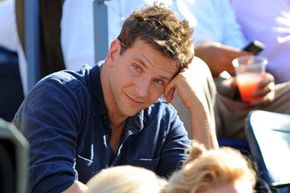
Former Us Weekly editor-in-chief, Janice Min, says, "A celebrity is like an elected official. If you're getting paid $20 million a movie, you have to rely on public goodwill to stay in office. You have to accept the fact that you're a public commodity." Legally speaking, Min was correct, since celebrities, public officials and private citizens involved in newsworthy incidents all constitute public figures. Public figures actually have far fewer rights to privacy than ordinary people, and when suing for defamation they must prove that the defendant acted with actual malice. Public figures, however, aren’t created equally and break down into two types:
- All-purpose public figure: A person who achieves such pervasive fame or notoriety that he or she becomes a public figure for all purposes and in all contexts. Whether or not the person actively seeks attention, having great persuasive power and influence automatically deems him or her an all-purpose public figure. Example: A company executive such as former Walt Disney Company CEO Michael Eisner, a professional athlete like Venus Williams, or a celebrity like Bradley Cooper falls into this category.
- Limited-purpose public figure: A person who, having become involved in a particular public issue, has achieved fame or notoriety only in relation to that particular issue. This person's public figure status, along with that heavier burden of proof for defamation, is restricted to the context of whatever issue or controversy initially launched them into the limelight. Example: People involved in controversies, such as the parents of Casey Anthony, fall into this category.
These exclusions of the law give the paparazzi their rights. That is not to say that paparazzi don't sometimes break laws in pursuit of a shot. But as long as there's a high demand for what they do, breaking the law becomes an acceptable risk, as in the case of Ron Galella, who blatantly violated his restraining order to photograph Jackie O. on numerous occasions.
Advertisement