Artificial bovine growth hormone -- rBGH. Partially hydrogenated. Monosaturated fat. Low fat. Reduced fat. As if label deciphering wasn't already difficult, we're now facing down labels claiming a variety of organic messages, many with happy, smiling cartoon cows.
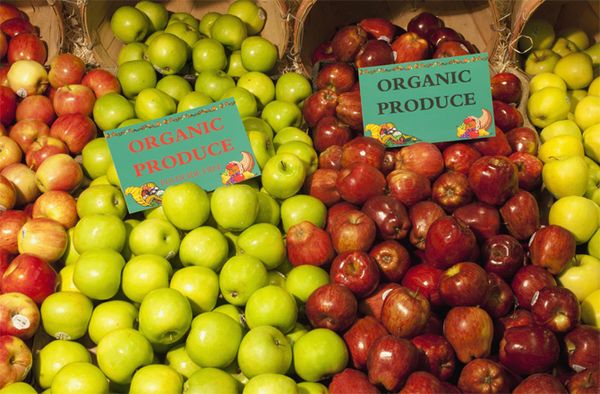
The organic food trend that began making headlines in 2000 now appears to be a mainstream lifestyle for some -- which translates into big business. So where do organic foods and fibers come from, and what makes them organic?
Advertisement
Organic farming is based on holistic, ecologically balanced agricultural principles involving soil fertility, crop rotation and natural pest control. It may sound like an elusive concept, but the basis for organic farming is actually very simple: Allow nature to do what nature does best.
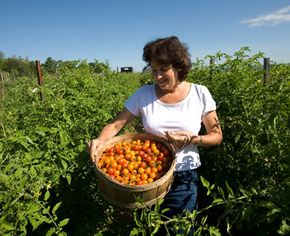
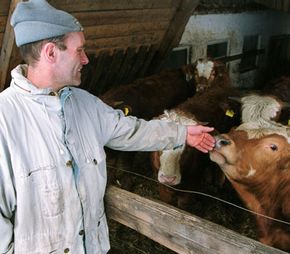
Many everyday products can be produced on organic farms, including vegetables, grains, meat, dairy, eggs and fibers such as cotton. What makes these things organic is how close to their natural state they stay. When growing organic goods, farmers do not use synthetic pesticides or fertilizers on crops, and they reject the use of synthetic hormones, antibiotics or other medications in their livestock. Animals are provided with organic feed and allowed access to the outdoors.
When the Organic Farming Research Foundation (OFRF) began its tracking program in 1994, there were approximately 2,500 to 3,000 certified organic farmers in the United States. In 2005, all 50 states had some certified organic farmland. Today there are more than 10,000 certified organic farmers who produce 2 percent of the U.S. food supply.
In this article, we will explore various organic farming methods, as well as genetically modified food. We'll also find out why some people criticize the organic movement.
Advertisement