
The Bounty Hunt
Criminals don't run from the law with the aim of getting caught. Because they don't hide in plain sight, bounty hunters have to be resourceful. They must research their subjects thoroughly before making any moves. Usually they start by searching through databases of addresses, phone numbers, license plate numbers and Social Security numbers to find the fugitive's last whereabouts.
Once they hit the streets, bounty hunters stake out the fugitive's address or frequent haunts. They may search through the person's mail, trace telephone calls or talk to people in the area who might have seen him or her. Some bounty hunters use spy gadgets like exit-sign video cameras and night vision goggles to track down skips.
Advertisement
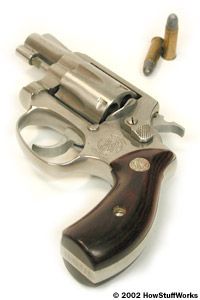
Many bounty hunters carry guns, mace or other weapons. But by far the most valuable weapon a bounty hunter can possess is the element of surprise. Often, that means showing up at a fugitive's door in the middle of the night or posing as a UPS delivery person or meter reader to gain access to the person's residence.
Pursuing criminals can be a dangerous business, and the threat always hangs heavy in the mind of a bounty hunter. "It's very difficult for a wife to say to her husband when he's walking out the door at midnight with a shotgun, 'Have a nice day at the office.' There's the worry factor," says Burton.
But violence doesn't usually play into the equation -- first, because the most violent criminals don't get out on bail; and second, because most don't put up a fight. Less than 3 to 4 percent of the people Burton goes after resist arrest, and most of them do nothing more than try to run or squirm away.
Unless their life is in jeopardy, true bounty hunters will never kill a fugitive. The reason is part integrity and part finances -- they need to "bring 'em back alive" to earn their share of the bail money. Bounty hunters can't even "rough up" fugitives. Jails won't accept them with broken bones or large bruises because of the legal liability.